
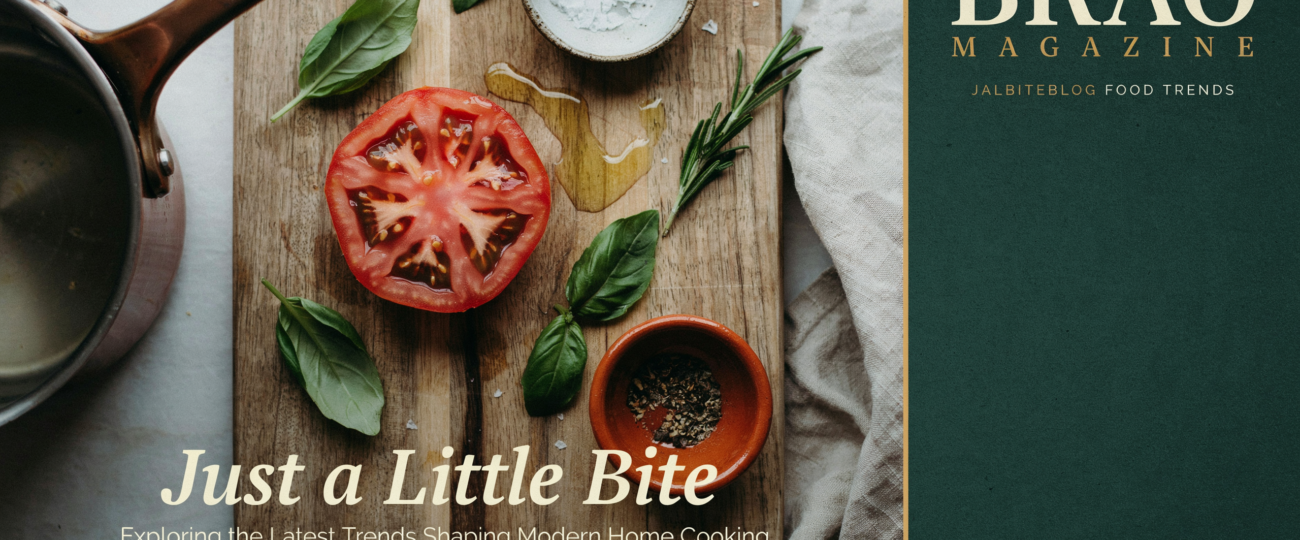

Food trends come and go, but every so often, a platform captures the spirit of how people actually cook, eat, and share meals. That’s where Jalbiteblog Food Trends Justalittlebite enters the conversation. Rather than focusing solely on viral recipes or restaurant-worthy presentation, the topic reflects a broader shift toward practical cooking, ingredient awareness, and approachable creativity.
Whether you’re searching for healthier meal ideas, curious about emerging culinary movements, or simply wondering why Jalbiteblog Food Trends Justalittlebite has attracted attention, there’s more to the story than a collection of recipes. It represents how digital food communities influence everyday eating habits through relatable content, seasonal inspiration, and simple techniques that fit modern lifestyles.
Across social media, food blogs, and online recipe platforms, people increasingly seek meals that balance flavor, nutrition, affordability, and convenience. Trends now spread faster than ever, yet the most successful ideas tend to be those that readers can realistically recreate in their own kitchens. That’s one reason discussions surrounding Jalbiteblog Food Trends Justalittlebite continue to grow—they reflect real cooking habits rather than unattainable perfection.
In this article, we’ll explore what Jalbiteblog Food Trends Justalittlebite is, why it has become relevant, the major food movements associated with it, and what these trends reveal about the future of home cooking.
What Is Jalbiteblog Food Trends Justalittlebite?
At its core, Jalbiteblog Food Trends Justalittlebite refers to discussions surrounding contemporary food culture presented through approachable recipes, seasonal inspiration, mindful eating, and creative meal ideas. Rather than representing a single culinary movement, the phrase encompasses a collection of food-related topics that reflect how everyday consumers are changing their relationship with cooking.
Unlike traditional recipe websites that simply provide ingredient lists and cooking instructions, this type of content typically focuses on helping readers understand why certain foods become popular, how ingredients can be adapted for different diets, and which culinary techniques make cooking both enjoyable and accessible.
The appeal lies in combining practical advice with inspiration. Readers aren’t just looking for another pasta recipe—they’re looking for ways to cook smarter, waste less, and experiment confidently.
Several themes commonly appear in discussions around these food trends:
- Seasonal ingredients
- Plant-forward recipes
- Healthy comfort food
- International flavor inspiration
- Sustainable cooking
- Budget-conscious meal planning
- Small-batch recipes
- Creative leftovers
- Easy family meals
- Social-media-inspired dishes adapted for everyday kitchens
This balanced approach resonates with readers who want meals that are realistic rather than overly complicated.
Why the Topic Has Gained Attention
Food content has evolved dramatically over the past decade. Instead of relying exclusively on celebrity chefs or television cooking shows, people now discover recipes through blogs, social platforms, online communities, and digital magazines.
Several cultural shifts have contributed to the popularity of topics like Jalbiteblog Food Trends Justalittlebite.
People Cook at Home More Frequently
Many households have rediscovered home cooking for reasons that include:
- Saving money
- Health awareness
- Dietary restrictions
- Family bonding
- Convenience
- Better ingredient control
As cooking becomes part of everyday life rather than a special occasion, readers seek recipes that are practical without sacrificing flavor.
Food Has Become a Lifestyle Topic
Modern audiences don’t view food solely as nutrition.
Food now intersects with:
- Wellness
- Sustainability
- Travel
- Culture
- Creativity
- Photography
- Social sharing
Blogs discussing food trends often connect recipes with broader lifestyle choices, making the content more engaging than traditional cookbooks.
Readers Want Context, Not Just Recipes
One noticeable shift in food publishing is the growing demand for educational content.
Instead of asking:
“How do I cook this?”
Readers increasingly ask:
- Why is this ingredient popular?
- Is this trend healthy?
- Can I substitute ingredients?
- Is it budget-friendly?
- Does it work for meal prep?
Answering these questions builds trust while helping readers make informed decisions.
The Evolution of Modern Food Blogging
Food blogging has changed significantly over the last two decades.
| Era | Primary Focus | Reader Expectations |
|---|---|---|
| Early Food Blogs | Personal recipes | Family cooking stories |
| Social Media Boom | Viral visuals | Quick recipes and attractive presentation |
| Healthy Eating Movement | Nutrition | Balanced meals and ingredient transparency |
| Current Trends | Lifestyle integration | Sustainability, flexibility, authenticity, and practical advice |
Today’s readers appreciate authenticity more than perfection. Slightly imperfect homemade dishes often generate more engagement than highly polished restaurant-style meals because they feel attainable.
Core Themes Behind Jalbiteblog Food Trends Justalittlebite
Although food trends constantly evolve, several recurring themes define this style of content.
1. Seasonal Cooking
Seasonal cooking remains one of the strongest food movements.
Using ingredients at their natural peak often offers several advantages:
- Better flavor
- Improved freshness
- Lower cost
- Local sourcing opportunities
- Reduced environmental impact
For example:
Spring:
- Asparagus
- Peas
- Strawberries
Summer:
- Tomatoes
- Corn
- Zucchini
- Berries
Autumn:
- Pumpkin
- Apples
- Squash
- Mushrooms
Winter:
- Root vegetables
- Citrus fruits
- Cabbage
Seasonal recipes naturally evolve throughout the year, encouraging variety while supporting local agriculture.
2. Plant-Forward Eating
One common misconception is that plant-forward eating means becoming vegetarian.
In reality, it simply emphasizes:
- More vegetables
- Whole grains
- Legumes
- Nuts
- Seeds
while still allowing moderate amounts of meat or seafood if desired.
Examples include:
- Chickpea grain bowls
- Lentil soups
- Roasted vegetable pasta
- Quinoa salads
- Mushroom tacos
This approach appeals to readers looking for balanced meals without strict dietary rules.
3. Comfort Food with Healthier Twists
Classic comfort foods remain popular, but recipes increasingly include lighter ingredients.
Examples include:
Traditional Mac and Cheese → Whole wheat pasta with cauliflower sauce
Mashed Potatoes → Mashed cauliflower blend
Fried Chicken → Air-fried chicken
Cream-Based Soups → Greek yogurt alternatives
Pizza → Vegetable-based crusts
These adaptations allow readers to enjoy familiar flavors while improving nutritional balance.
4. Global Flavors at Home
One of the most exciting developments in modern food culture is the growing interest in international cuisines.
Home cooks are becoming more adventurous by incorporating ingredients and cooking techniques from around the world.
Popular inspirations include:
- Korean cuisine
- Mediterranean dishes
- Japanese flavors
- Mexican street food
- Thai curries
- Middle Eastern spices
- Indian-inspired vegetarian meals
- Vietnamese herbs
Importantly, thoughtful food blogs encourage respectful appreciation of culinary traditions rather than oversimplifying or misrepresenting them.
5. Small-Batch Cooking
Large family recipes no longer fit every household.
Many readers cook for:
- One person
- Couples
- Small families
Small-batch recipes reduce waste while making meal preparation more manageable.
Common examples include:
- Two-serving desserts
- Mini casseroles
- Single-pan dinners
- Individual breakfast recipes
This trend reflects changing household sizes and busier schedules.
6. Sustainable Kitchen Habits
Sustainability has moved from a niche interest to a mainstream consideration in home cooking.
Rather than requiring dramatic lifestyle changes, practical food content often encourages small, achievable habits such as:
- Planning meals before grocery shopping
- Using leftovers creatively
- Freezing excess ingredients
- Choosing seasonal produce
- Reducing food waste
- Repurposing vegetable scraps for homemade stock
- Storing fresh ingredients correctly to extend shelf life
These habits not only support environmental goals but can also help households reduce grocery expenses over time.
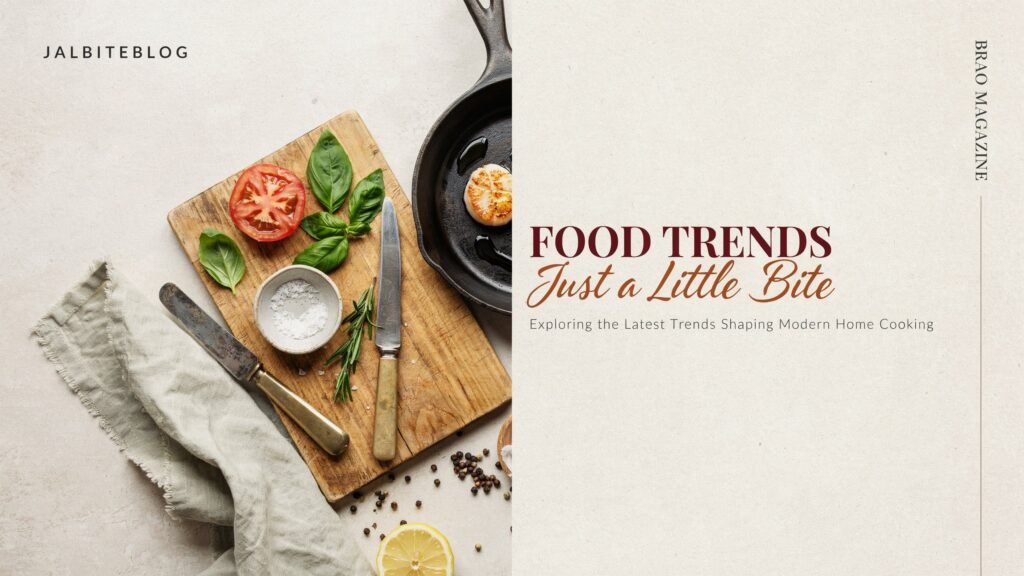
How Digital Communities Influence Food Trends
Food trends no longer emerge solely from professional kitchens or culinary schools. Today, online communities play a major role in shaping what people cook at home.
Recipe creators, food bloggers, home cooks, and nutrition enthusiasts often inspire one another by sharing practical ideas that readers can adapt to their own kitchens. A simple recipe shared by one creator may quickly evolve as others add regional ingredients, dietary substitutions, or personal techniques.
This collaborative environment has changed the way recipes spread. Instead of following rigid instructions, many home cooks now see recipes as starting points rather than fixed formulas. That flexibility encourages creativity while making cooking feel more accessible to beginners.
Comparison: Traditional Food Blogs vs. Modern Food Trend Platforms
| Feature | Traditional Food Blogs | Jalbiteblog Food Trends Justalittlebite Style |
|---|---|---|
| Primary Focus | Individual recipes | Broader food trends, recipes, and lifestyle |
| Content Style | Step-by-step instructions | Recipes combined with education and inspiration |
| Ingredient Choices | Familiar pantry staples | Seasonal, global, and health-conscious ingredients |
| Reader Engagement | Recipe comments | Interactive discussions, tips, and trend analysis |
| Cooking Philosophy | Follow the recipe exactly | Encourage adaptation and creativity |
| Lifestyle Integration | Limited | Strong emphasis on wellness, sustainability, and everyday practicality |
This evolution reflects a growing desire among readers to understand the story behind the food they prepare, not just the recipe itself.
Key Features That Define Jalbiteblog Food Trends Justalittlebite
The growing interest in Jalbiteblog Food Trends Justalittlebite isn’t driven by a single recipe or viral cooking hack. Instead, it’s the combination of practical ideas, approachable recipes, and evolving food culture that keeps readers coming back.
Several characteristics consistently stand out.
1. Easy-to-Follow Recipes
Many readers aren’t professional chefs. They want meals they can prepare after work, during busy weekdays, or with ingredients already sitting in the pantry.
Recipes inspired by this style generally emphasize:
- Simple cooking methods
- Everyday ingredients
- Flexible substitutions
- Clear instructions
- Minimal kitchen equipment
That accessibility makes the content appealing to beginners while still offering enough creativity for experienced home cooks.
2. Ingredient Flexibility
Modern cooking isn’t one-size-fits-all.
Readers often need recipes that accommodate:
- Vegetarian diets
- Vegan lifestyles
- Gluten-free eating
- Dairy-free alternatives
- Low-carb preferences
- Budget limitations
Instead of insisting on exact ingredients, many recipes encourage thoughtful substitutions. If a recipe calls for spinach, kale or Swiss chard may work just as well. If Greek yogurt isn’t available, another creamy dairy or plant-based alternative might provide similar results.
This flexibility reduces frustration and encourages experimentation.
3. Seasonal Inspiration
One noticeable feature is the emphasis on seasonal ingredients. Rather than relying on the same recipes throughout the year, content evolves with the changing seasons.
For example:
| Season | Popular Ingredients | Typical Recipes |
|---|---|---|
| Spring | Peas, asparagus, herbs | Fresh salads, pasta dishes |
| Summer | Tomatoes, berries, zucchini | Grilled meals, chilled soups |
| Autumn | Pumpkin, squash, apples | Roasted vegetables, soups |
| Winter | Root vegetables, cabbage, citrus | Stews, casseroles, hearty bowls |
Seasonal cooking often results in fresher flavors and better value, especially when produce is widely available.
4. Visual Storytelling
Food has always been visual, but digital platforms have amplified its importance.
High-quality food photography helps readers:
- Understand the finished dish
- Learn plating ideas
- Gauge texture and consistency
- Stay motivated to cook
However, the strongest food content avoids unrealistic perfection. Natural lighting, genuine kitchen settings, and authentic presentation often resonate more than heavily edited images.
Why Readers Connect With These Food Trends
Popularity alone doesn’t explain why certain food blogs gain loyal audiences. Readers return because the content addresses real-life needs.
Encourages Healthier Everyday Eating
Healthy eating doesn’t always require complicated meal plans or expensive ingredients.
Many recipes inspired by these trends focus on:
- Whole foods
- Lean proteins
- Fresh vegetables
- Whole grains
- Healthy fats
- Balanced portions
Instead of promoting restrictive diets, they encourage sustainable habits that can fit into everyday life.
Makes Cooking Less Intimidating
Many people hesitate to cook because they fear making mistakes.
Content that explains techniques, offers ingredient swaps, and normalizes imperfect results creates a more welcoming learning environment.
For example:
Instead of saying,
“You must use this exact ingredient.”
A practical recipe might explain:
“If fresh basil isn’t available, parsley can provide a different but equally enjoyable flavor.”
This approach builds confidence over time.
Supports Budget-Friendly Meal Planning
Food costs continue to influence household decisions worldwide.
Practical food blogs often include ideas such as:
- Batch cooking
- Freezer-friendly meals
- Pantry recipes
- Affordable protein alternatives
- Creative leftovers
Small adjustments can stretch grocery budgets without sacrificing variety.
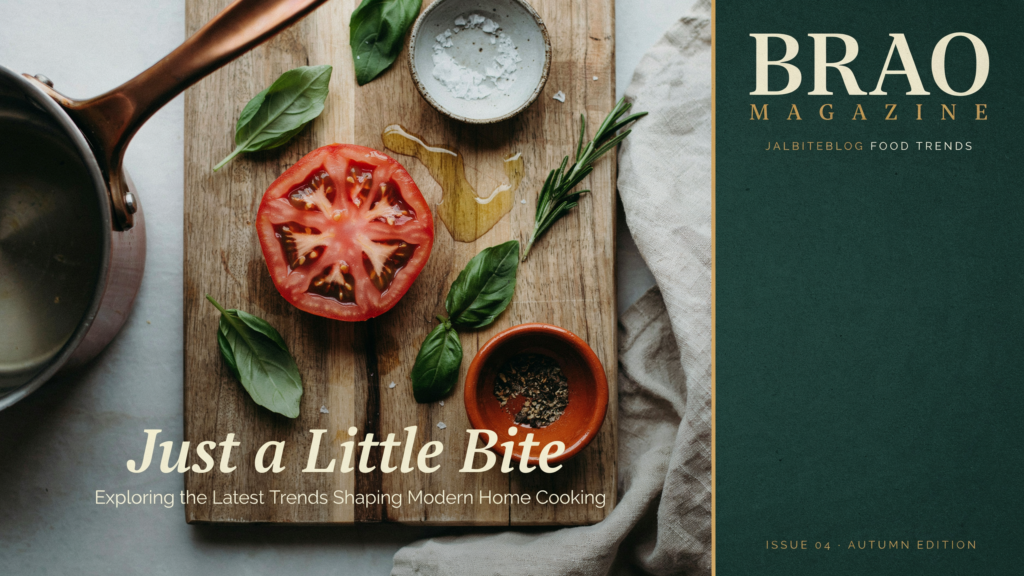
Encourages Culinary Creativity
One of the most enjoyable aspects of cooking is making recipes your own.
Readers are encouraged to:
- Adjust spice levels
- Mix international flavors
- Add seasonal produce
- Experiment with herbs
- Create personalized serving ideas
Cooking becomes less about copying and more about creating.
Advantages and Potential Limitations
Every food trend has strengths and weaknesses. Understanding both helps readers make informed choices.
| Advantages | Potential Limitations |
|---|---|
| Easy recipes | Some trends fade quickly |
| Seasonal inspiration | Seasonal ingredients may not be available everywhere |
| Flexible cooking | Ingredient substitutions may slightly change results |
| Health-conscious ideas | Nutritional needs differ between individuals |
| Budget-friendly options | Specialty ingredients can occasionally be expensive |
| Encourages creativity | Viral recipes sometimes prioritize appearance over practicality |
The most valuable content balances inspiration with realistic expectations.
Real-World Examples of Current Food Trends
Many concepts associated with Jalbiteblog Food Trends Justalittlebite reflect broader shifts in home cooking.
Grain Bowls
Simple grain bowls combine:
- Brown rice
- Quinoa
- Roasted vegetables
- Beans
- Chicken or tofu
- Homemade dressing
They’re adaptable, nutritious, and ideal for meal prep.
One-Pan Meals
Busy households appreciate recipes requiring minimal cleanup.
Popular examples include:
- Sheet-pan vegetables
- Roasted salmon
- Chicken and potatoes
- Baked pasta
- Mixed vegetable trays
These recipes reduce both cooking time and dishwashing.
Homemade Sauces
Rather than purchasing processed sauces, many home cooks prepare quick alternatives.
Examples include:
- Lemon herb dressing
- Yogurt garlic sauce
- Homemade pesto
- Tahini dressing
- Fresh salsa
Fresh sauces often enhance meals while allowing greater control over ingredients.
Elevated Comfort Food
Instead of replacing favorite dishes entirely, many recipes modernize them.
Examples include:
| Traditional Recipe | Modern Variation |
|---|---|
| Chicken Alfredo | Lighter yogurt-based sauce |
| French Fries | Oven-roasted sweet potatoes |
| Burger | Turkey or bean burger |
| Ice Cream | Frozen yogurt bowls |
| Fried Rice | Brown rice vegetable version |
These adaptations aim to preserve familiar flavors while incorporating more nutrient-dense ingredients.
Industry Perspective: Why Food Trends Change So Quickly
Food trends are influenced by a mix of cultural, economic, and technological factors.
Social Media Influence
Short-form videos and visually appealing recipes can introduce a dish to millions of viewers within days.
However, not every viral recipe has lasting appeal. Many gain attention because they look impressive rather than because they’re practical or delicious.
Long-term trends tend to emphasize usability, affordability, and adaptability.
Consumer Interest in Wellness
Modern consumers increasingly read ingredient labels and think about:
- Added sugars
- Protein content
- Fiber intake
- Whole foods
- Portion sizes
As a result, food creators often develop recipes that balance taste with nutrition instead of focusing on one at the expense of the other.
Sustainability Awareness
Environmental concerns have encouraged more people to consider how food is grown, purchased, and used.
Common practices include:
- Buying local produce when possible
- Reducing single-use packaging
- Composting food scraps
- Using leftover ingredients creatively
- Planning meals to reduce waste
These habits reflect a broader movement toward mindful consumption rather than perfection.
Best Practices for Following Food Trends
Not every trend deserves a permanent place in your kitchen. A thoughtful approach helps you enjoy new ideas without feeling overwhelmed.
Prioritize Taste Over Popularity
A recipe doesn’t have to be viral to be worthwhile.
Choose dishes that suit your preferences and household rather than following trends simply because they’re widely shared.
Adapt Recipes to Your Lifestyle
Busy weekdays may call for quick meals, while weekends allow more elaborate cooking.
Build a collection of recipes that match your schedule and cooking confidence.
Focus on Balanced Nutrition
Rather than labeling foods as “good” or “bad,” aim for variety.
A balanced meal often includes:
- Vegetables
- Protein
- Whole grains or other carbohydrates
- Healthy fats
Flexibility makes healthy eating easier to sustain.
Experiment Gradually
Trying one new ingredient or technique at a time is often more enjoyable than completely changing your cooking habits overnight.
Small changes tend to be easier to maintain.
Common Mistakes People Make
Chasing Every Viral Recipe
Not every trend will suit your tastes or cooking style.
Choose recipes that genuinely interest you instead of feeling obligated to try everything.
Buying Ingredients Without a Plan
Purchasing unfamiliar ingredients can lead to unnecessary waste if they aren’t used again.
Before shopping, think about how an ingredient can fit into multiple meals.
Ignoring Personal Preferences
Healthy eating should still be enjoyable.
Recipes are more likely to become lasting favorites when they reflect your own tastes and cultural traditions.
Expecting Restaurant Results Immediately
Professional kitchens use specialized equipment, extensive training, and large teams.
Home cooking should prioritize enjoyment and learning rather than perfection.
Looking Ahead: The Future of Food Trends
Food trends will continue to evolve, but several long-term directions appear likely to remain influential.
Experts expect continued growth in:
- Seasonal home cooking
- Plant-forward meals
- Fermented foods
- Functional ingredients
- High-protein recipes
- Sustainable sourcing
- International flavor exploration
- AI-assisted meal planning
- Personalized nutrition
- Reduced food waste
At the same time, authenticity is becoming increasingly important. Readers are gravitating toward creators who share honest experiences, practical recipes, and balanced perspectives rather than chasing every fleeting internet sensation.
The future of Jalbiteblog Food Trends Justalittlebite is likely to center on helping people cook with confidence, make informed food choices, and enjoy the process of preparing meals that fit their own lives—not simply what’s trending online.
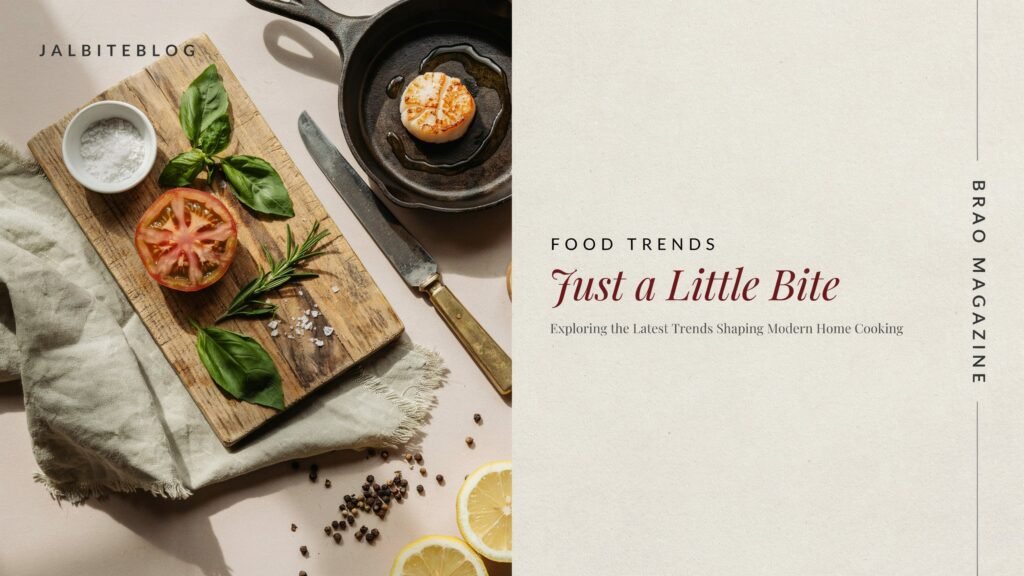
Frequently Asked Questions (FAQs)
1. What does “Jalbiteblog Food Trends Justalittlebite” refer to?
Jalbiteblog Food Trends Justalittlebite is generally associated with discussions about modern food culture, approachable recipes, seasonal cooking, healthy eating habits, and emerging culinary trends. Rather than focusing on a single recipe or cuisine, it reflects a broader interest in practical cooking, ingredient awareness, and creative meal ideas that fit everyday lifestyles.
2. Why has Jalbiteblog Food Trends Justalittlebite become popular?
Its popularity stems from the growing demand for food content that goes beyond simple recipes. Readers increasingly look for practical guidance on meal planning, nutrition, ingredient substitutions, sustainability, and cooking techniques they can realistically use at home. This blend of inspiration and education makes the topic appealing to a wide audience.
3. What kinds of recipes are commonly associated with these food trends?
Content inspired by these trends often includes:
- Seasonal recipes
- Plant-forward meals
- High-protein dishes
- One-pan dinners
- Quick weeknight meals
- Homemade sauces and dressings
- Healthy comfort food
- Budget-friendly recipes
- Meal-prep ideas
- International cuisine with simple ingredients
The emphasis is usually on flexibility and practicality rather than overly complex cooking.
4. Are these food trends suitable for beginners?
Yes. Many recipes and cooking tips are designed with beginner home cooks in mind. Clear instructions, accessible ingredients, and substitution suggestions help readers build confidence in the kitchen while learning new techniques at their own pace.
5. Does following food trends mean buying expensive ingredients?
Not necessarily. While some trends introduce specialty products, many focus on making the most of affordable pantry staples, seasonal produce, and versatile ingredients. Budget-conscious meal planning and reducing food waste are often recurring themes.
6. Are plant-forward meals the same as vegetarian meals?
No. Plant-forward cooking emphasizes increasing the proportion of vegetables, legumes, grains, nuts, and seeds in meals without requiring people to eliminate meat or seafood entirely. It offers flexibility rather than strict dietary rules.
7. How can I keep up with changing food trends without feeling overwhelmed?
Instead of trying every viral recipe, focus on trends that match your cooking style, dietary preferences, and schedule. Experiment gradually, incorporate one or two new ideas at a time, and prioritize recipes you’ll realistically prepare more than once.
8. What role does sustainability play in modern food trends?
Sustainability has become an important consideration for many home cooks. Practical habits such as meal planning, buying seasonal produce, minimizing food waste, reusing leftovers, and storing ingredients properly can support more environmentally conscious cooking without requiring major lifestyle changes.
9. Will current food trends continue to evolve?
Absolutely. Food trends are influenced by cultural exchange, technology, consumer preferences, health research, and economic factors. While individual recipes may come and go, broader movements—such as seasonal cooking, global flavors, and mindful eating—are likely to remain influential.
Final Thoughts
The growing interest in Jalbiteblog Food Trends Justalittlebite reflects more than a passing fascination with recipes—it highlights a meaningful shift in how people approach food. Home cooks today want meals that are flavorful, adaptable, nutritious, and achievable. They also value understanding the stories behind ingredients, learning practical cooking skills, and making informed choices that fit their lifestyles.
What sets these trends apart is their emphasis on balance. Rather than encouraging perfection or chasing every viral recipe, they promote thoughtful cooking, creative experimentation, and sustainable habits that readers can maintain over time. Whether it’s embracing seasonal produce, exploring international flavors, or finding healthier versions of favorite comfort foods, the focus remains on making everyday cooking both enjoyable and accessible.
As food culture continues to evolve, the most valuable trends will likely be those that solve real problems—saving time, reducing waste, supporting healthier habits, and helping people cook with confidence. Jalbiteblog Food Trends Justalittlebite captures this evolving mindset by encouraging readers to see cooking not just as a daily task, but as an opportunity to explore, connect, and create.
If you’re looking to refresh your meals, broaden your culinary skills, or stay informed about modern food movements, following these trends can provide practical inspiration while helping you develop a more flexible and enjoyable approach to home cooking.