Category: Tech

  • Wearables FeedWorldTech: Exploring the Future of Connected Wearable Technology

    Wearables FeedWorldTech: Exploring the Future of Connected Wearable Technology

    Wearable technology has quietly shifted from being a niche category for fitness enthusiasts to becoming one of the fastest-evolving areas of consumer technology. Smartwatches now monitor heart rhythms, fitness bands analyze sleep quality, and smart glasses are beginning to redefine how people interact with digital information. As innovation accelerates, platforms and technology-focused communities have become essential for tracking developments, comparing products, and understanding emerging trends.

    Among the names appearing in discussions about wearable technology is Wearables FeedWorldTech. Whether someone encounters the term while searching for the latest wearable devices, industry insights, or technology updates, the growing interest reflects a broader movement toward connected, intelligent, and data-driven lifestyles.

    This article examines what Wearables FeedWorldTech represents, how wearable technology has evolved, the technologies driving the industry, and why wearable devices are becoming increasingly important in healthcare, fitness, productivity, and everyday life. Rather than focusing only on individual gadgets, it explores the ecosystem shaping the future of connected experiences.

    What Is Wearables FeedWorldTech?

    The phrase Wearables FeedWorldTech generally refers to technology content, news, discussions, and industry coverage centered on wearable devices and the innovations surrounding them. While wearable products themselves continue to evolve, technology-focused platforms have become valuable resources for consumers, developers, investors, and businesses seeking reliable information about this rapidly changing market.

    Instead of representing a single wearable device, Wearables FeedWorldTech is commonly associated with coverage of topics such as:

    • Smartwatches
    • Fitness trackers
    • Smart rings
    • AR and VR headsets
    • Smart glasses
    • Health-monitoring devices
    • AI-powered wearables
    • Enterprise wearable solutions
    • Medical wearable innovations
    • Future wearable technology trends

    The growing interest in wearable technology reflects how these devices are moving beyond simple activity tracking into areas like preventive healthcare, workplace productivity, digital payments, communication, and immersive experiences.

    For readers researching wearable technology, platforms covering these innovations can provide valuable perspectives on product launches, software updates, market developments, and expert analysis.

    Why Wearable Technology Matters More Than Ever

    Only a decade ago, wearable devices were often viewed as optional accessories. Today, they are becoming integral tools for personal health, communication, and productivity.

    Several global trends have accelerated this shift:

    • Increased health awareness
    • Remote work adoption
    • AI integration
    • Expansion of mobile ecosystems
    • Improved wireless connectivity
    • Advances in sensor technology
    • Longer battery life
    • Cloud computing
    • Edge AI processing

    These developments have transformed wearable devices from passive accessories into active digital assistants capable of collecting, analyzing, and responding to real-time information.

    The Evolution of Wearable Technology

    Modern wearables did not emerge overnight. Their development spans decades of technological experimentation and consumer adoption.

    PeriodMajor DevelopmentIndustry Impact
    1970s–1980sEarly digital watchesPortable electronic computing begins
    1990sHeart-rate monitorsFitness technology expands
    Early 2000sBluetooth accessoriesMobile connectivity improves
    2010–2014Fitness trackers gain popularityConsumer health monitoring grows
    2015–2019Smartwatches become mainstreamHealth features expand significantly
    2020–PresentAI-powered wearable ecosystemsContinuous health insights and connected experiences

    Each stage introduced capabilities that made wearables more practical and appealing. What started as simple digital timepieces has evolved into sophisticated devices capable of monitoring dozens of biometric indicators while seamlessly integrating with smartphones and cloud services.

    How Wearables FeedWorldTech Reflects Industry Growth

    The wearable technology sector evolves rapidly. New hardware, software updates, and health features appear almost monthly, making reliable information increasingly valuable.

    Technology-focused coverage often centers on several key areas:

    Product Reviews

    Consumers rely on detailed evaluations before investing in devices that often cost hundreds of dollars. Reviews help compare design, battery life, software experience, health tracking accuracy, and ecosystem compatibility.

    Industry News

    Major announcements—from new sensors to software upgrades—can significantly influence purchasing decisions and market trends.

    Innovation Coverage

    Emerging concepts such as AI wearables, smart clothing, neural interfaces, and advanced biometric monitoring receive growing attention as companies explore the next generation of connected technology.

    Consumer Education

    Many users are unfamiliar with features like ECG monitoring, blood oxygen tracking, fall detection, or stress analysis. Educational content helps explain these technologies in accessible language.

    Understanding the Wearable Technology Ecosystem

    Wearable devices rarely operate in isolation. Instead, they function as part of a broader digital ecosystem that connects hardware, software, cloud platforms, smartphones, and artificial intelligence.

    Several interconnected components work together to create a seamless user experience.

    Hardware

    Hardware includes the physical device itself, such as:

    • Smartwatch
    • Fitness band
    • Smart ring
    • Smart glasses
    • Medical wearable
    • Smart earbuds
    • AR headset

    Each category serves different purposes but shares the common goal of collecting data while remaining lightweight, portable, and comfortable.

    Sensors

    Sensors form the foundation of wearable technology.

    Modern devices may include:

    • Optical heart-rate sensors
    • Accelerometers
    • Gyroscopes
    • GPS chips
    • Skin temperature sensors
    • Blood oxygen sensors
    • Ambient light sensors
    • Barometers
    • Electrocardiogram (ECG) sensors

    These components continuously collect information that software interprets into meaningful health and activity insights.

    Connectivity

    Wearables communicate through multiple technologies:

    • Bluetooth
    • Wi-Fi
    • NFC
    • LTE
    • 5G
    • Ultra-Wideband (UWB)

    Improved connectivity enables faster synchronization, better cloud integration, and more independent functionality.

    Artificial Intelligence

    AI has become one of the most transformative aspects of wearable technology.

    Rather than simply displaying data, modern devices increasingly analyze user behavior to provide personalized recommendations.

    Examples include:

    • Sleep coaching
    • Workout recommendations
    • Stress detection
    • Recovery analysis
    • Health alerts
    • Personalized activity goals

    This shift from passive tracking to intelligent guidance represents one of the industry’s most significant advancements.

    Types of Wearable Devices Covered in the Industry

    The wearable market has diversified considerably over the past decade.

    Smartwatches

    Smartwatches combine communication, productivity, health monitoring, and mobile applications into a compact wrist-worn device.

    Common capabilities include:

    • Notifications
    • Calls
    • Messaging
    • GPS navigation
    • Contactless payments
    • Health monitoring
    • Fitness tracking

    They have become central hubs within many users’ digital ecosystems.

    Fitness Trackers

    Fitness bands prioritize activity monitoring and typically offer:

    • Step counting
    • Workout tracking
    • Heart-rate monitoring
    • Sleep analysis
    • Calorie estimation
    • Water resistance

    Their lightweight design and longer battery life appeal to users focused primarily on health and exercise.

    Smart Rings

    Smart rings represent one of the fastest-growing wearable categories.

    Despite their small size, many now include:

    • Sleep monitoring
    • Recovery tracking
    • Heart-rate analysis
    • Temperature sensing
    • Activity monitoring

    Their discreet form factor appeals to users seeking continuous monitoring without wearing a smartwatch.

    Smart Glasses

    Smart glasses are transitioning from experimental gadgets to practical productivity tools.

    Emerging applications include:

    As display technology and battery efficiency improve, smart glasses may become one of the most influential wearable categories over the coming decade.

    Medical Wearables

    Healthcare has become one of the most impactful areas for wearable innovation.

    Medical-grade wearables can support:

    • Continuous glucose monitoring
    • Cardiac monitoring
    • Remote patient observation
    • Blood oxygen tracking
    • Fall detection
    • Medication reminders

    These devices increasingly bridge the gap between consumer technology and clinical care, offering opportunities for earlier intervention and more personalized treatment.

    Wearables FeedWorldTech

    The Technologies Powering Modern Wearables

    The remarkable capabilities of today’s wearable devices are made possible by advances across multiple technology domains.

    TechnologyRole in WearablesReal-World Benefit
    Artificial IntelligenceData analysis and personalizationSmarter recommendations
    Machine LearningPattern recognitionImproved health insights
    Bluetooth Low EnergyDevice communicationBetter battery efficiency
    Cloud ComputingData storage and synchronizationMulti-device access
    Edge ComputingLocal processingFaster performance
    Biometric SensorsHealth monitoringContinuous wellness tracking
    GPSLocation servicesOutdoor activity tracking
    NFCContactless paymentsConvenient transactions

    Rather than relying on a single innovation, modern wearables combine these technologies to deliver experiences that are increasingly seamless, intelligent, and personalized.

    Why Consumers Continue to Adopt Wearables

    Several factors explain the sustained growth of wearable technology:

    • Greater awareness of preventive health
    • Demand for real-time fitness insights
    • Convenience of contactless payments
    • Smartphone integration
    • Improved battery performance
    • More accurate health sensors
    • Stylish, lightweight designs
    • AI-driven personalization
    • Expanding app ecosystems
    • Growing enterprise and healthcare applications

    For many users, wearables have evolved from optional gadgets into everyday companions that support healthier habits, improved productivity, and more informed decision-making.

    Key Features That Define Modern Wearables

    The wearable technology landscape has matured significantly over the past few years. Devices are no longer judged solely by step counts or notification support. Instead, users expect a combination of intelligent software, reliable hardware, long battery life, and meaningful insights that improve daily life.

    Technology discussions surrounding Wearables FeedWorldTech often focus on the following capabilities because they represent the features driving today’s market.

    Advanced Health Monitoring

    Health tracking has become the defining feature of many wearable devices. Improvements in optical sensors, machine learning, and biometric analysis allow wearables to collect health information continuously rather than during occasional checkups.

    Common capabilities include:

    • Continuous heart rate monitoring
    • Blood oxygen (SpO₂) tracking
    • ECG (Electrocardiogram) support on compatible devices
    • Skin temperature monitoring
    • Respiratory rate tracking
    • Sleep stage analysis
    • Menstrual cycle insights
    • Stress measurement
    • Guided breathing sessions

    While these tools can provide useful wellness insights, they are not substitutes for professional medical diagnosis unless specifically approved for clinical use.

    AI-Powered Personalization

    Artificial intelligence is transforming wearables from passive trackers into intelligent assistants.

    Instead of merely displaying data, AI can identify trends over weeks or months, helping users make informed decisions.

    Examples include:

    • Suggesting recovery days after intense exercise
    • Identifying irregular sleep patterns
    • Detecting unusually high resting heart rates
    • Recommending activity goals based on previous performance
    • Learning user routines to improve notifications

    As AI models become more sophisticated, wearable devices are expected to deliver increasingly personalized recommendations rather than generic fitness advice.

    Seamless Ecosystem Integration

    One reason wearables continue gaining popularity is their ability to work with multiple connected devices.

    Many ecosystems allow users to synchronize data across:

    • Smartphones
    • Tablets
    • Laptops
    • Smart TVs
    • Wireless earbuds
    • Smart home devices
    • Connected vehicles

    This interconnected experience allows users to begin a workout on one device, continue monitoring through another, and review performance later using cloud-based dashboards.

    Improved Battery Technology

    Battery life remains one of the most important purchasing considerations.

    Manufacturers have responded with:

    • Low-power processors
    • Bluetooth Low Energy (BLE)
    • Adaptive refresh rates
    • Intelligent background processing
    • Fast charging
    • Wireless charging

    Depending on the device category, battery life now ranges from a single day to several weeks.

    Benefits of Wearable Technology

    The growing adoption of wearables reflects more than consumer curiosity. These devices solve practical problems across healthcare, fitness, communication, and workplace productivity.

    Better Awareness of Personal Health

    One of the greatest strengths of wearable technology is continuous monitoring.

    Rather than relying on occasional measurements, users receive ongoing insights into daily habits.

    Examples include:

    • Average heart rate
    • Sleep consistency
    • Physical activity levels
    • Exercise intensity
    • Recovery time
    • Sedentary behavior

    These metrics encourage healthier routines and greater awareness of long-term wellness trends.

    Motivation Through Real-Time Feedback

    Many people struggle to maintain consistent exercise habits.

    Wearables help by providing:

    • Daily movement reminders
    • Achievement badges
    • Workout summaries
    • Goal tracking
    • Weekly progress reports

    Small behavioral nudges often encourage users to remain active throughout the day.

    Improved Workplace Productivity

    Wearables are increasingly used beyond personal fitness.

    Businesses deploy wearable devices for:

    • Warehouse logistics
    • Manufacturing support
    • Equipment monitoring
    • Workforce safety
    • Hands-free communication
    • Remote collaboration

    Smart glasses, for example, allow technicians to access manuals or receive live expert guidance while working, reducing downtime and improving efficiency.

    Enhanced Safety Features

    Modern wearables include safety capabilities that extend beyond fitness tracking.

    Popular features include:

    • Fall detection
    • Emergency SOS alerts
    • Crash detection on supported devices
    • Live location sharing
    • Medical ID access
    • Emergency contact notifications

    These functions can provide additional peace of mind, particularly for older adults or individuals with certain health conditions.

    Convenient Everyday Functions

    Wearables simplify numerous daily tasks.

    Examples include:

    • Contactless payments
    • Calendar reminders
    • Voice assistants
    • Music control
    • Navigation
    • Weather updates
    • Smart home controls
    • Camera remote functions

    Instead of constantly reaching for a smartphone, users can complete many actions directly from their wrist or wearable device.

    Wearables FeedWorldTech

    Challenges and Limitations

    Despite rapid innovation, wearable technology still faces several practical challenges.

    Understanding these limitations helps consumers make informed purchasing decisions.

    Battery Constraints

    Although battery performance has improved, feature-rich devices often require frequent charging.

    Continuous GPS usage, always-on displays, and advanced health monitoring can significantly reduce battery life.

    Data Accuracy

    Wearables provide estimates rather than perfect measurements.

    Factors such as:

    can influence readings.

    For this reason, wearable health data should generally be viewed as informational unless validated for medical use.

    Privacy Concerns

    Wearables collect large amounts of sensitive personal information.

    This may include:

    • Health metrics
    • Activity history
    • Sleep patterns
    • Location information
    • Exercise routines

    Consumers should understand privacy settings, review permissions, and choose trusted manufacturers that provide transparent data policies.

    Cost

    Premium wearable devices often command premium prices.

    Consumers must weigh whether advanced features justify the additional investment compared with more affordable alternatives.

    Pros and Cons of Wearable Technology

    AdvantagesLimitations
    Continuous health trackingBattery life limitations
    Encourages healthy habitsData accuracy varies
    Smart notificationsPremium models can be expensive
    Contactless paymentsPrivacy concerns
    AI-powered recommendationsSome features require subscriptions
    Emergency safety featuresEcosystem compatibility varies
    Improved productivityLearning curve for new users

    Real-World Applications of Wearable Technology

    Wearables have expanded far beyond personal fitness. Their influence now extends across multiple industries.

    Healthcare

    Healthcare remains one of the fastest-growing applications.

    Examples include:

    • Remote patient monitoring
    • Cardiac rhythm observation
    • Diabetes management
    • Rehabilitation tracking
    • Chronic disease management
    • Elderly care

    Healthcare providers increasingly recognize the value of continuous patient-generated health data when used alongside traditional clinical assessments.

    Sports and Fitness

    Professional athletes and amateur fitness enthusiasts use wearables to monitor performance.

    Typical metrics include:

    • Running pace
    • Cycling power
    • Swimming efficiency
    • Recovery scores
    • Training load
    • VO₂ max estimates
    • Heart-rate zones

    Coaches often analyze this information to optimize training while reducing injury risk.

    Enterprise and Industrial Workplaces

    Businesses increasingly deploy wearable technologies to improve operational efficiency.

    Examples include:

    • Inventory management
    • Warehouse navigation
    • Safety monitoring
    • Remote maintenance
    • Hands-free instructions
    • Workforce communication

    Augmented reality headsets have become particularly valuable in manufacturing and field service environments.

    Education

    Educational institutions are experimenting with wearables for:

    • Virtual laboratories
    • Immersive learning
    • Interactive science education
    • Medical training simulations
    • Language translation
    • Accessibility support

    As hardware becomes more affordable, educational use cases are expected to expand.

    Retail

    Retail organizations use wearables to improve customer experiences and staff productivity.

    Applications include:

    • Mobile payments
    • Inventory tracking
    • Smart shopping assistance
    • Employee communication
    • Personalized promotions

    These technologies streamline operations while supporting faster customer service.

    How Wearables Compare Across Categories

    Different wearable devices serve different needs. Choosing the right option depends on how you plan to use it.

    Device TypeBest ForTypical StrengthsPotential Drawbacks
    SmartwatchEveryday usersCommunication, apps, health trackingShorter battery life
    Fitness TrackerActive lifestylesLong battery life, affordabilityFewer smart features
    Smart RingDiscreet health monitoringComfortable, continuous trackingSmaller displays, limited controls
    Smart GlassesProductivity and ARHands-free information, navigationHigher cost, evolving software
    Medical WearableHealth managementSpecialized monitoringOften designed for specific conditions

    No single category is universally “best.” A smartwatch may suit someone who wants an all-in-one device, while a fitness tracker or smart ring may appeal to users prioritizing comfort and battery longevity.

    Expert Insights: Where the Industry Is Headed

    Technology analysts broadly agree on several long-term trends shaping the wearable sector.

    Health Monitoring Will Become More Sophisticated

    Future devices are expected to incorporate additional sensors capable of providing deeper health insights while remaining non-invasive. Research continues into areas such as hydration, blood pressure estimation, and improved metabolic tracking.

    Artificial Intelligence Will Become More Context-Aware

    Rather than reacting only to isolated data points, AI systems are expected to analyze patterns over time. This could enable wearables to provide more personalized wellness guidance, productivity suggestions, and contextual alerts.

    Smaller Devices, Greater Capability

    Advances in chip design, battery efficiency, and sensor miniaturization are allowing manufacturers to pack more functionality into smaller, lighter devices without sacrificing performance.

    Wearables Will Expand Beyond Consumer Electronics

    Enterprise, healthcare, logistics, education, and industrial sectors are expected to account for an increasing share of wearable technology adoption. As organizations seek greater efficiency and real-time data, specialized wearables will likely become standard tools in many workplaces.

    Privacy, Security, and Ethical Considerations

    As wearable technology becomes more sophisticated, the conversation extends beyond hardware and software. These devices collect sensitive personal information every day, making privacy, security, and ethical data use just as important as new features.

    Whether someone uses a smartwatch to track workouts or a medical wearable to monitor health, understanding how personal data is collected and managed is essential.

    Data Privacy

    Most wearable devices gather information such as:

    • Heart rate
    • Sleep habits
    • Activity levels
    • GPS location
    • Exercise history
    • Device usage
    • Health metrics

    Many of these insights are stored in cloud-based accounts, allowing users to access historical data across multiple devices. While this improves convenience, it also highlights the importance of reviewing privacy settings and understanding how data is handled.

    Before purchasing a wearable, it’s worth checking:

    • What information the device collects
    • Whether data is encrypted
    • How long data is stored
    • Whether users can delete their information
    • If third-party apps have access to health data

    Companies that clearly explain their privacy practices generally inspire greater trust among consumers.

    Security Challenges

    Like any connected device, wearables can face cybersecurity risks if they are not properly protected.

    Potential concerns include:

    • Weak account passwords
    • Outdated software
    • Unsecured Bluetooth connections
    • Unauthorized app permissions
    • Data breaches affecting cloud services

    Fortunately, manufacturers continue to improve security through encrypted communication, multi-factor authentication, regular firmware updates, and secure cloud infrastructure. Users also play a role by keeping software updated and enabling available security features.

    Ethical Questions Around Wearables

    As wearable technology becomes more capable, ethical discussions are becoming increasingly relevant.

    Some of the questions experts continue to explore include:

    • How much personal health data should companies collect?
    • Who ultimately owns wearable-generated health information?
    • Can employers require wearable devices in certain workplaces?
    • How should AI-generated health insights be regulated?
    • Where should the line be drawn between personalization and surveillance?

    There are no universal answers yet. Regulations continue to evolve, and industry standards are adapting as wearable adoption grows.

    Common Mistakes People Make When Buying Wearables

    With dozens of options available, it’s easy to focus on marketing rather than practical needs. Avoiding a few common mistakes can lead to a much better long-term experience.

    Buying Based Only on Brand

    A well-known brand does not automatically mean the device is the best fit. Consider whether its features align with your priorities instead of choosing solely based on popularity.

    Ignoring Ecosystem Compatibility

    Some wearable devices perform best within specific smartphone ecosystems.

    Before purchasing, verify compatibility with:

    • Android
    • iPhone
    • Tablet devices
    • Desktop software
    • Third-party fitness platforms

    A feature-rich smartwatch may lose important functionality if paired with an unsupported operating system.

    Paying for Features You’ll Never Use

    Premium models often include advanced capabilities such as:

    • Diving modes
    • Professional athletic metrics
    • Offline navigation
    • LTE connectivity
    • Advanced ECG functions

    If your primary goal is tracking steps, sleep, and notifications, a more affordable model may provide excellent value.

    Overlooking Battery Life

    Battery performance directly affects day-to-day usability. Frequent travelers or outdoor enthusiasts may prefer devices that last a week or longer between charges, while users who charge nightly may be comfortable with more feature-rich smartwatches.

    Ignoring Long-Term Software Support

    Hardware is only part of the experience. Regular software updates improve security, fix bugs, and introduce new features. Devices with strong update policies generally offer better long-term value.

    Best Practices for Choosing the Right Wearable

    The “best” wearable depends on individual goals rather than a universal ranking.

    Ask yourself a few practical questions before making a decision.

    If Health Tracking Is the Priority

    Look for devices that offer:

    • Accurate heart rate monitoring
    • Sleep tracking
    • Blood oxygen measurement
    • ECG support (where available)
    • Reliable companion apps

    If Fitness Comes First

    Consider:

    • Built-in GPS
    • Workout modes
    • Water resistance
    • Recovery analysis
    • Long battery life

    If Productivity Matters Most

    Features worth prioritizing include:

    • Calendar integration
    • Voice assistant support
    • Contactless payments
    • Smart notifications
    • Cross-device synchronization

    If Comfort Is Essential

    A lightweight smart ring or slim fitness tracker may be more comfortable for continuous wear than a larger smartwatch.

    The Future of Wearables FeedWorldTech

    The wearable technology industry is still in a relatively early stage compared with smartphones or personal computers. Innovation continues at a rapid pace, and the coming years are likely to reshape how people interact with digital devices.

    Several developments are expected to define the next generation of wearables.

    AI Will Become Increasingly Predictive

    Future wearables may move beyond reporting current data to identifying patterns that suggest potential health or lifestyle changes. Instead of simply displaying information, they could provide earlier recommendations based on long-term trends.

    Better Non-Invasive Health Monitoring

    Researchers are exploring technologies that may eventually enable more advanced monitoring without traditional blood tests or invasive procedures. While many concepts remain under development, progress in sensor technology continues to attract significant interest.

    Smarter Augmented Reality

    Smart glasses are expected to become lighter, faster, and more practical for everyday use. Potential applications include navigation, language translation, remote collaboration, education, and real-time access to contextual information.

    Improved Sustainability

    Manufacturers are placing greater emphasis on:

    • Recycled materials
    • Repairability
    • Energy-efficient components
    • Longer product lifecycles
    • Reduced packaging waste

    As consumers become more environmentally conscious, sustainability is likely to play a larger role in purchasing decisions.

    Expanded Enterprise Adoption

    Wearables are increasingly finding roles in healthcare, logistics, manufacturing, construction, retail, and education. Rather than remaining consumer-focused devices, they are becoming practical business tools that improve efficiency, safety, and collaboration.

    Wearables FeedWorldTech

    Frequently Asked Questions (FAQs)

    1. What does Wearables FeedWorldTech refer to?

    Wearables FeedWorldTech generally relates to technology news, insights, discussions, and industry coverage focused on wearable devices, emerging innovations, market trends, and connected technologies.

    2. Are wearable devices medically accurate?

    Most consumer wearables provide useful wellness estimates rather than clinical diagnoses. Some devices include medically validated features, but users should always consult healthcare professionals for medical concerns.

    3. Which wearable device is best for fitness?

    The best choice depends on individual goals. Fitness trackers often emphasize battery life and activity monitoring, while smartwatches provide broader functionality, including communication and app support.

    4. Do wearable devices require smartphones?

    Not always. Many wearables can perform basic functions independently, while others rely on smartphones for setup, synchronization, or advanced features. Cellular-enabled models offer greater independence.

    5. Is wearable data secure?

    Most major manufacturers use encryption and security measures, but users should enable strong passwords, update software regularly, and review privacy settings to protect personal information.

    6. What industries benefit most from wearable technology?

    Healthcare, sports, manufacturing, logistics, retail, education, and construction are among the industries increasingly adopting wearable solutions to improve efficiency, safety, and decision-making.

    7. Are smart rings replacing smartwatches?

    Not necessarily. Smart rings provide discreet health tracking and excellent comfort, while smartwatches offer larger displays, communication features, navigation, and broader app ecosystems. Many users see them as complementary rather than competing devices.

    8. What is the future of wearable technology?

    The future points toward more intelligent, AI-assisted devices with improved sensors, enhanced battery efficiency, greater personalization, stronger privacy protections, and wider adoption across consumer and professional settings.

    Conclusion

    Wearable technology has evolved from simple digital accessories into intelligent companions capable of supporting healthier lifestyles, improving workplace efficiency, and enhancing everyday convenience. Platforms and discussions surrounding Wearables FeedWorldTech reflect the growing importance of staying informed about this rapidly changing field, where advancements in artificial intelligence, biometric sensing, and connected ecosystems continue to reshape expectations.

    While no single wearable is ideal for every user, understanding how these devices work, what features matter most, and where the technology is heading allows consumers and businesses to make better-informed decisions. As innovation continues, wearables are likely to become even more integrated into daily life, offering increasingly personalized experiences while raising important conversations about privacy, ethics, and responsible data use.

    For anyone interested in the future of connected technology, wearable devices represent one of the most dynamic and influential areas to watch over the coming decade.

  • How to Use Immorpos35.3 Software: A Complete Beginner-to-Advanced Guide

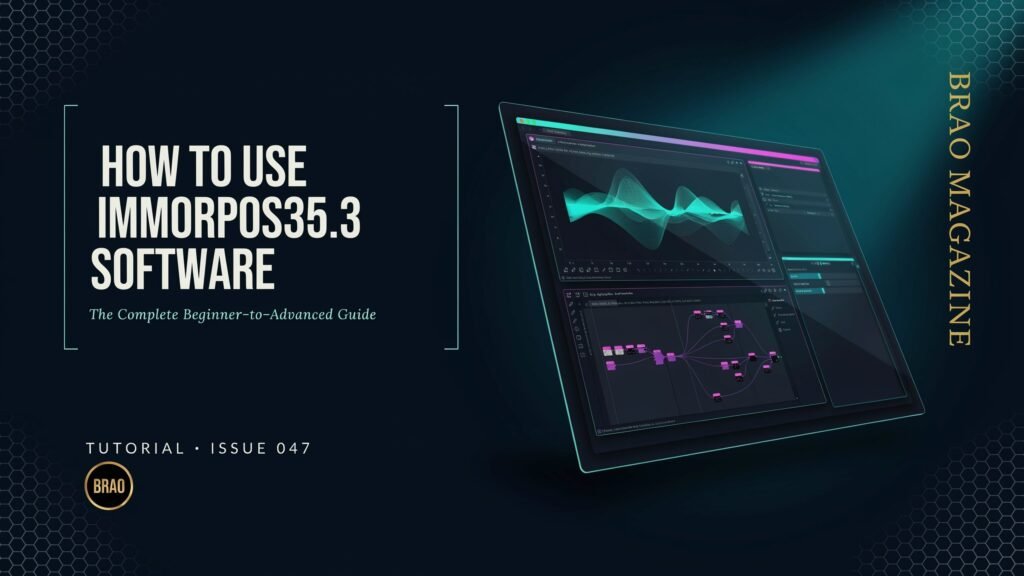
    How to Use Immorpos35.3 Software: A Complete Beginner-to-Advanced Guide

    Every software solution promises to simplify work, improve productivity, and reduce manual effort. The reality, however, is often different. A powerful application is only as useful as the user’s ability to understand and operate it effectively. That’s especially true when working with specialized business software such as Immorpos35.3.

    Whether you’ve recently installed Immorpos35.3 or inherited a workplace system that already relies on it, the first experience can feel overwhelming. Menus, configuration options, user permissions, data management tools, and reporting features can make the learning curve seem steeper than expected.

    Fortunately, mastering the software doesn’t require advanced technical knowledge. Once you understand its workflow and how its modules connect, many everyday tasks become straightforward. Learning the correct setup from the beginning also helps avoid common mistakes that can lead to inaccurate records, inefficient processes, or unnecessary troubleshooting later.

    This guide explains how to use Immorpos35.3 software in a practical, easy-to-follow way. Rather than focusing only on individual buttons or menus, it explores how the software works as a complete system, why certain features matter, and how different users can get the most value from it.

    Whether you’re a first-time user, an office administrator, or an IT professional responsible for deployment, this guide provides the foundation needed before moving into advanced workflows.

    What Is Immorpos35.3 Software?

    Immorpos35.3 is a professional software platform designed to centralize operational workflows, organize business information, and improve day-to-day management tasks through a unified digital interface.

    Although software configurations may vary depending on the organization using it, Immorpos35.3 generally combines several administrative functions into one environment. Instead of switching between multiple applications, users can access essential tools from a single dashboard.

    Typical functions often include:

    • Data management
    • User administration
    • Record organization
    • Workflow monitoring
    • Reporting and analytics
    • Configuration management
    • Permission controls
    • System logging

    Rather than functioning as a simple database, the software acts as a centralized workspace where users interact with information, automate repetitive processes, and monitor operational activities.

    This integrated approach helps reduce duplicate work while improving consistency across different departments.

    Why Organizations Use Immorpos35.3

    Businesses constantly manage large amounts of information. Without a structured system, files become scattered, updates are missed, and communication slows down.

    Immorpos35.3 addresses these challenges by creating a standardized workflow.

    Common reasons organizations implement the software include:

    • Improving operational efficiency
    • Reducing manual paperwork
    • Organizing digital records
    • Monitoring employee activities
    • Simplifying reporting
    • Maintaining consistent data
    • Supporting multi-user collaboration
    • Increasing administrative accuracy

    Instead of relying on disconnected spreadsheets or isolated databases, users can work within one coordinated environment.

    Understanding How Immorpos35.3 Works

    One of the easiest ways to understand the software is to think of it as a control center rather than a single-purpose application.

    Most actions performed inside the system follow a similar process:

    1. Information enters the system.
    2. The software organizes the data.
    3. Users review or update records.
    4. Permissions determine who can edit information.
    5. Reports summarize activities.
    6. Administrators monitor performance and system status.

    Each module communicates with the others, reducing repetitive data entry.

    For example:

    A record created in one section can automatically become available inside reporting tools, dashboards, and administrative modules without requiring duplicate input.

    This interconnected structure is one reason organizations choose centralized software platforms instead of maintaining separate applications for every task.

    Core Workflow

    A simplified workflow typically looks like this:

    StagePurpose
    LoginAuthenticate user access
    DashboardDisplay available modules
    Data EntryAdd or update records
    ProcessingSystem validates information
    StorageSave records securely
    ReportingGenerate summaries and insights
    AdministrationManage permissions and settings

    Although organizations may customize certain workflows, this general process remains similar across many deployments.

    Key Features of Immorpos35.3 Software

    The strength of Immorpos35.3 lies in its collection of integrated features rather than any single capability. Together, these tools help users manage information more efficiently while maintaining consistency across the organization.

    Below are some of the most commonly available features.

    Centralized Dashboard

    The dashboard serves as the starting point after logging into the software.

    From here, users can typically:

    • Access assigned modules
    • View recent activity
    • Check notifications
    • Navigate between functions
    • Monitor pending task
    • Review system summaries

    A well-organized dashboard reduces navigation time and helps users stay focused on their responsibilities.

    User Management

    Organizations often require different levels of access for different employees.

    Immorpos35.3 generally includes administrative controls that allow managers to:

    • Create user accounts
    • Disable inactive users
    • Assign permissions
    • Reset passwords
    • Monitor login history
    • Organize user groups

    This role-based approach improves both security and operational efficiency.

    Data Organization

    Managing large volumes of information becomes much easier when records are stored in a structured format.

    The software typically supports:

    These capabilities reduce the time spent searching for important information.

    Reporting and Analytics

    Many organizations rely on reports to monitor performance.

    Immorpos35.3 commonly includes reporting features that help users:

    • Generate summaries
    • Track activity
    • Review operational data
    • Export reports
    • Monitor productivity
    • Identify trends

    Instead of manually compiling spreadsheets, reports can often be produced automatically using existing records.

    Security Controls

    Business software frequently stores sensitive operational information.

    Security features may include:

    • User authentication
    • Password policies
    • Access permissions
    • Activity logs
    • Administrative oversight
    • Backup support

    These measures help reduce unauthorized access while improving accountability.

    Search and Filtering

    As databases grow, finding information quickly becomes increasingly important.

    Most modern implementations provide:

    • Keyword search
    • Advanced filters
    • Category selection
    • Date filtering
    • User-based filtering
    • Status filtering

    These options allow users to locate records within seconds instead of manually reviewing extensive datasets.

    Feature Overview

    FeaturePrimary PurposeBenefit
    DashboardCentral navigationFaster workflow
    User ManagementControl user accessImproved security
    Data RecordsStore informationBetter organization
    ReportingGenerate insightsFaster decision-making
    PermissionsRestrict accessData protection
    Search ToolsLocate informationTime savings
    Activity LogsTrack changesAccountability
    Administrative SettingsConfigure systemBetter management

    Who Should Use Immorpos35.3 Software?

    One of the reasons software like Immorpos35.3 remains valuable is its flexibility. While the exact implementation varies by organization, the platform is designed to support multiple user roles rather than a single type of professional.

    Common users include:

    Office Administrators

    Administrators often rely on the software to organize records, oversee daily operations, manage user accounts, and maintain consistency across departments.

    Business Managers

    Managers can use reporting features, workflow monitoring tools, and performance summaries to make informed operational decisions.

    Data Entry Staff

    Employees responsible for entering or updating records benefit from structured forms, searchable databases, and standardized workflows that reduce errors.

    IT Administrators

    Technical teams typically handle installation, user permissions, system maintenance, backups, and software updates to ensure reliable performance.

    Supervisors

    Supervisors may use the platform to review employee activities, approve tasks, monitor ongoing processes, and generate department-specific reports.

    Because access permissions are generally role-based, each user sees only the tools and information relevant to their responsibilities, helping keep the interface organized and secure.

    Benefits of Using Immorpos35.3 Software

    Organizations adopt management software to improve efficiency, but the long-term value comes from how consistently the platform supports everyday work. Immorpos35.3 offers several practical advantages when configured and used correctly.

    Improved Productivity

    Centralizing information reduces the need to switch between multiple applications, allowing users to complete tasks more quickly.

    Better Data Organization

    Instead of scattered files and disconnected spreadsheets, records remain stored in one structured environment, making information easier to locate and maintain.

    Stronger Collaboration

    Teams working across departments can access shared information based on their assigned permissions, improving coordination while reducing duplication.

    Reduced Human Error

    Standardized workflows, structured forms, and validation rules help minimize common mistakes during data entry and record management.

    Easier Reporting

    Built-in reporting tools make it simpler to generate summaries and operational insights without manually compiling data from multiple sources.

    Enhanced Security

    Role-based access, user authentication, and activity logs help protect sensitive information while maintaining accountability across the organization.

    Scalable Operations

    As businesses grow, centralized software can often accommodate increasing volumes of data and additional users without fundamentally changing existing workflows.

    Why Learning the Basics First Matters

    Many users are eager to jump directly into advanced functions, but taking time to understand the software’s structure pays off in the long run. Knowing how modules connect, how permissions affect access, and how data flows through the system helps prevent confusion as tasks become more complex.

    In the next part of this guide, you’ll move from theory to practice. We’ll cover how to install Immorpos35.3 software, configure it for first-time use, navigate the dashboard, manage records, customize settings, and build an efficient daily workflow using the platform’s core features.

    Step-by-Step: How to Use Immorpos35.3 Software

    Understanding what Immorpos35.3 is and what it can do is only the beginning. The next step is learning how to use it efficiently in day-to-day work. While organizations may customize certain modules or permissions, the overall workflow remains similar across most implementations.

    The sections below walk through the typical process—from installation and initial setup to managing records, generating reports, and using advanced tools.

    Installing Immorpos35.3 Software

    Before using the software, you’ll need to ensure that your computer meets the basic system requirements. Depending on your organization, the application may be installed locally on individual computers or accessed through a shared server or network.

    A standard installation process usually involves:

    1. Downloading the installation package from your organization’s approved source.
    2. Running the installer with administrator privileges.
    3. Accepting the software license agreement.
    4. Choosing the installation directory.
    5. Installing any required dependencies.
    6. Completing the setup wizard.
    7. Restarting the computer if prompted.

    If your company uses a centralized IT department, installation may already be completed, and you’ll simply receive login credentials.

    Tip: Always use the official installation package provided by your employer or software administrator. Avoid installing modified or unofficial versions.

    Before You Begin

    Take a few minutes to verify these essentials:

    RequirementWhy It Matters
    Stable internet connection (if required)Enables authentication and synchronization
    Administrator permissionsRequired for installation
    Valid user accountNeeded for login
    Updated operating systemImproves compatibility
    Backup of existing dataPrevents accidental loss during migration

    Proper preparation minimizes setup issues later.

    Logging In for the First Time

    After installation, launch Immorpos35.3.

    The login screen generally requests:

    • Username
    • Password
    • Organization or server (if applicable)

    After successful authentication, the system loads your personalized workspace based on your assigned role.

    Different users may see different menus because permissions determine available features.

    For example:

    • Administrators may access system settings.
    • Managers may see reporting modules.
    • Data entry staff may only access records relevant to their department.

    This role-based design keeps the interface clean while protecting sensitive information.

    How to Use Immorpos35.3 Software

    Understanding the Dashboard

    The dashboard acts as the software’s command center.

    Instead of searching through complicated menus, users can quickly access the tools they use most often.

    A typical dashboard may include:

    • Navigation menu
    • Notifications
    • Recent activity
    • Task summary
    • Reports
    • Quick actions
    • User profile
    • Search bar

    Although layouts vary, most dashboards are designed to reduce the number of clicks required for common tasks.

    Navigating the Main Menu

    Most users spend the majority of their time moving between modules.

    Common navigation sections include:

    Home

    Displays announcements, shortcuts, and recent activities.

    Records

    Where users create, edit, search, and organize information.

    Reports

    Generates summaries and performance metrics.

    Administration

    Available primarily to administrators for managing users, permissions, and settings.

    Settings

    Allows users to customize personal preferences and certain system configurations.

    Learning where each module is located saves time and reduces frustration.

    Creating Your First Record

    One of the first practical tasks in Immorpos35.3 is entering new information into the system.

    Although the type of record depends on your organization’s implementation, the process generally follows these steps:

    1. Open the appropriate module.
    2. Click New Record or Create.
    3. Complete all required fields.
    4. Attach supporting documents if necessary.
    5. Review the information.
    6. Save the record.

    Many systems automatically validate mandatory fields before allowing submission.

    This helps reduce incomplete entries.

    Best Practices During Data Entry

    Experienced users recommend:

    • Double-check names and numbers.
    • Use consistent formatting.
    • Avoid unnecessary abbreviations.
    • Complete mandatory fields.
    • Upload clear attachments.
    • Review entries before saving.

    Small habits like these significantly improve long-term data quality.

    Editing Existing Records

    Information changes over time.

    Immorpos35.3 allows authorized users to modify existing records without recreating them from scratch.

    Typical editing workflow:

    1. Search for the record.
    2. Open the details page.
    3. Select Edit.
    4. Make necessary updates.
    5. Save changes.

    Many systems also maintain an audit log showing:

    • Who made the change
    • When it was made
    • What information changed

    This improves accountability.

    Searching for Information

    As databases grow, search tools become essential.

    Instead of manually browsing thousands of records, users can locate information using filters.

    Common search options include:

    • Keywords
    • Categories
    • Status
    • Dates
    • Assigned user
    • Department
    • Record ID

    Combining multiple filters usually produces more accurate results.

    Search Example

    Instead of searching:

    Invoice
    

    Use:

    Status: Approved
    Date: March
    Department: Finance
    

    Targeted searches save considerable time.

    Managing Users and Permissions

    For administrators, user management is one of the most important responsibilities.

    The software usually supports:

    • Creating new users
    • Deactivating accounts
    • Password resets
    • Permission assignment
    • Department grouping
    • Role management

    Assigning the correct permissions is critical.

    Giving excessive access increases security risks.

    Too little access slows productivity.

    Understanding User Roles

    RoleTypical Access
    AdministratorFull system control
    ManagerReports and approvals
    SupervisorTeam monitoring
    Staff MemberDaily operational tasks
    Read-Only UserView information only

    This structure helps maintain both efficiency and security.

    Using Reports Effectively

    Reports transform raw data into useful information.

    Instead of reviewing hundreds of records individually, users can generate summaries in seconds.

    Reports often include:

    • Daily activity
    • Monthly performance
    • User productivity
    • Operational trends
    • Record status
    • Department summaries

    Many systems also allow exporting reports to formats such as PDF or Excel.

    Tips for Better Reporting

    Generate reports consistently rather than only when problems arise.

    Regular reporting helps identify:

    • Workflow bottlenecks
    • Missing records
    • Employee productivity
    • Processing delays
    • Operational trends

    Small patterns become easier to spot over time.

    How to Use Immorpos35.3 Software

    Customizing the Software

    Most users don’t realize how much they can personalize their workspace.

    Depending on permissions, customization options may include:

    • Dashboard layout
    • Notification settings
    • Language preferences
    • Theme selection
    • Default reports
    • Saved searches
    • Shortcut menus

    These adjustments may seem minor but can noticeably improve efficiency.


    Advanced Features Worth Learning

    Once you’re comfortable with the basics, several advanced tools can make your workflow even more efficient.

    Batch Processing

    Instead of editing records individually, batch processing allows multiple records to be updated simultaneously.

    This feature is particularly useful when:

    • Updating statuses
    • Assigning departments
    • Applying categories
    • Importing large datasets

    Import and Export Functions

    Organizations often migrate data between systems.

    Import tools usually support:

    • CSV files
    • Excel spreadsheets
    • Structured databases

    Export options allow users to:

    • Share reports
    • Archive records
    • Perform external analysis
    • Create backups

    Always verify imported data to ensure formatting remains accurate.

    Activity Logs

    Activity logs record important system events, including:

    • User logins
    • Record creation
    • Updates
    • Deletions
    • Administrative changes

    These logs are valuable for troubleshooting and maintaining accountability.

    Notifications and Alerts

    Many workflows rely on timely reminders.

    Notifications may inform users about:

    • Pending approvals
    • Overdue tasks
    • System updates
    • Assigned work
    • Security alerts

    Rather than checking each module manually, users receive updates automatically.

    Common Mistakes New Users Make

    Even experienced professionals can struggle when learning unfamiliar software.

    Here are some of the most common mistakes—and how to avoid them.

    MistakeBetter Approach
    Skipping trainingLearn core workflows first
    Ignoring required fieldsComplete every mandatory section
    Using inconsistent data formatsFollow organizational standards
    Giving excessive permissionsApply least-privilege access
    Forgetting backupsSchedule regular backups
    Creating duplicate recordsSearch before adding new entries
    Ignoring system updatesInstall approved updates promptly

    Avoiding these habits saves significant time later.

    Troubleshooting Common Issues

    Most software issues have straightforward solutions.

    Login Problems

    Possible causes:

    • Incorrect password
    • Locked account
    • Network issues
    • Expired credentials

    Slow Performance

    Possible solutions:

    • Restart the application.
    • Check internet connectivity.
    • Close unnecessary programs.
    • Clear temporary files if recommended by IT.

    Missing Records

    Before assuming data loss:

    • Verify search filters.
    • Check archive folders.
    • Confirm user permissions.
    • Refresh the application.

    Permission Errors

    If certain features are unavailable, contact your system administrator rather than attempting workarounds. Permission settings are often intentional and tied to your role.

    Real-World Example: A Typical Daily Workflow

    Imagine a customer support manager starting the day with Immorpos35.3:

    1. Logs into the system.
    2. Reviews dashboard notifications.
    3. Checks pending customer requests.
    4. Assigns tasks to team members.
    5. Updates existing records.
    6. Generates a performance report.
    7. Reviews unresolved cases.
    8. Logs out after confirming all work is saved.

    This structured routine keeps operations organized while reducing the chance of overlooked tasks.

    Daily Workflow Checklist

    TaskCompleted
    Log in securely✓
    Review notifications✓
    Process assigned records✓
    Update existing information✓
    Generate reports if needed✓
    Verify completed tasks✓
    Log out securely✓

    Preparing for More Advanced Use

    By this point, you should be comfortable with the core functions of Immorpos35.3—from installation and login to record management, reporting, customization, and troubleshooting. These foundational skills form the basis of efficient day-to-day use.

    In Part 3, we’ll take a broader view by exploring the software’s strengths and limitations, comparing it with similar solutions, discussing pricing considerations, examining future developments, sharing expert insights, answering frequently asked questions, and wrapping up with SEO resources and key takeaways. This final section will help you evaluate Immorpos35.3 not just as a tool, but as a long-term solution for business operations.

    Advantages and Limitations of Immorpos35.3 Software

    No software platform is perfect. The effectiveness of Immorpos35.3 depends on how well it is implemented, configured, and maintained. Understanding both its strengths and potential limitations allows organizations to make informed decisions and set realistic expectations.

    Advantages

    Immorpos35.3 offers several benefits that can improve operational efficiency when used correctly.

    • Centralizes business information in one system.
    • Reduces duplicate data entry.
    • Supports multiple user roles with permission-based access.
    • Simplifies reporting and record management.
    • Improves collaboration between departments.
    • Provides structured workflows that reduce human error.
    • Maintains activity logs for accountability.
    • Can scale as organizational needs grow.

    These strengths make it particularly useful for organizations that handle large volumes of records or require consistent administrative processes.

    Limitations

    Like many enterprise applications, Immorpos35.3 also has areas that users should be aware of.

    • Initial setup may require technical expertise.
    • New users may experience a learning curve.
    • Some advanced features may only be available to administrators.
    • Performance depends on the organization’s hardware and network infrastructure.
    • Integration with third-party applications may vary depending on deployment.

    These limitations are common across many professional software platforms and are often addressed through training, proper planning, and ongoing maintenance.

    Pros and Cons at a Glance

    ProsCons
    Centralized data managementLearning curve for beginners
    Role-based securityRequires proper configuration
    Reporting capabilitiesMay need IT support for setup
    Search and filtering toolsPerformance depends on system resources
    Improved collaborationAdvanced features may require training
    Scalable architectureCustom implementations can differ

    Best Practices for Long-Term Success

    Learning the software is only the first step. Organizations that achieve the best results usually establish consistent operating procedures rather than relying on individual habits.

    Standardize Data Entry

    Agree on naming conventions, date formats, and required fields across all departments. Consistency improves reporting accuracy and makes information easier to search.

    Review User Permissions Regularly

    Employees change roles over time. Periodically auditing permissions helps maintain security and ensures users have access only to the tools they need.

    Perform Regular Backups

    A reliable backup strategy protects valuable business data from accidental deletion, hardware failure, or unexpected system issues.

    Keep Documentation Updated

    Maintain internal documentation that explains workflows, approval processes, and troubleshooting steps. This shortens onboarding time for new employees.

    Encourage Continuous Training

    Software evolves, and so do organizational processes. Regular training sessions help users discover new features and reinforce best practices.

    Immorpos35.3 vs. General Business Management Software

    Although every organization has unique requirements, the table below highlights how Immorpos35.3 compares with a typical business management platform.

    FeatureImmorpos35.3Generic Business Software
    Workflow ManagementComprehensiveVaries by product
    User PermissionsRole-basedUsually available
    ReportingBuilt-inOften requires add-ons
    Search ToolsAdvanced filteringBasic to advanced
    Data OrganizationCentralizedDepends on implementation
    CustomizationOrganization-specificProduct dependent
    ScalabilitySuitable for growing organizationsVaries widely

    Rather than viewing one solution as universally better, it’s more accurate to evaluate software based on an organization’s size, workflow complexity, security requirements, and long-term goals.

    Pricing Discussion

    Publicly available pricing information for Immorpos35.3 is limited, and there is no universally published pricing model that applies to every deployment.

    In many enterprise environments, software costs depend on factors such as:

    • Number of users
    • Licensing agreements
    • Required modules
    • Support services
    • Custom development
    • Maintenance contracts
    • Deployment type (cloud or on-premises)

    If your organization is considering adoption, requesting a customized quotation from the software provider or authorized reseller is generally the most accurate approach.

    Who Is Immorpos35.3 Best Suited For?

    The software can provide value across a range of professional environments.

    Small Businesses

    Organizations looking to replace disconnected spreadsheets with a more structured workflow may benefit from centralized record management.

    Medium-Sized Companies

    Businesses with multiple departments often appreciate the software’s permission controls, reporting capabilities, and collaborative features.

    Large Enterprises

    Larger organizations can take advantage of scalable user management, standardized processes, and administrative oversight across multiple teams.

    Government and Institutional Use

    Where structured documentation, accountability, and audit trails are important, software with role-based access and activity logging can support compliance and operational consistency.

    Future Outlook

    Business software continues to evolve alongside changing workplace expectations. Users increasingly expect applications that are faster, easier to navigate, and more connected with other digital tools.

    Future versions of platforms like Immorpos35.3 may include enhancements such as:

    • Improved cloud-based accessibility
    • More intuitive user interfaces
    • Enhanced mobile compatibility
    • Expanded automation features
    • Better integration with third-party systems
    • AI-assisted reporting and workflow recommendations
    • Stronger cybersecurity protections

    These possibilities reflect broader industry trends rather than confirmed features. Actual development priorities depend on the software’s vendor and customer demand.

    Expert Insights

    After evaluating enterprise software across different industries, one lesson consistently stands out: technology alone doesn’t improve productivity—well-designed processes do.

    Organizations often invest heavily in new software but underestimate the importance of user training and change management. Teams that receive clear onboarding, documented workflows, and ongoing support typically realize greater long-term value than those that rely on trial and error.

    Another common observation is that clean, consistent data becomes increasingly valuable over time. The reports generated by any system are only as reliable as the information entered into it. Establishing good data practices from the beginning pays dividends in better decision-making and fewer administrative headaches later.

    How to Use Immorpos35.3 Software

    Frequently Asked Questions

    1. What is Immorpos35.3 software used for?

    Immorpos35.3 is generally used to manage business records, organize workflows, control user access, generate reports, and centralize operational data within a single platform. The exact functionality may vary depending on how an organization has implemented the software.

    2. Is Immorpos35.3 suitable for beginners?

    Yes. While new users may need some initial training, the software is typically designed with structured navigation and role-based dashboards that become easier to use with regular practice.

    3. Can multiple users access the software at the same time?

    In most business deployments, multiple authorized users can work within the system simultaneously. Access levels are usually controlled through user roles and permissions.

    4. Does Immorpos35.3 support reporting?

    Yes. Reporting is commonly one of the platform’s core capabilities, allowing users to summarize operational data, monitor performance, and generate business insights.

    5. Is technical knowledge required to use the software?

    Basic users generally do not need advanced technical skills. However, administrators responsible for installation, maintenance, and configuration may require more technical experience.

    6. How can I improve my efficiency when using Immorpos35.3?

    Learning keyboard shortcuts (if available), organizing data consistently, using saved searches, reviewing reports regularly, and understanding workflow dependencies can significantly improve productivity.

    7. How often should the software be updated?

    Organizations should follow their IT department’s update policy or the software provider’s recommendations. Applying approved updates helps improve security, compatibility, and overall performance.

    8. What should I do if I cannot access certain features?

    First, verify that you’re logged into the correct account. If features remain unavailable, contact your system administrator to confirm whether your user role includes the required permissions.

    Final Thoughts

    Learning how to use Immorpos35.3 software is about more than memorizing menu options—it’s about understanding how information moves through the system and how each feature contributes to efficient, reliable business operations. From creating records and managing users to generating reports and maintaining secure workflows, the platform offers a structured environment that can support organizations of many sizes when implemented effectively.

    If you’re just getting started, focus on mastering the fundamentals before exploring advanced features. Build consistent habits, follow your organization’s processes, and don’t hesitate to consult administrators or internal documentation when questions arise. Over time, confidence with the software grows naturally, turning routine tasks into streamlined workflows and allowing you to make the most of what Immorpos35.3 has to offer.

  • Technolotal Software Updates: Everything You Need to Know About Modern Software Maintenance and System Improvements

    Technolotal Software Updates: Everything You Need to Know About Modern Software Maintenance and System Improvements

    Software rarely stays the same for long. The apps, operating systems, and business platforms we rely on every day are constantly evolving to fix bugs, strengthen security, introduce new capabilities, and adapt to changing user expectations. That’s where Technolotal Software Updates come into the picture.

    Whether you’ve encountered the term while researching technology solutions or you’re trying to understand how modern software update systems work, it’s worth exploring what software updates actually accomplish and why they matter. While “Technolotal Software Updates” isn’t a universally recognized industry standard or the name of a widely documented software platform, it is commonly used in discussions related to software maintenance, digital transformation, and ongoing technology improvements.

    Understanding software updates goes beyond simply clicking an “Update Now” button. Behind every release is a carefully planned process involving developers, quality assurance teams, cybersecurity specialists, and product managers working together to improve performance while minimizing disruptions for users.

    This article examines the broader concept of Technolotal Software Updates, explaining how modern update systems function, why organizations depend on them, and what users should know before installing new software versions.

    What Are Technolotal Software Updates?

    At its core, Technolotal Software Updates refers to the ongoing process of improving software through scheduled or on-demand releases. These updates are designed to keep applications secure, efficient, and compatible with evolving hardware, operating systems, and user requirements.

    Unlike the early days of computing—when software often remained unchanged after installation—modern applications receive continuous improvements throughout their lifecycle. Developers release updates to address issues discovered after launch while introducing features that respond to customer feedback and technological advancements.

    Software updates generally fall into several categories:

    Update TypePrimary PurposeTypical Frequency
    Security UpdatesFix vulnerabilities and strengthen protectionAs needed
    Bug FixesResolve software errors and crashesRegular
    Feature UpdatesIntroduce new tools and capabilitiesMonthly or quarterly
    Performance UpdatesImprove speed and efficiencyPeriodically
    Compatibility UpdatesSupport new hardware or operating systemsWhen required

    Rather than viewing updates as occasional maintenance tasks, many technology companies now see them as an essential part of delivering a reliable digital experience.

    Understanding the Evolution of Software Updates

    Software maintenance has changed dramatically over the past several decades.

    The Early Years

    In the 1980s and early 1990s, updating software often meant purchasing a completely new version. Programs arrived on floppy disks or CDs, and users had to install each release manually.

    Bug fixes were relatively uncommon, and security patches were rarely distributed because internet-connected systems were still limited.

    The Rise of the Internet

    As internet connectivity became widespread, developers gained the ability to distribute updates online.

    Instead of replacing an entire application, companies could release small patches that corrected individual issues. This significantly reduced costs while improving software reliability.

    Automatic update systems soon became standard across desktop operating systems.

    Cloud-Based Software Changes Everything

    Today’s software landscape looks very different.

    Cloud platforms allow developers to deploy improvements continuously without requiring users to reinstall programs manually. Many Software-as-a-Service (SaaS) applications update silently in the background.

    This shift enables organizations to:

    • Respond rapidly to emerging cybersecurity threats.
    • Deliver features more frequently.
    • Improve customer satisfaction.
    • Reduce downtime.
    • Maintain consistent software performance.

    The concept behind Technolotal Software Updates reflects this modern philosophy of continuous software improvement rather than infrequent major releases.

    Why Software Updates Matter More Than Ever

    Ignoring updates might seem harmless, especially if an application appears to be functioning normally. However, outdated software often creates hidden risks that become more serious over time.

    Security Protection

    Cybersecurity remains the most compelling reason to install updates.

    When researchers discover vulnerabilities, software vendors develop patches before attackers can exploit them on a large scale.

    Without these patches, users may become vulnerable to:

    • Malware
    • Ransomware
    • Data theft
    • Identity fraud
    • Unauthorized system access

    Even a small vulnerability can become a significant security issue if left unresolved.

    Improved Performance

    Developers continuously analyze application performance.

    Updates frequently optimize:

    • Memory management
    • Startup speed
    • Processing efficiency
    • Battery usage
    • Network performance

    Although these improvements may not always be visible, they contribute to a smoother and more reliable user experience.

    Bug Fixes

    No software launches without imperfections.

    Real-world usage often reveals issues that were impossible to identify during internal testing.

    Common bugs include:

    • Application crashes
    • Unexpected freezing
    • Incorrect calculations
    • Display errors
    • Synchronization problems

    Regular updates gradually eliminate these issues, making software increasingly stable.

    New Features

    Technology evolves rapidly, and user expectations evolve with it.

    Instead of waiting years between major releases, software companies now deliver new capabilities incrementally.

    Examples include:

    These enhancements help software remain competitive while providing greater value to users.

    How Technolotal Software Updates Work

    Although the installation process may appear simple from the user’s perspective, software updates involve a sophisticated development pipeline.

    Identifying Problems

    Every update begins with information gathering.

    Developers collect insights from multiple sources:

    • Customer feedback
    • Technical support tickets
    • Automated error reports
    • Security researchers
    • Internal testing teams

    Patterns emerge that help prioritize future improvements.

    Planning the Update

    Not every issue receives immediate attention.

    Development teams evaluate factors such as:

    • Severity
    • User impact
    • Security risk
    • Technical complexity
    • Business priorities

    Critical vulnerabilities usually receive emergency updates, while cosmetic improvements may wait for scheduled releases.

    Development

    Software engineers modify the codebase to implement fixes or introduce new functionality.

    This stage often includes:

    • Code reviews
    • Documentation updates
    • Internal testing
    • Security verification

    Large organizations may have hundreds of developers contributing to a single software release.

    Quality Assurance Testing

    Before public release, quality assurance (QA) teams test updates extensively.

    Testing typically covers:

    • Functionality
    • Stability
    • Compatibility
    • Performance
    • Security

    Automated testing tools accelerate this process, but manual testing remains essential for identifying usability issues.

    Deployment

    Once approved, updates are distributed through various channels.

    Depending on the software, deployment may occur:

    • Automatically
    • Gradually in phases
    • Region by region
    • Enterprise-wide
    • On-demand through update settings

    Large software companies frequently use staged rollouts to detect unexpected issues before global deployment.

    Monitoring

    Deployment isn’t the end of the process.

    Developers continue monitoring:

    • Crash reports
    • User feedback
    • Performance metrics
    • Installation success rates
    • Security incidents

    If unexpected problems arise, corrective patches may be released quickly.

    Major Types of Technolotal Software Updates

    Not all updates serve the same purpose. Understanding their differences helps users make informed decisions about installation timing and expectations.

    Security Updates

    Security updates focus exclusively on protecting systems from newly discovered vulnerabilities.

    These releases often contain:

    Organizations typically prioritize these updates because delaying installation increases exposure to cyber threats.

    Feature Updates

    Feature updates introduce new functionality without fundamentally replacing the software.

    Examples include:

    • New dashboards
    • AI-powered tools
    • Enhanced reporting
    • Interface improvements
    • Workflow automation

    For businesses, these updates can improve productivity without requiring a full software migration.

    Performance Updates

    Performance improvements aim to make software faster, lighter, and more efficient.

    Common optimizations include:

    • Reduced loading times
    • Better CPU utilization
    • Lower memory consumption
    • Faster database queries
    • Improved network efficiency

    While users may not always notice individual changes, cumulative performance updates can significantly enhance the overall experience.

    Compatibility Updates

    Technology ecosystems evolve constantly.

    Operating systems, browsers, hardware components, and third-party integrations receive updates of their own.

    Compatibility updates ensure software continues working correctly across changing environments, reducing the risk of crashes or functionality loss after external platform upgrades.

    Technolotal Software Updates

    Key Characteristics of Modern Software Update Systems

    Modern software maintenance follows principles that were uncommon just a decade ago. Today’s update systems prioritize speed, reliability, automation, and user convenience.

    CharacteristicWhy It Matters
    Automatic DeliveryReduces manual effort and improves security compliance
    Incremental UpdatesDownloads only changed files, saving bandwidth
    Cloud IntegrationEnables continuous improvements without reinstalling software
    Rollback CapabilityAllows developers to reverse problematic updates quickly
    Real-Time MonitoringHelps identify issues immediately after deployment
    Security VerificationConfirms update authenticity before installation

    These characteristics have transformed software maintenance from an occasional technical task into a continuous, largely invisible process that keeps applications secure and functional.

    By understanding the purpose and mechanics of Technolotal Software Updates, users can better appreciate why regular updates are more than routine maintenance—they are a critical part of ensuring software remains secure, reliable, and capable of meeting modern digital demands. In the next section, we’ll examine the real-world benefits and challenges of software updates, compare different update models, explore industry use cases, and share best practices for individuals and organizations.

    Software updates are often associated with a simple notification asking users to restart their device. Behind that familiar prompt, however, lies a strategic process that helps organizations protect data, improve user experiences, and keep pace with rapidly changing technology.

    Whether an update introduces a new feature or quietly patches a security vulnerability, its long-term value extends far beyond the installation itself. Understanding both the advantages and potential challenges allows users and businesses to make informed decisions rather than viewing updates as an inconvenience.

    The Biggest Benefits of Technolotal Software Updates

    Modern software evolves continuously, and updates are the mechanism that makes that evolution possible. From cybersecurity to productivity, the advantages affect nearly every aspect of digital operations.

    Stronger Cybersecurity

    One of the most significant reasons to install software updates is security.

    Cybercriminals constantly search for weaknesses in operating systems, applications, and cloud services. Once a vulnerability becomes known, software vendors typically work to develop and release a patch as quickly as possible.

    Regular updates help protect against:

    • Malware infections
    • Ransomware attacks
    • Phishing-related exploits
    • Privilege escalation vulnerabilities
    • Remote code execution attacks
    • Data breaches

    For businesses handling customer information, applying security patches promptly is often an essential part of maintaining compliance with industry regulations and cybersecurity best practices.

    Better System Stability

    Software becomes more stable over time because developers continuously learn from real-world usage.

    Millions of users interact with applications in different environments, revealing issues that internal testing alone cannot always detect.

    Stability improvements often reduce:

    • Random crashes
    • Frozen screens
    • Unexpected shutdowns
    • File corruption
    • Compatibility conflicts

    These improvements may seem small individually, but together they create a noticeably smoother user experience.

    Faster Performance

    Performance optimization is another major objective of software updates.

    Development teams regularly refine code to reduce unnecessary resource consumption and improve responsiveness.

    Common performance enhancements include:

    • Faster startup times
    • Reduced RAM usage
    • Improved processor efficiency
    • Lower battery consumption
    • Quicker loading speeds
    • Optimized database operations

    Businesses that rely on enterprise software often see measurable productivity gains after performance-focused updates.

    Improved User Experience

    Technology companies pay close attention to customer feedback.

    When users consistently report confusing navigation or inefficient workflows, developers often redesign parts of the interface in future releases.

    Examples include:

    • Cleaner dashboards
    • Simplified menus
    • Better accessibility features
    • Enhanced search functions
    • Customizable layouts
    • Streamlined workflows

    These updates make software easier to learn while helping experienced users complete tasks more efficiently.

    Access to New Features

    Modern software rarely waits for major version releases to introduce innovation.

    Instead, companies roll out new functionality throughout the year.

    Examples include:

    Feature CategoryTypical Improvements
    Artificial IntelligenceSmart recommendations, AI assistants, automation
    CollaborationShared workspaces, live editing, team messaging
    AnalyticsInteractive dashboards, advanced reporting
    SecurityMulti-factor authentication, stronger encryption
    IntegrationSupport for additional third-party platforms

    This continuous delivery model allows organizations to adopt new capabilities without replacing their existing software.

    Common Challenges Associated with Software Updates

    Despite their many advantages, updates are not entirely risk-free.

    Even carefully tested releases can produce unexpected issues under certain conditions.

    Understanding these challenges helps organizations prepare more effectively.

    Temporary Compatibility Problems

    One of the most common concerns involves compatibility.

    An updated application may not immediately work with:

    • Older operating systems
    • Legacy hardware
    • Custom plugins
    • Third-party integrations
    • Outdated drivers

    Large organizations often test updates in controlled environments before deploying them company-wide.

    Learning Curve

    New features frequently require users to adapt.

    Interface redesigns may improve long-term usability while initially causing confusion among experienced users accustomed to older workflows.

    Organizations often address this challenge through:

    Unexpected Bugs

    No software release is perfect.

    Even after extensive quality assurance testing, rare issues may only appear when millions of users begin using the updated version.

    Examples include:

    • Minor interface glitches
    • Unexpected performance drops
    • Printing errors
    • Login issues
    • Synchronization failures

    Reputable software companies generally monitor these reports closely and release corrective patches quickly.

    Downtime During Installation

    Some updates require:

    • Device restarts
    • Temporary service interruptions
    • Scheduled maintenance windows

    For enterprise systems supporting thousands of users, maintenance planning becomes essential to minimize operational disruption.

    Pros and Cons of Technolotal Software Updates

    AdvantagesPotential Drawbacks
    Better cybersecurityPossible compatibility issues
    Improved stabilityTemporary learning curve
    Faster performanceInstallation downtime
    New productivity featuresOccasional post-update bugs
    Enhanced complianceLarger downloads for major releases
    Longer software lifespanOlder hardware may struggle with new versions

    While drawbacks exist, they are generally outweighed by the long-term benefits of keeping software current.

    Technolotal Software Updates

    Real-World Applications Across Industries

    Software updates influence nearly every industry, often in ways that users never notice.

    Healthcare

    Hospitals depend on secure software to manage sensitive patient information.

    Updates help healthcare systems:

    • Strengthen data protection
    • Improve medical device compatibility
    • Support regulatory compliance
    • Enhance scheduling systems
    • Reduce operational risks

    Because patient safety is involved, healthcare organizations often follow strict testing procedures before deploying updates.

    Financial Services

    Banks process enormous volumes of transactions every day.

    Software updates support:

    • Fraud detection improvements
    • Encryption enhancements
    • Payment system reliability
    • Regulatory compliance
    • Mobile banking features

    Even small security improvements can significantly reduce financial risk.

    Education

    Schools and universities increasingly rely on digital learning platforms.

    Updates improve:

    • Virtual classrooms
    • Student collaboration
    • Accessibility
    • Assignment management
    • Video conferencing quality

    As remote and hybrid learning continue to evolve, continuous software improvements remain essential.

    Manufacturing

    Industrial software manages production equipment, inventory, and logistics.

    Updates often optimize:

    • Machine monitoring
    • Predictive maintenance
    • Supply chain visibility
    • Inventory accuracy
    • Production analytics

    Improved reliability can translate directly into reduced operational costs.

    Retail and E-commerce

    Online retailers depend heavily on software performance.

    Updates frequently enhance:

    • Checkout speed
    • Payment security
    • Inventory synchronization
    • Customer personalization
    • Mobile shopping experiences

    Even modest improvements in website speed or checkout efficiency can positively influence customer satisfaction.

    Cloud-Based Updates vs Traditional Updates

    Software delivery models have changed dramatically over the last decade.

    FeatureTraditional SoftwareCloud Software
    InstallationManualAutomatic
    Update FrequencyPeriodicContinuous
    MaintenanceUser-managedVendor-managed
    DowntimeOften longerUsually minimal
    AccessibilityDevice-specificAvailable across connected devices
    ScalabilityLimitedHighly scalable

    Cloud platforms have simplified software maintenance by allowing vendors to deploy improvements centrally without requiring users to install large upgrade packages manually.

    Best Practices for Managing Software Updates

    Whether you’re an individual user or an IT administrator, following a structured update strategy reduces risk while maximizing benefits.

    Enable Automatic Security Updates

    Security patches should rarely be delayed.

    Automatic installation helps protect systems against newly discovered threats before attackers can exploit them.

    Back Up Important Data

    Although update failures are uncommon, creating backups before major upgrades remains a wise precaution.

    Backups protect against:

    • Installation failures
    • Hardware issues
    • Data corruption
    • Unexpected rollback requirements

    Read Release Notes

    Release notes explain:

    • New features
    • Fixed bugs
    • Known limitations
    • Compatibility requirements

    Understanding what’s changing helps users prepare for workflow adjustments.

    Test Before Large Deployments

    Organizations should avoid updating every system simultaneously.

    A phased rollout allows IT teams to identify unexpected issues before expanding deployment.

    Typical deployment stages include:

    1. Development environment
    2. Testing environment
    3. Pilot users
    4. Department rollout
    5. Organization-wide deployment

    Remove Unsupported Software

    Some applications eventually reach their end of support.

    Continuing to use unsupported software increases security risks because new vulnerabilities are no longer patched.

    Regular software audits help organizations identify outdated applications before they become liabilities.

    Common Mistakes Users Make

    Many software-related problems stem not from the updates themselves but from how users manage them.

    Some of the most frequent mistakes include:

    • Ignoring update notifications for months
    • Using unsupported operating systems
    • Installing updates from unofficial sources
    • Skipping backups before major upgrades
    • Disabling security updates permanently
    • Failing to verify compatibility with business-critical applications

    Avoiding these mistakes significantly improves system reliability and security.

    Expert Insights: Why Continuous Updates Are Becoming the Industry Standard

    The software industry has largely shifted from periodic releases to continuous improvement.

    Instead of waiting years between major versions, organizations now deploy smaller, incremental updates that are easier to test, faster to install, and less disruptive for users.

    This approach aligns with modern development practices such as Agile methodologies, DevOps, and continuous integration/continuous deployment (CI/CD), enabling development teams to respond quickly to security threats, customer feedback, and changing market demands.

    For users, this means software feels more dynamic. New capabilities arrive sooner, security issues are addressed more rapidly, and applications remain compatible with evolving technologies without requiring complete reinstallation or costly upgrades.

    The growing reliance on continuous software maintenance reflects a broader shift in how technology is developed and delivered. Rather than treating updates as occasional events, organizations increasingly view them as an ongoing process that supports security, innovation, and long-term reliability. In the final part of this article, we’ll explore future trends shaping software updates, answer frequently asked questions, and provide SEO elements, schema-friendly FAQs, image alt texts, and key takeaways.

    The Future of Technolotal Software Updates

    Software updates have evolved from occasional maintenance tasks into a continuous process that supports innovation, cybersecurity, and long-term software reliability. As emerging technologies reshape the software industry, update systems are becoming smarter, faster, and increasingly automated.

    Organizations no longer view updates as isolated releases. Instead, they’re part of an ongoing lifecycle designed to keep software responsive to changing user needs, evolving threats, and advances in computing.

    Several trends are expected to shape the future of Technolotal Software Updates.

    Artificial Intelligence Will Drive Smarter Updates

    Artificial intelligence (AI) is already influencing software development, and its role in update management is likely to expand.

    Rather than relying solely on manual monitoring, AI can analyze massive volumes of operational data to identify issues before users even notice them.

    Potential applications include:

    • Predicting software failures
    • Detecting unusual system behavior
    • Prioritizing bug fixes based on user impact
    • Automatically testing software changes
    • Recommending personalized update schedules

    AI-assisted quality assurance can also reduce development time while helping teams identify defects earlier in the release cycle.

    Greater Automation Through DevOps

    Modern software companies increasingly rely on DevOps practices to streamline development and deployment.

    Continuous Integration (CI) and Continuous Deployment (CD) pipelines allow developers to:

    • Build software automatically
    • Run thousands of automated tests
    • Verify security requirements
    • Deploy approved updates rapidly
    • Monitor releases in real time

    Instead of waiting months for a major release, organizations can deliver smaller improvements several times each week—or even multiple times a day.

    This reduces risk because each update contains fewer changes and is easier to troubleshoot if problems arise.

    Enhanced Cybersecurity Integration

    Cyber threats continue to grow in sophistication.

    Future update systems will likely place even greater emphasis on proactive security by incorporating:

    • Zero Trust security principles
    • Real-time vulnerability detection
    • Automated threat intelligence
    • Stronger encryption standards
    • Hardware-assisted security features

    Rather than reacting after vulnerabilities are discovered, software vendors are increasingly investing in predictive security strategies.

    Personalized Update Experiences

    Not every user has the same needs.

    Future update systems may become increasingly personalized based on:

    • Device performance
    • User preferences
    • Geographic region
    • Hardware specifications
    • Organizational policies

    For example, enterprise customers may receive stability-focused updates first, while beta testers gain early access to experimental features.

    Edge Computing and Internet of Things (IoT)

    The number of connected devices continues to expand.

    Smart homes, industrial sensors, autonomous vehicles, healthcare equipment, and wearable devices all require secure software maintenance.

    Managing updates across thousands—or even millions—of connected devices presents unique challenges.

    Future systems will likely emphasize:

    • Lightweight update packages
    • Secure remote deployment
    • Low-bandwidth optimization
    • Device health monitoring
    • Automatic rollback mechanisms

    Reliable update systems will become even more critical as connected devices play larger roles in everyday life.

    Sustainability Will Influence Software Development

    Software optimization isn’t only about performance.

    Efficient code can reduce:

    • Processor usage
    • Energy consumption
    • Data transfer requirements
    • Cloud infrastructure costs

    As organizations pursue sustainability goals, developers are expected to prioritize updates that improve energy efficiency alongside traditional performance improvements.

    Common Misconceptions About Software Updates

    Despite their importance, software updates are often misunderstood. Clearing up these misconceptions helps users make better decisions.

    MythReality
    Updates only add new features.Most updates focus on security, stability, and bug fixes.
    If software works, it doesn’t need updating.Hidden vulnerabilities may still exist even if everything appears to function normally.
    Updates always slow devices down.Many updates improve performance and optimize resource usage.
    Small updates are unimportant.Even minor patches can resolve critical security issues.
    Automatic updates are unsafe.Updates from trusted software vendors are generally the safest way to maintain software.

    Understanding these distinctions encourages a more proactive approach to software maintenance.

    Technolotal Software Updates

    Frequently Asked Questions

    1. What are Technolotal Software Updates?

    Technolotal Software Updates refer to the continuous process of improving software through security patches, bug fixes, performance enhancements, compatibility improvements, and feature releases. While the term itself isn’t associated with a specific industry-standard product, it broadly reflects modern software maintenance practices.

    2. Why are software updates necessary?

    Software updates help protect systems from newly discovered security vulnerabilities, fix bugs, improve performance, maintain compatibility with newer hardware and operating systems, and introduce useful new features.

    3. Are software updates always safe to install?

    Updates provided directly by trusted software vendors are generally safe. Businesses managing critical systems often test updates before organization-wide deployment to reduce the risk of compatibility issues.

    4. Can delaying updates create security risks?

    Yes. Cybercriminals frequently target known vulnerabilities that have already been patched by software developers. Delaying security updates increases exposure to malware, ransomware, and other cyber threats.

    5. What’s the difference between a software update and an upgrade?

    A software update typically introduces incremental improvements, bug fixes, or security patches within the same version. An upgrade usually represents a larger release with significant new functionality, interface changes, or architectural improvements.

    6. Do software updates affect system performance?

    In many cases, updates improve performance by optimizing code and resource usage. However, older hardware may occasionally experience slower performance after major upgrades that introduce more demanding features.

    7. Should automatic updates be enabled?

    For most users, enabling automatic security updates is recommended because it helps ensure timely protection against newly discovered vulnerabilities. Organizations with complex IT environments may choose controlled deployment strategies instead.

    8. How often should software be updated?

    There’s no universal schedule. Security patches should be installed as soon as practical, while feature updates can often follow an organization’s planned maintenance cycle.

    Final Thoughts

    Software updates may not attract much attention when everything works as expected, but they quietly power the digital experiences people depend on every day. From securing personal devices against evolving cyber threats to helping global businesses operate more efficiently, continuous software maintenance has become a cornerstone of modern technology.

    The idea behind Technolotal Software Updates reflects a broader shift in how software is built and maintained. Rather than delivering infrequent, large-scale releases, developers now embrace continuous improvement—providing faster security responses, regular performance enhancements, and steady innovation that keeps pace with changing user expectations.

    For individuals, staying current with trusted updates is one of the simplest ways to protect devices and enjoy the latest features. For organizations, adopting structured update strategies—including testing, phased deployments, and ongoing monitoring—supports long-term reliability while minimizing operational risk.

    As artificial intelligence, cloud computing, edge devices, and cybersecurity continue to evolve, software updates will become even more intelligent, efficient, and personalized. Keeping software current isn’t just about accessing new features; it’s about ensuring systems remain secure, resilient, and ready for the demands of tomorrow.

  • How Mogothrow77 Software Is Built: Exploring the Architecture, Development Process, and Technology Behind the Platform

    How Mogothrow77 Software Is Built: Exploring the Architecture, Development Process, and Technology Behind the Platform

    Software often attracts attention because of what users can see—the interface, the features, and the overall experience. Yet the real story lies beneath the surface. Every reliable application is the result of countless architectural decisions, development practices, and engineering trade-offs that determine how well it performs under real-world conditions.

    Interest in How Mogothrow77 Software Is Built has grown as more people search for information about the platform’s underlying technology. Developers want to understand its engineering principles, businesses are curious about its scalability, and technology enthusiasts simply want to know what powers the software behind the scenes. While detailed technical documentation about Mogothrow77 Software is not publicly available, modern software engineering practices make it possible to examine the likely architecture, development workflow, and technologies that software platforms of this type typically rely on.

    Rather than relying on speculation or unsupported claims, this article separates confirmed software engineering concepts from informed technical analysis. Where public information is limited, those limitations are stated clearly. That approach not only aligns with trustworthy reporting but also provides readers with realistic expectations about how complex software systems are designed.

    Whether you’re an aspiring developer, a software architect, a business owner evaluating digital platforms, or simply curious about software development, understanding the building blocks behind Mogothrow77 Software offers valuable insight into how modern applications are engineered for performance, security, and long-term scalability.

    Why People Want to Know How Mogothrow77 Software Is Built

    Modern software isn’t judged solely by its feature list. Users increasingly care about reliability, security, speed, and the ability to evolve with changing requirements. Questions about a platform’s architecture often arise because those technical foundations directly influence the user experience.

    People researching Mogothrow77 Software are typically looking for answers such as:

    • What technologies power the platform?
    • Is it built using modern software engineering principles?
    • How does it remain scalable as user demand grows?
    • What security mechanisms protect user information?
    • Can the software adapt to future updates and integrations?

    These questions reflect a broader trend in the software industry. Today’s users are more informed than ever, and organizations recognize that robust engineering practices often determine whether a platform succeeds over the long term.

    What Is Mogothrow77 Software?

    One challenge when discussing Mogothrow77 Software is the limited amount of publicly verified technical documentation. Unlike major enterprise platforms that publish detailed developer resources, architecture whitepapers, or engineering blogs, publicly accessible information about Mogothrow77 Software remains relatively scarce.

    That means any discussion of its internal design must distinguish between:

    Information TypeReliability
    Publicly documented factsHigh
    Observable software behaviorModerate
    Industry-standard architectural analysisModerate to High
    Unsupported internet speculationLow

    From a software engineering perspective, analyzing a platform involves looking beyond branding and focusing on common architectural patterns used across modern applications.

    If Mogothrow77 Software delivers interactive digital services, user authentication, stored data, cloud connectivity, and responsive performance, it likely shares many characteristics with contemporary web-based software systems.

    Modern Software Is Built in Layers

    One of the most significant shifts in software engineering over the last decade has been the move away from monolithic applications toward layered and modular architectures.

    Instead of placing every function into a single codebase, developers separate responsibilities into distinct components.

    A simplified architecture typically includes:

    LayerPrimary Responsibility
    Presentation LayerUser interface and interaction
    Application LayerBusiness logic
    API LayerCommunication between services
    Data LayerDatabase management
    Infrastructure LayerServers, cloud resources, deployment

    This layered approach makes software easier to maintain, test, and scale over time.

    If Mogothrow77 Software follows modern engineering practices—as many contemporary platforms do—it would likely organize its system using a similar separation of concerns.

    The Foundation of Modern Software Architecture

    Regardless of industry, most professional software projects begin long before developers write their first line of code.

    The process usually starts with identifying business goals, user requirements, and technical constraints.

    These early planning stages often include:

    • Requirement analysis
    • User journey mapping
    • Database planning
    • API design
    • Security planning
    • Infrastructure selection
    • Performance objectives

    Skipping this phase often leads to expensive redesigns later in development.

    Experienced engineering teams invest considerable time in architecture because changing foundational components after launch can be significantly more costly than planning them correctly from the beginning.

    Understanding the Core Building Blocks

    Every modern software platform consists of multiple interconnected systems rather than a single application.

    These building blocks typically include:

    User Interface (Frontend)

    The frontend is everything users interact with directly.

    Its responsibilities include:

    • Navigation
    • Dashboards
    • Forms
    • Interactive elements
    • Responsive layouts
    • Accessibility

    Modern frontend development often emphasizes responsiveness across desktops, tablets, and smartphones, ensuring a consistent user experience regardless of device.

    Backend Services

    While users see the interface, the backend handles the work behind the scenes.

    Typical backend responsibilities include:

    • Authentication
    • Data processing
    • Business rules
    • Permission management
    • Logging
    • Notifications
    • Reporting

    The backend acts as the central decision-making engine that coordinates requests between users, databases, and external services.

    Database Layer

    Every application that stores information requires an efficient data management system.

    Databases generally manage:

    • User accounts
    • Configuration settings
    • Transaction records
    • Activity logs
    • Application preferences
    • Historical data

    The database architecture often determines how quickly an application responds under heavy workload.

    How Mogothrow77 Software Is Built: A Conceptual Development Framework

    Because no comprehensive public engineering documentation exists for Mogothrow77 Software, the following framework is an informed explanation based on widely accepted software engineering practices rather than verified implementation details.

    A modern software platform is typically developed through several interconnected stages.

    Development PhasePrimary Objective
    PlanningDefine requirements and architecture
    UI/UX DesignCreate intuitive user experiences
    Backend DevelopmentImplement business logic
    Frontend DevelopmentBuild interactive interfaces
    Database EngineeringOrganize and secure data
    API DevelopmentEnable communication between services
    TestingIdentify bugs and verify functionality
    DeploymentRelease software to production
    MaintenanceDeliver updates, fixes, and improvements

    Each phase influences the next, creating an iterative development lifecycle rather than a strictly linear process.

    Agile methodologies, continuous integration, and continuous deployment (CI/CD) have become common because they allow teams to release improvements incrementally instead of waiting for large, infrequent updates.

    Designing for Scalability from the Start

    One hallmark of professionally engineered software is scalability—the ability to handle increasing numbers of users, transactions, or data without a noticeable decline in performance.

    Instead of building solely for current demand, experienced development teams often plan for future growth by designing systems that can expand over time.

    Common scalability strategies include:

    • Modular service architecture
    • Load balancing
    • Database indexing
    • Caching frequently accessed data
    • Cloud-based infrastructure
    • Asynchronous processing
    • Horizontal server scaling

    These approaches reduce bottlenecks and help maintain consistent performance even as usage increases.

    For a platform like Mogothrow77 Software, adopting such principles would make ongoing development, feature expansion, and infrastructure upgrades more manageable than relying on a tightly coupled architecture.

    Why Architecture Matters More Than Individual Features

    Features often attract attention, but architecture determines whether those features remain reliable over months and years of real-world use. A well-designed system allows developers to introduce updates without destabilizing existing functionality, supports growing user demand, and simplifies troubleshooting when issues arise.

    This is why experienced engineering teams spend significant time defining software architecture before development accelerates. Strong architectural decisions reduce technical debt, improve maintainability, and create a foundation for future innovation.

    In the next section, we’ll examine the technologies, development workflow, security practices, performance optimization techniques, and engineering processes that typically shape platforms like Mogothrow77 Software, offering a closer look at how modern software is transformed from an architectural blueprint into a production-ready application.

    Technologies That Typically Power Modern Software Platforms

    Once the architectural foundation is established, development teams begin selecting the technologies that will support the application’s long-term goals. These choices affect everything from performance and security to maintenance costs and future scalability.

    Because Mogothrow77 Software does not publish a detailed technology stack, it’s not possible to confirm the exact programming languages or frameworks it uses. However, software platforms with similar capabilities often rely on mature, widely adopted technologies that have proven reliable in production environments.

    The table below illustrates common technologies used across modern software development.

    Software LayerCommon TechnologiesPurpose
    FrontendReact, Vue.js, AngularInteractive user interface
    BackendNode.js, Java, Python, .NET, GoBusiness logic and server processing
    DatabasePostgreSQL, MySQL, MongoDBData storage and retrieval
    APIsREST, GraphQLCommunication between services
    AuthenticationOAuth 2.0, JWT, SSOUser identity management
    Cloud InfrastructureAWS, Microsoft Azure, Google CloudHosting and scalability
    ContainerizationDocker, KubernetesDeployment consistency
    Version ControlGitSource code management

    These technologies have become industry standards because they allow engineering teams to build applications that are easier to maintain, test, and scale over time.

    How Mogothrow77 Software Is Built

    The Software Development Workflow

    Professional software rarely moves directly from an idea to a finished product. Instead, it follows an iterative development cycle designed to reduce risk while continuously improving quality.

    A typical workflow consists of several interconnected stages.

    1. Requirements Gathering

    Every project begins by identifying business objectives and user needs.

    Development teams usually ask questions such as:

    • Who will use the software?
    • What problems should it solve?
    • Which features are essential for the initial release?
    • What performance expectations exist?
    • What security requirements must be met?

    Skipping this phase often leads to costly revisions later.

    2. System Architecture Design

    Architects then translate requirements into technical blueprints.

    This stage defines:

    • Overall application structure
    • Database relationships
    • API communication
    • Security model
    • Infrastructure requirements
    • Scalability strategy

    Strong architectural planning reduces technical debt throughout the software’s lifecycle.

    3. User Experience Design

    Before developers begin coding, designers often create wireframes and interactive prototypes.

    Their goals include:

    • Easy navigation
    • Minimal learning curve
    • Responsive layouts
    • Accessibility
    • Visual consistency

    Even technically advanced software can struggle if users find it difficult to navigate.

    4. Software Development

    Developers then begin implementing the planned functionality.

    This work generally includes:

    • Building frontend interfaces
    • Developing backend services
    • Writing database queries
    • Creating APIs
    • Integrating third-party services
    • Implementing security controls

    Modern teams frequently divide responsibilities among specialists while coordinating through shared development practices.

    5. Quality Assurance

    Testing is one of the most critical stages of software development.

    Quality assurance teams typically perform:

    Testing TypePurpose
    Unit TestingVerify individual functions
    Integration TestingEnsure components work together
    System TestingValidate complete workflows
    Performance TestingMeasure speed under load
    Security TestingIdentify vulnerabilities
    User Acceptance TestingConfirm business requirements

    Testing continues throughout development rather than only at the end.

    Continuous Integration and Continuous Deployment (CI/CD)

    Traditional software releases often required lengthy maintenance windows and manual deployments. Modern engineering teams increasingly rely on Continuous Integration (CI) and Continuous Deployment (CD) to streamline updates.

    Under a CI/CD workflow:

    • Developers submit code frequently.
    • Automated systems build the application.
    • Tests run automatically.
    • Failed builds are rejected.
    • Successful builds are prepared for deployment.
    • Approved updates are released with minimal downtime.

    This approach allows software to evolve quickly while reducing deployment-related errors.

    If Mogothrow77 Software follows current engineering best practices, CI/CD pipelines would likely play an important role in maintaining release quality.

    Security Considerations in Modern Software Development

    Security is no longer treated as a final checklist item. It is integrated into every phase of the development lifecycle.

    A secure software platform typically addresses several key areas.

    Authentication

    Authentication verifies user identities before granting access.

    Common methods include:

    • Multi-factor authentication (MFA)
    • Single Sign-On (SSO)
    • OAuth 2.0
    • JSON Web Tokens (JWT)

    These mechanisms help reduce the risk of unauthorized access.

    Authorization

    Authentication answers who the user is.

    Authorization determines what that user is allowed to do.

    Role-based access control (RBAC) is commonly used to assign permissions based on user roles, helping organizations protect sensitive information.

    Data Encryption

    Encryption protects information both during transmission and while stored.

    Typical security practices include:

    • HTTPS for encrypted communication
    • TLS certificates
    • Database encryption
    • Secure password hashing
    • Encrypted backups

    These safeguards reduce the impact of intercepted data or unauthorized access.

    Secure Coding Practices

    Experienced development teams work proactively to minimize vulnerabilities.

    Examples include:

    • Input validation
    • Prepared database statements
    • Cross-site scripting (XSS) protection
    • Cross-site request forgery (CSRF) mitigation
    • Rate limiting
    • Security logging
    • Dependency scanning

    Rather than relying on a single defense, modern applications implement multiple layers of protection.

    How Mogothrow77 Software Is Built

    Performance Optimization Techniques

    Users expect applications to respond almost instantly. Even small delays can affect satisfaction, engagement, and retention.

    To maintain responsiveness, developers employ several optimization techniques.

    Efficient Database Design

    Well-structured databases improve performance by minimizing unnecessary data retrieval.

    Optimization strategies often include:

    • Proper indexing
    • Query optimization
    • Normalization where appropriate
    • Caching frequently requested data
    • Efficient relationships between tables

    Poor database design is a common source of application slowdowns.

    Caching

    Caching temporarily stores frequently accessed information, reducing repeated processing.

    Examples include:

    • Browser caching
    • Server-side caching
    • Database query caching
    • Content Delivery Networks (CDNs)
    • In-memory caching solutions

    By reducing repetitive workloads, caching improves both speed and scalability.

    Load Balancing

    As user traffic grows, relying on a single server can create bottlenecks.

    Load balancers distribute incoming requests across multiple servers, helping to:

    • Improve response times
    • Prevent overload
    • Increase fault tolerance
    • Support higher traffic volumes

    This strategy is especially valuable for applications expecting fluctuating demand.

    Monitoring and Observability

    Software performance is monitored continuously rather than only when problems occur.

    Engineering teams often track:

    • CPU usage
    • Memory consumption
    • Response times
    • Database performance
    • Error rates
    • API latency
    • User behavior metrics

    Real-time monitoring allows teams to identify issues before they affect large numbers of users.

    Potential Real-World Use Cases

    Although detailed public documentation about Mogothrow77 Software remains limited, platforms with comparable architectures are often designed to support a wide range of operational needs.

    Possible use cases may include:

    Use CasePotential Benefit
    Business workflow managementImproved operational efficiency
    Data processingFaster handling of structured information
    User account managementSecure authentication and personalization
    Reporting and analyticsBetter decision-making through insights
    API integrationsSeamless communication with external services
    Cloud-based collaborationAccessibility across devices and locations

    The actual capabilities of Mogothrow77 Software depend on its intended purpose and implementation, so these examples should be viewed as representative rather than confirmed features.

    Strengths and Potential Limitations

    Like any software platform, the effectiveness of Mogothrow77 Software depends not only on its architecture but also on how well it is implemented and maintained.

    Potential StrengthsPossible Limitations
    Modular architecture supports future expansionLimited public technical documentation
    Scalable cloud infrastructure can accommodate growthExact technology stack is not publicly verified
    Modern security practices help protect dataCustom integrations may require additional development
    Automated deployment improves update efficiencyPerformance depends on infrastructure and configuration
    Layered design simplifies maintenanceFeature availability varies by implementation

    Recognizing both strengths and uncertainties provides a more balanced understanding than relying solely on promotional claims or unsupported assumptions.

    Expert Perspective: Why Engineering Discipline Matters

    One of the clearest indicators of software quality is not the number of features but the discipline behind its development process. Applications built with thoughtful architecture, rigorous testing, security-first design, and continuous monitoring are generally better equipped to adapt as user expectations evolve.

    Even when public documentation is limited, evaluating software through established engineering principles offers valuable insight into its potential strengths and areas where additional transparency would benefit users and developers alike.

    The Future of Mogothrow77 Software

    Software rarely remains static. User expectations evolve, security threats become more sophisticated, and businesses demand better performance with fewer resources. For that reason, successful software platforms are designed to adapt rather than remain fixed.

    Because there is limited publicly available information about the development roadmap for Mogothrow77 Software, any discussion about its future should be viewed as informed analysis rather than confirmed plans. Based on broader software industry trends, several developments are likely to influence platforms of this type.

    Greater Cloud Integration

    Organizations continue shifting workloads to cloud-native environments because they offer scalability, reliability, and operational flexibility. Software platforms increasingly rely on managed cloud services for databases, storage, monitoring, and disaster recovery.

    AI-Assisted Features

    Artificial intelligence is becoming part of everyday software rather than a niche capability. Modern applications increasingly incorporate AI for tasks such as:

    • Intelligent search
    • Automated recommendations
    • Predictive analytics
    • Workflow automation
    • Customer support assistants

    Whether Mogothrow77 Software adopts AI will depend on its intended market and future product direction.

    Stronger Cybersecurity

    Cybersecurity continues to evolve alongside increasingly sophisticated attacks. Future software development is expected to emphasize:

    • Zero Trust security models
    • Behavioral authentication
    • Continuous vulnerability monitoring
    • Automated threat detection
    • Stronger encryption standards

    Security is no longer treated as a separate feature—it has become a core component of software architecture.

    Increased Automation

    Automation reduces repetitive work for both developers and end users. Future software systems are likely to automate:

    • Routine maintenance
    • Infrastructure scaling
    • System monitoring
    • Backup management
    • Performance optimization

    These capabilities improve reliability while allowing development teams to focus on innovation.

    Common Misconceptions About How Software Is Built

    Discussions about software development often lead to misunderstandings. Separating fact from assumption helps readers develop a more realistic view of how modern applications are engineered.

    MisconceptionReality
    Software is built by one programmer.Most professional software is developed by multidisciplinary teams.
    Coding is the entire development process.Planning, testing, design, security, and maintenance are equally important.
    More features always mean better software.Stability, usability, and maintainability are often more valuable than feature quantity.
    Software is finished after launch.Successful software receives continuous updates throughout its lifecycle.
    Expensive software is automatically better.Quality depends on architecture, engineering practices, and user experience rather than price alone.

    Understanding these realities makes it easier to evaluate software objectively rather than relying on marketing claims.

    Best Practices for Evaluating Software Platforms

    Whether you’re assessing Mogothrow77 Software or any other platform, focusing on engineering fundamentals provides a more accurate picture than simply comparing feature lists.

    Consider the following questions:

    Is the Software Secure?

    Look for evidence of:

    Can It Scale?

    A scalable platform should be capable of supporting increased users, larger datasets, and higher traffic without major redesigns.

    Is It Easy to Maintain?

    Maintainability affects long-term costs. Well-structured software generally allows updates, bug fixes, and new features to be introduced with less disruption.

    Does It Integrate with Other Systems?

    Modern businesses rarely operate in isolation. APIs and integration capabilities enable software to communicate with accounting systems, customer relationship management platforms, analytics tools, payment gateways, and other business applications.

    Is Documentation Available?

    Comprehensive documentation benefits administrators, developers, and end users alike. Clear documentation often reflects mature software development practices.

    How Mogothrow77 Software Is Built

    Frequently Asked Questions

    1. What is Mogothrow77 Software?

    Publicly available information about Mogothrow77 Software is limited. Based on available references, it appears to be a software platform, but its complete technical architecture and implementation details have not been officially documented.

    2. Is the technology stack of Mogothrow77 Software publicly known?

    No. At the time of writing, there is no verified public documentation confirming the programming languages, frameworks, databases, or cloud infrastructure used to build the software.

    3. How is modern software like Mogothrow77 typically developed?

    Most professional software follows a structured development lifecycle that includes planning, architecture design, UI/UX design, coding, testing, deployment, monitoring, and ongoing maintenance.

    4. Why is software architecture important?

    Architecture determines how efficiently a platform performs, scales, remains secure, and accommodates future updates. Strong architecture often has a greater impact on long-term success than individual features.

    5. What role do APIs play in software development?

    APIs allow different software systems to exchange information securely. They enable integrations with external services, mobile applications, cloud platforms, and third-party tools.

    6. Is cloud infrastructure necessary for modern software?

    Not always, but cloud services offer advantages such as scalability, high availability, automated backups, and flexible resource allocation. Many modern applications use cloud infrastructure to support growth.

    7. Can software remain secure without regular updates?

    No. Cybersecurity threats evolve continuously, making regular updates, vulnerability patches, and security monitoring essential for protecting users and data.

    8. Does better technology automatically create better software?

    No. Successful software depends on thoughtful architecture, disciplined engineering practices, user-centered design, rigorous testing, and ongoing maintenance—not simply the latest programming language or framework.

    Final Thoughts

    Understanding How Mogothrow77 Software Is Built requires separating confirmed information from reasonable technical analysis. While detailed public engineering documentation remains limited, the principles that underpin modern software development are well established.

    Successful software is rarely defined by a single programming language, framework, or feature. Instead, it reflects the combined work of architects, developers, designers, testers, DevOps engineers, and security specialists who collaborate to create systems that are reliable, maintainable, and scalable.

    For readers evaluating Mogothrow77 Software, the most practical approach is to focus on observable qualities such as performance, security practices, maintainability, integration capabilities, and user experience rather than relying on speculation about its internal implementation.

    As software engineering continues to evolve—with cloud-native architectures, artificial intelligence, automation, and stronger cybersecurity shaping the next generation of applications—the underlying principles discussed in this article will remain relevant regardless of the specific technologies involved.

    Whether you’re a developer exploring architectural concepts, a business assessing software solutions, or a technology enthusiast seeking a deeper understanding, examining how software is built offers valuable insight into the engineering decisions that determine long-term success.

  • What Is a Good Design Software GFXPixelment? A Practical Guide to Choosing the Right Creative Tool

    What Is a Good Design Software GFXPixelment? A Practical Guide to Choosing the Right Creative Tool

    Design software has never been more accessible—or more overwhelming. A quick search reveals dozens of applications promising professional-quality graphics, intuitive interfaces, AI-powered editing, and seamless collaboration. Yet for many people, the real question isn’t simply which design software is popular. It’s what makes a design software genuinely good for the work they want to accomplish.

    That’s where the keyword “What Is a Good Design Software GFXPixelment” comes into play. While GFXPixelment is commonly used as a search phrase, there is currently no verified public evidence that it refers to a standalone commercial design application. Instead, many readers use the phrase while looking for trustworthy recommendations about graphic design software and creative workflows.

    Rather than relying on marketing claims, this article focuses on the qualities that truly matter. Whether you’re creating social media graphics, editing photographs, designing logos, building user interfaces, or producing illustrations, choosing the right software can dramatically improve both your creative process and your final results.

    By the end of this guide, you’ll understand:

    • What separates excellent design software from average tools.
    • Which features professionals prioritize.
    • How different programs compare.
    • Which software fits beginners, freelancers, businesses, and creative agencies.
    • How emerging technologies like AI are reshaping modern graphic design.

    Why Choosing the Right Design Software Matters

    Every creative project begins with an idea. The software you choose determines how efficiently that idea becomes reality.

    Professional designers rarely select software simply because it’s popular. Instead, they consider factors such as workflow, compatibility, collaboration, scalability, and long-term value.

    Imagine two designers working on the same branding project. One spends hours manually organizing files, struggling with outdated tools, and exporting multiple versions. The other completes the same project smoothly using software that automates repetitive tasks, supports cloud collaboration, and maintains consistent design assets.

    The difference isn’t talent—it’s workflow.

    Good design software removes unnecessary obstacles so creativity remains the primary focus.

    What Is Good Design Software?

    Good design software is more than an application that allows users to draw shapes or edit images. It is a creative environment that combines powerful tools, efficient workflows, reliable performance, and flexibility for different types of projects.

    At its core, quality design software should help users transform ideas into polished visual content without forcing them to fight against the technology itself.

    A strong design platform generally offers:

    FeatureWhy It Matters
    User-friendly interfaceReduces learning time
    Professional editing toolsEnables high-quality results
    Layer managementKeeps complex projects organized
    Vector and raster supportSupports multiple design styles
    Cloud collaborationMakes teamwork easier
    Regular updatesImproves security and functionality
    Export flexibilityWorks across different platforms
    AI-assisted featuresSpeeds up repetitive tasks

    These elements collectively define whether software remains useful over time or quickly becomes frustrating.

    Understanding the Different Types of Design Software

    Not every creative tool serves the same purpose. The “best” software depends entirely on the type of work being produced.

    Graphic Design Software

    Graphic design programs focus on creating marketing materials, branding assets, advertisements, posters, brochures, and social media content.

    Typical capabilities include:

    • Typography
    • Vector illustration
    • Layout design
    • Color management
    • Image integration

    Examples include Adobe Illustrator, Affinity Designer, and CorelDRAW.

    Photo Editing Software

    Photographers and digital artists require tools that specialize in image enhancement rather than layout creation.

    These applications typically provide:

    • RAW image processing
    • Color correction
    • Object removal
    • Skin retouching
    • Layer-based editing
    • AI-assisted enhancements

    Adobe Photoshop remains one of the industry’s most recognized choices, although several alternatives continue gaining popularity.

    UI and UX Design Software

    Modern software development depends heavily on interface design.

    UI/UX tools help designers create:

    • Mobile applications
    • Website interfaces
    • Interactive prototypes
    • User journeys
    • Design systems

    These applications emphasize collaboration, responsive layouts, and developer handoff features.

    Vector Illustration Software

    Vector graphics differ significantly from standard photographs because they use mathematical paths rather than pixels.

    This allows artwork to scale infinitely without losing quality.

    Vector software is ideal for:

    • Logos
    • Icons
    • Infographics
    • Product packaging
    • Large-format printing

    Digital Painting Applications

    Artists often prefer software specifically designed for illustration and painting.

    Such programs emphasize:

    • Brush engines
    • Pressure sensitivity
    • Natural media simulation
    • Layer effects
    • Custom textures

    These tools are especially popular among concept artists, comic illustrators, and game designers.

    Characteristics of Excellent Design Software

    People often ask what separates professional-grade software from basic editing apps.

    The answer lies in several critical characteristics.

    Intuitive User Experience

    A well-designed interface should feel logical rather than overwhelming.

    Beginners should be able to locate essential tools quickly, while experienced designers should benefit from customizable workspaces and keyboard shortcuts.

    Software shouldn’t slow creativity—it should accelerate it.

    Performance and Stability

    Creative professionals frequently work with large files containing hundreds of layers, high-resolution images, and complex effects.

    Reliable software maintains:

    • Fast rendering
    • Smooth zooming
    • Stable autosave
    • Minimal crashes
    • Efficient memory management

    Performance becomes especially important when deadlines are tight.

    Flexible File Compatibility

    Design projects rarely stay inside one application.

    Professional software supports numerous file formats, including:

    • PSD
    • AI
    • SVG
    • PDF
    • PNG
    • JPEG
    • TIFF
    • EPS

    Broad compatibility ensures smoother collaboration between designers, printers, developers, and clients.

    Strong Typography Controls

    Typography influences nearly every design project.

    High-quality software provides advanced options for:

    Professional typography separates polished work from amateur layouts.

    Color Accuracy

    Brand identity depends heavily on consistent color.

    Professional software should support:

    • RGB
    • CMYK
    • Pantone references
    • ICC color profiles
    • Color libraries
    • Gradient editing

    Accurate color management becomes especially important for print production.

    Essential Features Every Designer Should Look For

    Although every designer has unique needs, several features consistently improve productivity.

    Layer Organization

    Complex projects quickly become unmanageable without proper layer control.

    Look for software offering:

    • Layer groups
    • Smart objects
    • Locking
    • Naming conventions
    • Blend modes
    • Adjustment layers

    These features simplify editing as projects grow larger.

    Non-Destructive Editing

    One hallmark of professional software is the ability to edit without permanently altering original files.

    Non-destructive workflows allow creators to:

    • Reverse edits
    • Experiment safely
    • Maintain image quality
    • Reuse assets

    This flexibility encourages creativity while reducing risk.

    AI-Powered Assistance

    Artificial intelligence is becoming a valuable assistant rather than a replacement for designers.

    Modern applications increasingly include:

    • Background removal
    • Object selection
    • Image generation assistance
    • Auto masking
    • Smart resizing
    • Content-aware editing

    Used thoughtfully, these features reduce repetitive work while allowing designers to focus on creative decisions.

    Collaboration Features

    Remote teams have transformed the design industry.

    Modern creative software increasingly includes:

    • Real-time collaboration
    • Commenting
    • Version history
    • Cloud storage
    • Shared libraries

    These capabilities simplify communication between designers, clients, marketers, and developers.

    Customization Options

    Professional designers often spend thousands of hours inside the same application.

    Customizable workspaces improve efficiency by allowing users to:

    • Rearrange tool panels
    • Create shortcuts
    • Save workspace layouts
    • Build reusable templates
    • Configure automation scripts

    Even small workflow improvements can save significant time over months or years.

    Who Needs Professional Design Software?

    Design software isn’t reserved for graphic designers alone. Today, visual communication is a core part of many professions.

    Professionals who benefit include:

    • Graphic designers
    • Digital marketers
    • Content creators
    • Social media managers
    • UI/UX designers
    • Web developers
    • Brand consultants
    • Advertising agencies
    • Small business owners
    • E-commerce sellers
    • Educators
    • Students
    • Freelance creatives

    Each group has different priorities, which is why there is no single “best” design application for everyone.

    How to Choose the Right Design Software for Your Needs

    One of the biggest misconceptions about design software is that the most expensive or widely recognized program is automatically the best choice. In reality, the right software depends on your goals, experience level, budget, and the type of projects you plan to create.

    A freelancer designing logos has different requirements than a photographer editing RAW images. Likewise, a marketing team creating social media campaigns needs different tools than a UI/UX designer building interactive prototypes.

    Before investing time or money, ask yourself a few practical questions:

    • What kind of projects will I create most often?
    • Will I work alone or collaborate with a team?
    • Do I need vector graphics, photo editing, or both?
    • Is cloud collaboration important?
    • What’s my realistic budget?
    • How much time am I willing to spend learning new software?

    Answering these questions can narrow the field considerably.

    What Is a Good Design Software GFXPixelment

    Comparing Popular Design Software

    Although the keyword “What Is a Good Design Software GFXPixelment” doesn’t currently correspond to a verified standalone software product, people searching for it are often looking for trustworthy recommendations. The following comparison highlights several well-known design applications and where they excel.

    SoftwareBest ForStrengthsPotential Drawbacks
    Adobe PhotoshopPhoto editing, digital artPowerful editing tools, extensive plugin ecosystemSubscription pricing, steeper learning curve
    Adobe IllustratorLogos, branding, vector graphicsIndustry-standard vector capabilitiesCan be overwhelming for beginners
    FigmaUI/UX design, collaborationBrowser-based, real-time teamworkLimited advanced image editing
    CanvaBeginners, marketing graphicsEasy to use, thousands of templatesLess flexibility for complex projects
    Affinity DesignerProfessional illustrationOne-time purchase, excellent performanceSmaller plugin ecosystem
    CorelDRAWPrint design, illustrationStrong layout tools, print-friendly workflowLess common in collaborative web environments
    SketchmacOS interface designClean workflow, UI-focusedmacOS only

    Every option has strengths and compromises. The best choice depends on how well those strengths align with your daily workflow.

    Design Software for Beginners

    New designers often assume they need the same tools used by experienced professionals. That isn’t always necessary.

    Beginners usually benefit more from software that emphasizes usability over complexity.

    Characteristics of beginner-friendly software include:

    • Simple interface
    • Helpful tutorials
    • Built-in templates
    • Drag-and-drop editing
    • Minimal technical setup
    • Affordable pricing

    Learning design principles is often more valuable than mastering every advanced feature from day one.

    A beginner who understands composition, typography, spacing, and color theory will usually outperform someone using expensive software without those foundational skills.

    Professional Design Software for Experienced Creatives

    As designers gain experience, their expectations change.

    Professionals often prioritize:

    • Precision editing
    • Automation
    • Color management
    • Advanced typography
    • Plugin compatibility
    • Batch processing
    • Cross-platform workflows
    • Cloud asset management

    These capabilities become increasingly valuable when handling client work or large-scale commercial projects.

    Experienced designers also tend to build workflows involving multiple applications rather than relying on a single program.

    For example:

    • Illustrator for logos
    • Photoshop for image editing
    • Figma for interface design
    • After Effects for motion graphics

    Each tool serves a specialized purpose.

    The Growing Role of Artificial Intelligence in Design

    Artificial intelligence has become one of the most significant developments in creative software over the past few years.

    Instead of replacing designers, AI is increasingly handling repetitive and time-consuming tasks.

    Examples include:

    • Removing backgrounds from images
    • Automatically selecting complex subjects
    • Generating color palette suggestions
    • Upscaling low-resolution images
    • Retouching portraits
    • Filling missing image areas
    • Organizing design assets
    • Generating layout ideas

    These features allow designers to spend more time on strategy, creativity, and storytelling.

    However, AI still benefits from human oversight. Good design depends on judgment, context, branding, and emotional communication—areas where human creativity remains essential.

    Cloud-Based Design Software vs Desktop Applications

    Modern design tools generally fall into two categories: cloud-based platforms and traditional desktop software.

    Both approaches have advantages.

    Cloud-Based Software

    Cloud platforms have become increasingly popular because they make collaboration much easier.

    Benefits include:

    • Real-time editing
    • Automatic backups
    • Access from multiple devices
    • Team collaboration
    • Easy sharing with clients
    • Reduced file management

    These advantages make cloud-based solutions particularly attractive for distributed teams.

    Desktop Applications

    Desktop software remains the preferred choice for many professionals working with demanding creative projects.

    Advantages include:

    • Better performance with large files
    • Offline access
    • More advanced editing capabilities
    • Greater hardware utilization
    • Higher customization potential

    Many creative professionals actually combine both approaches, using desktop software for production work and cloud platforms for collaboration.

    What Is a Good Design Software GFXPixelment

    Common Mistakes People Make When Choosing Design Software

    Selecting design software isn’t only about features. Many users make avoidable decisions that end up costing time, money, and productivity.

    Choosing Based Only on Popularity

    Industry-leading software often deserves its reputation, but popularity doesn’t automatically mean it’s the best fit for every user.

    A freelance social media manager may not need enterprise-level illustration tools.

    Likewise, a photographer may not benefit from software built primarily for interface design.

    Ignoring Long-Term Costs

    Pricing goes beyond the initial purchase.

    Consider:

    • Subscription fees
    • Upgrade costs
    • Plugin expenses
    • Cloud storage
    • Training
    • Additional fonts
    • Asset libraries

    A lower upfront cost doesn’t always translate into lower long-term expenses.

    Underestimating the Learning Curve

    Some applications require weeks—or even months—to master.

    While advanced capabilities can be worthwhile, beginners should balance power with usability.

    If software feels overwhelming, learning design fundamentals may become unnecessarily difficult.

    Overlooking File Compatibility

    Creative work often passes through multiple people.

    Clients, printers, developers, marketing teams, and agencies may all need access to project files.

    Choosing software with broad export and import support helps prevent compatibility issues later.

    Essential Design Principles Matter More Than Software

    One of the most valuable lessons experienced designers share is this:

    Great software doesn’t automatically create great design.

    Strong visual communication comes from understanding principles such as:

    Visual Hierarchy

    Guide viewers toward the most important information first.

    This can be achieved through:

    • Size
    • Contrast
    • Position
    • Color
    • Typography

    Balance

    Balanced layouts feel stable and intentional.

    Designers achieve balance through:

    • Symmetry
    • Asymmetry
    • Spacing
    • Alignment
    • Proportion

    White Space

    Empty space isn’t wasted space.

    Thoughtful spacing improves:

    Crowded layouts often feel confusing regardless of how advanced the software may be.

    Typography

    Fonts communicate personality just as much as words do.

    Professional typography involves:

    • Appropriate font pairing
    • Consistent hierarchy
    • Readable line spacing
    • Proper alignment
    • Controlled contrast

    Color Theory

    Color influences emotion, attention, and brand recognition.

    Effective designers understand:

    • Complementary colors
    • Analogous palettes
    • Color harmony
    • Contrast ratios
    • Accessibility considerations

    These skills remain valuable regardless of which software is being used.

    Current Trends Shaping Design Software

    Creative technology continues evolving rapidly.

    Several trends are influencing modern design platforms.

    AI-Assisted Creativity

    Instead of replacing designers, AI increasingly acts as a creative assistant.

    Expect continued improvements in:

    • Smart object selection
    • Automatic layout generation
    • Content-aware editing
    • Style recommendations
    • Workflow automation

    Collaborative Design Systems

    Organizations increasingly rely on shared design libraries.

    These systems improve consistency by allowing teams to reuse:

    • Buttons
    • Icons
    • Typography
    • Color palettes
    • Components
    • Brand assets

    Design systems reduce repetitive work while improving brand consistency across projects.

    Cross-Platform Workflows

    Designers increasingly move between desktop, tablet, and mobile devices.

    Software developers continue investing in synchronized workflows that allow projects to remain accessible regardless of device.

    Greater Accessibility

    Modern design tools increasingly support accessible design through features like:

    • Contrast checking
    • Color blindness simulation
    • Keyboard navigation testing
    • Responsive layout previews
    • Readability analysis

    Accessibility has shifted from being an optional consideration to an essential part of professional design.

    Sustainable Creative Workflows

    Although digital design has a smaller environmental footprint than traditional print production, software companies continue improving efficiency through:

    • Reduced storage requirements
    • Optimized cloud infrastructure
    • Smarter file compression
    • Faster rendering technologies

    These improvements benefit both businesses and users by reducing resource consumption.

    Future of Design Software: What Creatives Can Expect

    Design software continues to evolve at a remarkable pace. The next generation of creative tools won’t simply offer more features—they’ll focus on making design workflows smarter, faster, and more collaborative.

    Several trends are already shaping the future of the industry.

    AI Will Become a Creative Assistant

    Artificial intelligence is moving beyond simple automation. Instead of replacing designers, it’s becoming a collaborative tool that handles repetitive work while leaving creative direction to humans.

    Expect AI to assist with tasks such as:

    • Generating layout suggestions
    • Intelligent image editing
    • Automatic background removal
    • Content-aware resizing
    • Smart typography recommendations
    • Brand consistency checks
    • Faster asset organization

    The designer will still make the important creative decisions. AI simply reduces the time spent on repetitive production tasks.

    Real-Time Collaboration Will Become Standard

    Creative teams increasingly work across different cities and even countries.

    Future design software will continue improving:

    • Live editing
    • Instant feedback
    • Shared design systems
    • Cloud asset libraries
    • Version management
    • Cross-device synchronization

    This allows agencies, freelancers, developers, marketers, and clients to collaborate without constantly exchanging files.

    Better Integration Across Creative Tools

    Rather than functioning as isolated applications, modern software increasingly works as part of a connected ecosystem.

    Future workflows will likely allow users to move seamlessly between:

    • Graphic design
    • Video editing
    • Motion graphics
    • Website design
    • 3D modeling
    • Digital publishing

    without unnecessary file conversions or compatibility issues.

    Accessibility Will Receive Greater Attention

    Professional designers are placing increasing emphasis on inclusive design.

    Modern software is expected to provide stronger accessibility tools, including:

    • Automatic contrast checking
    • Readability analysis
    • Color blindness simulation
    • Responsive design previews
    • Accessibility scoring

    These capabilities help ensure visual content reaches the widest possible audience.

    Expert Tips for Choosing Design Software

    If you’re still deciding what qualifies as good design software, experienced creatives often recommend focusing on long-term usability rather than flashy marketing features.

    Here are some practical recommendations:

    Start With Your Goals

    Don’t choose software simply because it’s popular.

    Instead, define your primary objective.

    For example:

    • Creating logos
    • Editing photographs
    • Designing websites
    • Producing marketing materials
    • Drawing digital illustrations

    Different goals require different tools.

    Learn Design Principles First

    Software changes.

    Design fundamentals remain valuable regardless of which application you use.

    Invest time in understanding:

    • Composition
    • Typography
    • Color theory
    • Visual hierarchy
    • Spacing
    • User experience

    Strong fundamentals transfer between every major design platform.

    Use Free Trials Before Buying

    Most professional software offers trial versions.

    Testing software yourself reveals far more than reading feature lists.

    Pay attention to:

    • Ease of navigation
    • Performance
    • Workflow
    • Learning curve
    • Export options

    Choosing software based on real experience usually leads to better long-term satisfaction.

    Consider Future Growth

    Think beyond your current projects.

    Ask yourself:

    • Will this software still meet my needs in three years?
    • Can it handle larger projects?
    • Does it integrate with other creative tools?
    • Is it actively maintained?

    Selecting scalable software reduces the likelihood of switching platforms later.

    Common Questions About “What Is a Good Design Software GFXPixelment”

    One reason this keyword appears in search results is that people are often looking for general guidance rather than information about a verified software product.

    Based on publicly available information at the time of writing, there is no confirmed evidence that GFXPixelment is a standalone commercial graphic design application.

    If you’re searching this phrase, your real objective is likely to discover:

    Those are the questions this guide has aimed to answer using verified, practical information instead of unsupported claims.

    What Is a Good Design Software GFXPixelment

    Frequently Asked Questions

    1. What is considered good design software?

    Good design software combines usability, performance, professional editing capabilities, reliable file compatibility, and efficient workflows. The best choice depends on your specific design goals rather than overall popularity.

    2. Is there one design software that’s best for everyone?

    No.

    Graphic designers, photographers, UI designers, marketers, illustrators, and business owners all have different requirements. The ideal software depends on the type of projects you create most frequently.

    3. Can beginners use professional design software?

    Yes, although some applications require more time to master than others.

    Many beginners benefit from starting with easier tools before transitioning to advanced professional software as their skills develop.

    4. Is free design software good enough?

    For many users, yes.

    Students, hobbyists, and small businesses can often complete high-quality projects using free or low-cost software.

    Professional agencies working with complex commercial projects may require more advanced capabilities.

    5. How important are AI features in modern design software?

    AI features can significantly improve productivity by automating repetitive editing tasks.

    However, creativity, strategic thinking, and visual communication still depend on human designers.

    6. Should I choose cloud-based or desktop software?

    It depends on your workflow.

    Cloud software excels at collaboration and accessibility, while desktop applications often provide stronger performance for demanding creative projects.

    7. How long does it take to learn professional design software?

    Basic proficiency may take a few weeks of regular practice.

    Mastering advanced workflows, however, often requires months or even years of real-world experience.

    8. What matters more: software or design skills?

    Design skills.

    Excellent software can improve efficiency, but understanding composition, typography, branding, and user experience has a much greater impact on the quality of your work.

    Final Thoughts

    When people search “What Is a Good Design Software GFXPixelment,” they’re usually trying to identify software that balances creativity, efficiency, and long-term value. While there is currently no verified public information confirming GFXPixelment as a standalone graphic design application, the broader question remains highly relevant: what makes design software genuinely good?

    The answer isn’t a single brand or product. It’s about finding a tool that matches your workflow, supports your creative goals, and allows you to produce professional-quality work without unnecessary complexity. Whether you’re a beginner experimenting with your first design, a freelancer managing client projects, or part of a large creative team, the right software should enhance your ideas—not limit them.

    Technology will continue to evolve, with AI, cloud collaboration, and smarter workflows playing an increasingly important role. Yet one thing is unlikely to change: outstanding design will always rely on human creativity, critical thinking, and a strong understanding of visual communication.

    Choose software that fits your needs today while giving you room to grow tomorrow. Master the fundamentals, stay curious, and keep refining your creative process—the tools will evolve, but great design principles will continue to stand the test of time.

  • How Does Endbugflow Software Work? A Complete Guide to Understanding Its Workflow, Features, and Practical Applications

    How Does Endbugflow Software Work? A Complete Guide to Understanding Its Workflow, Features, and Practical Applications

    Software development has changed dramatically over the past decade. Modern applications are expected to launch faster, remain stable under heavy traffic, and deliver seamless user experiences across multiple devices. Behind that polished experience lies a complex development process involving coding, testing, debugging, deployment, and continuous monitoring.

    This growing complexity has fueled demand for tools that simplify development workflows and improve collaboration between engineering teams. Among the many software names appearing in online discussions and search queries is Endbugflow Software. While information about Endbugflow remains limited in public documentation, interest in understanding how it works continues to grow.

    If you’ve searched for “How Does Endbugflow Software Work,” you’re probably looking for more than a simple definition. You want to know what the software is designed to do, how its workflow functions, where it fits into the software development lifecycle, and whether it offers practical value for developers, testers, and project managers.

    This article explores those questions using established software engineering principles and common workflow patterns. Where publicly verified information about Endbugflow is unavailable, that is clearly identified so readers can distinguish documented facts from informed analysis based on industry-standard development practices.

    What Is Endbugflow Software?

    One of the first things worth understanding is that Endbugflow Software is not a widely documented commercial platform with extensive official technical documentation available to the public. As of this writing, there is limited verified information describing its architecture, ownership, supported integrations, licensing model, or official feature set.

    That means anyone claiming exact internal specifications without evidence should be treated cautiously.

    Based on the terminology itself, the name combines three concepts commonly associated with software engineering:

    • End – suggesting end-to-end processes
    • Bug – referring to software defects or issue tracking
    • Flow – representing workflow automation and process management

    Taken together, the name implies software intended to streamline bug management throughout the entire software development lifecycle.

    Rather than assuming undocumented capabilities, it’s more accurate to understand Endbugflow as representing a workflow-oriented approach focused on managing software defects efficiently from discovery through resolution.

    Why Developers Need Bug Workflow Software

    Building software isn’t simply about writing code.

    Every application accumulates bugs during development.

    Some bugs are minor:

    • Broken buttons
    • Typographical errors
    • UI inconsistencies

    Others can be far more serious:

    • Security vulnerabilities
    • Database failures
    • Memory leaks
    • Authentication problems
    • Performance bottlenecks

    Without an organized workflow, development teams quickly lose visibility over which issues have been fixed, which remain unresolved, and who is responsible for each task.

    That is why bug workflow platforms exist.

    They help teams organize the entire debugging process instead of relying on scattered spreadsheets, emails, or chat messages.

    Why Bug Management Matters More Than Ever

    Modern software rarely consists of a single application.

    Today’s products often include:

    • Mobile apps
    • Web platforms
    • APIs
    • Cloud services
    • Databases
    • Third-party integrations
    • AI-powered features
    • Analytics dashboards

    Each additional component increases complexity.

    More complexity means:

    • More potential failures
    • More testing requirements
    • More collaboration between departments
    • More deployment risks

    A structured bug workflow becomes essential rather than optional.Blogs

    Understanding the Core Idea Behind Endbugflow Software

    Even without detailed public documentation, most bug workflow systems follow remarkably similar operational principles.

    The objective is simple:

    Identify issues early, organize them efficiently, assign ownership, track progress, verify fixes, and prevent recurring problems.

    Instead of developers manually remembering every reported issue, the software acts as a centralized management platform.

    Think of it as the command center for software quality.

    The Typical Endbugflow Workflow

    A complete debugging workflow generally follows several connected stages.

    Workflow StagePrimary Goal
    Issue DetectionIdentify a software defect
    Bug ReportingRecord technical details
    PrioritizationDetermine severity
    AssignmentAllocate responsibility
    InvestigationAnalyze root cause
    DevelopmentCreate a software fix
    TestingValidate the solution
    DeploymentRelease corrected version
    MonitoringConfirm long-term stability

    Each step feeds into the next, creating an organized development pipeline.

    How Does Endbugflow Software Work?

    The workflow begins long before a developer writes a fix.

    Instead, everything starts with identifying an issue.

    Bug Detection

    Every bug starts with an observation.

    Someone notices that something isn’t behaving correctly.

    The report may come from:

    • Customers
    • QA testers
    • Internal developers
    • Automated testing systems
    • Monitoring software
    • Security scanners

    Examples include:

    • Login failures
    • Slow loading pages
    • Incorrect calculations
    • Missing images
    • Broken API responses
    • Mobile compatibility issues

    Rather than disappearing into emails, the issue enters the workflow system.

    Creating a Structured Bug Report

    A quality bug report contains much more than a short description.

    It usually includes:

    InformationPurpose
    Bug titleQuick identification
    DescriptionExplain the issue
    Device informationIdentify affected hardware
    Browser detailsBrowser-specific testing
    ScreenshotsVisual evidence
    Screen recordingsDemonstrate behavior
    Error logsTechnical debugging
    PriorityBusiness impact
    SeverityTechnical seriousness
    Assigned departmentOwnership

    The more detailed the report, the easier it becomes to reproduce the issue.

    Classification

    Not every software bug deserves the same attention.

    A typo on a settings page isn’t as urgent as a payment gateway failure.

    Most workflow systems classify issues according to severity.

    SeverityExample
    CriticalComplete system outage
    HighSecurity vulnerability
    MediumBroken feature
    LowCosmetic issue

    This allows development teams to focus resources where they’ll have the greatest impact.

    Intelligent Assignment

    After classification comes ownership.

    Someone must investigate.

    Depending on the workflow, assignments may happen:

    • Automatically
    • By project manager
    • By engineering lead
    • Through workload balancing
    • Using predefined rules

    A frontend issue typically goes to frontend developers.

    Backend issues move to backend engineers.

    Database problems go to database specialists.

    Security vulnerabilities reach security engineers.

    Automation reduces delays while ensuring accountability.

    Root Cause Analysis

    Fixing symptoms rarely solves software problems.

    Professional engineering teams look for root causes instead.

    For example:

    A webpage crashes.

    The immediate symptom appears to be a rendering error.

    Further investigation may reveal:

    • Incorrect API response
    • Database timeout
    • Missing configuration
    • Memory exhaustion
    • Third-party dependency conflict

    Finding the true cause prevents the bug from returning after deployment.

    How Does Endbugflow Software Work

    Internal Workflow Coordination

    As projects grow larger, collaboration becomes increasingly important.

    Multiple departments often participate in resolving a single issue.

    For example:

    QA Team
         ↓
    Bug Report
         ↓
    Project Manager
         ↓
    Developer
         ↓
    Code Review
         ↓
    Testing
         ↓
    Deployment
         ↓
    Monitoring

    Instead of relying on scattered communication, workflow software keeps everyone aligned using centralized task tracking and status updates.

    Development and Code Changes

    Once the underlying issue has been identified, developers begin implementing a fix.

    This stage may involve:

    • Refactoring existing code
    • Updating dependencies
    • Correcting business logic
    • Improving validation
    • Optimizing database queries
    • Adjusting user interface components

    Modern development teams usually perform these changes within version control systems so every modification can be tracked, reviewed, and rolled back if necessary.

    Code reviews at this stage help catch unintended side effects before the fix moves forward.

    Testing the Fix

    A bug isn’t truly resolved until testing confirms the issue has been eliminated without introducing new problems.

    Quality assurance teams typically verify fixes through several layers of testing, including:

    • Functional testing
    • Regression testing
    • Cross-browser testing
    • Mobile compatibility testing
    • Performance testing
    • Security validation (when applicable)

    Only after successful verification is the issue marked as resolved and prepared for deployment.

    Core Features Commonly Found in Bug Workflow Platforms

    Although Endbugflow’s exact capabilities aren’t publicly documented, most modern bug workflow solutions include a similar set of core functions.

    FeaturePurposeBenefit
    Bug TrackingCentralize reported issuesBetter visibility
    Task AssignmentAllocate work to team membersImproved accountability
    Status ManagementTrack progress from open to resolvedClear workflow
    Priority LevelsRank issues by urgencyFaster response to critical bugs
    File AttachmentsStore screenshots, logs, and recordingsEasier diagnosis
    NotificationsAlert stakeholders of updatesImproved collaboration
    Reporting DashboardsSummarize project healthBetter decision-making
    Audit HistoryRecord every workflow changeTransparency and traceability

    These features help transform bug management from a reactive process into a structured, repeatable system that supports higher software quality and more efficient team collaboration.

    Key Features That Make Bug Workflow Software Effective

    Once a bug enters the system and moves through the investigation phase, the software’s built-in features determine how efficiently teams can collaborate. While Endbugflow Software’s official feature list hasn’t been publicly documented in detail, modern workflow-driven bug management platforms generally share several capabilities that improve software quality and project visibility.

    1. Centralized Issue Tracking

    One of the biggest challenges in software development is keeping every reported issue organized. Developers, testers, product managers, and customer support teams may all report bugs from different sources.

    A centralized issue tracker eliminates confusion by storing everything in one location.

    Typical information includes:

    • Issue title
    • Description
    • Current status
    • Assigned developer
    • Priority level
    • Supporting files
    • Related tasks
    • Resolution history

    Instead of searching through emails or chat messages, teams can access the complete history of every reported issue within seconds.

    2. Workflow Automation

    Manual project management often creates unnecessary delays. Workflow automation reduces repetitive tasks by automatically updating issue statuses, assigning bugs to the correct team, or notifying stakeholders when changes occur.

    For example:

    TriggerAutomated Action
    New bug submittedAssign to QA lead
    Critical severity selectedNotify engineering manager
    Code mergedMove issue to testing
    QA approves fixMark ready for deployment
    Production deployment completedClose issue automatically

    Automation helps maintain consistency while reducing administrative overhead.

    3. Team Collaboration

    Software development rarely involves a single individual. A complex issue may require input from developers, designers, testers, DevOps engineers, and product managers.

    Effective workflow platforms support collaboration through features such as:

    • Internal comments
    • Mentioning team members
    • Shared attachments
    • Status updates
    • Activity timelines
    • Approval workflows

    Everyone involved can view the same information, reducing misunderstandings and duplicate work.

    4. Priority and Severity Management

    Not every issue deserves immediate attention.

    A broken checkout page affecting thousands of customers should obviously receive higher priority than a small spacing issue on a settings screen.

    Most bug workflow systems separate priority from severity.

    SeverityDescribes
    CriticalSystem failure
    HighMajor functionality affected
    MediumPartial feature disruption
    LowMinor inconvenience
    PriorityBusiness Response
    ImmediateFix now
    HighSchedule today
    NormalInclude in next sprint
    LowResolve when resources allow

    This distinction helps engineering teams allocate resources more effectively.

    How Does Endbugflow Software Work

    How Endbugflow Software Could Fit Into the Software Development Lifecycle

    Understanding the Software Development Lifecycle (SDLC) makes it easier to see where workflow management tools provide value.

    A simplified SDLC typically includes:

    1. Planning
    2. Requirements gathering
    3. System design
    4. Development
    5. Testing
    6. Deployment
    7. Maintenance

    Bug workflow software becomes especially valuable during the final three phases, although it can support earlier stages by documenting issues discovered during design reviews or code inspections.

    SDLC PhasePossible Workflow Contribution
    PlanningTrack known technical risks
    DevelopmentLog coding issues
    TestingRecord discovered defects
    DeploymentVerify production fixes
    MaintenanceMonitor recurring problems

    Rather than functioning as a standalone tool, workflow software often acts as the communication bridge connecting these phases.

    Real-World Example of a Bug Workflow

    Imagine an e-commerce website preparing for a holiday sale.

    A QA tester discovers that customers cannot complete purchases using a specific payment method.

    Here’s how the issue might move through a workflow system:

    StageAction
    DetectionQA discovers payment failure
    ReportingDetailed issue created with screenshots and logs
    ClassificationCritical severity assigned
    AssignmentBackend payment developer notified
    InvestigationAPI timeout identified
    DevelopmentCode updated to handle timeout correctly
    TestingMultiple payment scenarios validated
    DeploymentUpdated application released
    MonitoringTransactions monitored for stability

    Without an organized workflow, such an issue could remain unresolved for days, potentially costing the business significant revenue.

    Benefits of Using Workflow-Based Bug Management Software

    Organizations adopt structured workflow platforms for several reasons beyond simply tracking bugs.

    Better Visibility

    Managers can instantly see:

    • Open issues
    • Completed fixes
    • Team workload
    • Project health
    • Release readiness

    This visibility supports more informed planning and resource allocation.

    Faster Resolution Times

    Organized workflows reduce delays caused by:

    • Lost emails
    • Duplicate reports
    • Unclear ownership
    • Poor communication

    When every issue follows a defined process, teams spend less time coordinating and more time solving problems.

    Improved Accountability

    Every action within the workflow is typically associated with a specific user and timestamp.

    This creates a transparent history showing:

    • Who reported the issue
    • Who investigated it
    • Who implemented the fix
    • Who approved testing
    • When the issue was closed

    Such records are particularly valuable for large organizations and regulated industries.

    Higher Software Quality

    Structured workflows encourage consistent testing and verification before software reaches users.

    Over time, this can reduce:

    • Production bugs
    • Customer complaints
    • Emergency hotfixes
    • Downtime

    Although no workflow system can eliminate bugs entirely, disciplined processes often lead to more stable releases.

    Potential Limitations

    No software solution is perfect, and workflow tools also present challenges.

    Learning Curve

    Teams transitioning from informal communication methods may need time to adapt to structured processes.

    New users often require training to understand:

    Process Overhead

    If workflows become overly complicated, simple issues may take longer to resolve due to excessive approvals or documentation requirements.

    Successful organizations strike a balance between structure and flexibility.

    Data Quality Depends on Users

    Even the best workflow platform cannot compensate for poor-quality bug reports.

    Incomplete information, missing screenshots, or vague descriptions make diagnosis more difficult regardless of the software being used.

    Pros and Cons Overview

    ProsCons
    Better organizationLearning curve for new users
    Improved collaborationRequires disciplined reporting
    Faster issue trackingPoor data reduces effectiveness
    Increased transparencyOverly complex workflows can slow teams
    Easier project monitoringInitial setup may require planning

    Best Practices for Using Workflow Software Effectively

    Simply installing a workflow platform doesn’t guarantee better software. Teams achieve the best results by following proven practices.

    Create Clear Bug Reports

    Every report should answer essential questions:

    • What happened?
    • What was expected?
    • How can the issue be reproduced?
    • Which devices or browsers are affected?
    • Are there supporting logs or screenshots?

    Detailed reports reduce investigation time and improve fix accuracy.

    Define Consistent Severity Levels

    Teams should agree on what qualifies as:

    • Critical
    • High
    • Medium
    • Low

    Consistency prevents disagreements and ensures important issues receive appropriate attention.

    Review Open Issues Regularly

    Regular backlog reviews help identify:

    • Duplicate reports
    • Outdated issues
    • Recurring defects
    • Emerging trends

    This keeps the workflow manageable and focused.

    Automate Repetitive Tasks

    Automation is most effective when applied to predictable actions, such as:

    • Status updates
    • Team notifications
    • Sprint assignments
    • Issue reminders

    Reducing manual work allows engineers to focus on development rather than administration.

    Common Mistakes Teams Make

    Even experienced organizations occasionally misuse workflow platforms.

    Some of the most common mistakes include:

    • Creating duplicate bug reports.
    • Assigning incorrect priority levels.
    • Closing issues without adequate testing.
    • Ignoring documentation standards.
    • Delaying bug triage.
    • Failing to communicate status updates.
    • Neglecting recurring root-cause analysis.

    Addressing these habits improves both team efficiency and software reliability.

    Who Can Benefit from Endbugflow-Style Workflow Software?

    Workflow management isn’t limited to software developers. A variety of professionals can benefit from organized issue tracking.

    User GroupPrimary Benefit
    DevelopersOrganized coding tasks and bug fixes
    QA EngineersStructured testing and verification
    DevOps TeamsDeployment tracking and monitoring
    Product ManagersVisibility into project progress
    Customer SupportEasier communication with engineering
    Business LeadersBetter reporting and decision-making

    By providing a shared view of project status, workflow software helps technical and non-technical teams stay aligned.

    Expert Perspective: Why Workflow Management Matters More Than Individual Bug Fixes

    Many organizations focus on eliminating individual software bugs. While fixing defects is important, experienced engineering teams often concentrate on improving the process that identifies, prioritizes, and resolves those bugs.

    A structured workflow provides long-term benefits because it creates repeatable systems rather than relying on individual effort. When every reported issue follows a consistent lifecycle—from detection to verification—teams spend less time coordinating work and more time improving the product.

    This is why workflow-oriented software has become an essential part of Agile, DevOps, and continuous delivery environments. It encourages accountability, transparency, and collaboration across departments, making software development more predictable and efficient.

    Future of Bug Workflow Software

    Software development continues to evolve, and workflow platforms are evolving alongside it. Several trends are shaping the next generation of bug management tools.

    AI-Assisted Bug Detection

    Artificial intelligence is increasingly being used to identify patterns in application logs, detect anomalies, and suggest likely root causes before developers begin investigating.

    Future workflow systems may automatically:

    • Categorize incoming issues
    • Predict severity levels
    • Recommend responsible team members
    • Suggest similar previously resolved bugs
    • Generate preliminary troubleshooting steps

    These capabilities could reduce investigation time and help teams respond more quickly to critical issues.

    Predictive Analytics

    Instead of reacting to bugs after they occur, future platforms may analyze historical project data to identify areas of code that are more likely to experience failures.

    This proactive approach allows engineering teams to strengthen vulnerable components before customers encounter problems.

    Deeper DevOps Integration

    Modern development relies heavily on automation. Workflow software is increasingly integrated with:

    • Source code repositories
    • Continuous Integration (CI) pipelines
    • Continuous Deployment (CD) systems
    • Cloud infrastructure
    • Monitoring platforms
    • Security scanning tools

    These integrations create a seamless development lifecycle where code changes, testing, deployments, and issue tracking remain synchronized.

    Improved Cross-Team Collaboration

    As organizations become more distributed, workflow software is expected to place greater emphasis on collaboration through:

    The goal is to ensure that everyone—from developers to executives—has visibility into project health.

    How Does Endbugflow Software Work

    Frequently Asked Questions (FAQs)

    1. What is Endbugflow Software used for?

    Based on its name and the context of bug workflow tools, Endbugflow Software appears to relate to managing software defects through a structured workflow. Publicly verified documentation is limited, so exact functionality cannot be confirmed. Generally, workflow software helps teams report, assign, investigate, fix, test, and monitor software issues in an organized manner.

    2. How does Endbugflow Software work?

    Although detailed official documentation isn’t publicly available, a typical workflow-based system operates by:

    1. Recording software bugs.
    2. Classifying their severity.
    3. Assigning them to the appropriate team members.
    4. Tracking progress throughout development.
    5. Verifying fixes through testing.
    6. Closing issues after successful deployment.

    This structured process improves visibility and collaboration across development teams.

    3. Is Endbugflow Software suitable for small teams?

    Yes. Even small development teams can benefit from organized issue tracking. A structured workflow reduces confusion, improves communication, and helps ensure that reported problems are resolved efficiently without being overlooked.

    4. Can workflow software reduce software bugs?

    No software can completely eliminate bugs. However, a well-designed workflow system helps teams identify issues earlier, prioritize effectively, and verify fixes before release, often resulting in higher overall software quality.

    5. What industries benefit from bug workflow software?

    Workflow management tools are commonly used in:

    • Software development
    • Financial technology
    • Healthcare IT
    • E-commerce
    • Education technology
    • Telecommunications
    • Gaming
    • Enterprise software
    • Cloud services
    • Government technology projects

    Any organization developing digital products can benefit from structured issue management.

    6. What’s the difference between bug tracking and workflow management?

    Bug tracking focuses primarily on recording and monitoring software defects.

    Workflow management extends beyond tracking by organizing the complete lifecycle of each issue, including assignments, approvals, testing, deployment, communication, and reporting.

    7. Does workflow software replace project management tools?

    Not necessarily.

    Many organizations use workflow software alongside project management platforms. Project management tools oversee schedules, resources, and milestones, while workflow systems concentrate on issue resolution and software quality.

    8. Is automation important in bug workflow systems?

    Absolutely.

    Automation helps reduce repetitive administrative work by handling tasks such as notifications, status updates, assignments, reminders, and reporting. This allows development teams to spend more time solving technical problems.

    Final Thoughts

    Understanding how Endbugflow Software works requires separating confirmed information from reasonable interpretation. While publicly available details about the platform itself remain limited, the principles behind workflow-based bug management are well established across the software industry.

    Whether a team is developing a mobile application, a cloud-based platform, or enterprise software, structured workflows provide the foundation for consistent quality. They ensure that issues are documented, assigned, investigated, tested, and resolved through a repeatable process rather than relying on ad hoc communication.

    The most successful engineering teams don’t just fix bugs—they build systems that make finding, managing, and preventing those bugs easier over time. That’s where workflow software delivers its greatest value.

    As development practices continue to evolve with automation, artificial intelligence, and continuous delivery, workflow-driven platforms will likely become even more central to building reliable, high-quality software.

  • Aggreg8 Dave Watkin: Transforming Business Intelligence Through Smarter Data Integration

    Aggreg8 Dave Watkin: Transforming Business Intelligence Through Smarter Data Integration

    Businesses generate more data than ever before. Customer interactions, sales transactions, marketing campaigns, operational workflows, financial reports, and digital engagement metrics all produce streams of information every second. Yet having data is not the same as understanding it.

    This challenge has created demand for platforms that can collect, organize, analyze, and transform information into actionable intelligence. Among the names increasingly associated with this movement is Aggreg8, a data-focused platform linked to entrepreneur and technology advocate Dave Watkin.

    Interest in “Aggreg8 Dave Watkin” has grown as organizations search for more efficient ways to manage information, improve decision-making, and unlock insights hidden within complex datasets. While details about the platform continue to evolve, the broader conversation around Aggreg8 reflects a larger shift occurring across industries: the race toward intelligent, data-driven operations.

    This article explores who Dave Watkin is, what Aggreg8 represents, how data aggregation technologies are reshaping business strategy, and why platforms built around unified analytics are becoming increasingly important in modern organizations.

    Who Is Dave Watkin?

    Dave Watkin is frequently associated with innovation, digital transformation, and technology-driven business solutions. His work has attracted attention among professionals interested in business intelligence, analytics, operational efficiency, and data management.

    Like many entrepreneurs operating in the technology sector, Watkin’s reputation appears to be tied to solving practical business challenges rather than simply building software for software’s sake. The focus often centers on helping organizations make better use of the information they already possess.

    In an economy increasingly driven by digital assets and real-time decision-making, leaders who understand how to convert raw information into measurable business outcomes have become especially valuable.

    Why Industry Professionals Are Paying Attention

    Several trends have contributed to growing interest in figures connected to data innovation:

    • Rapid growth of cloud computing
    • Increasing reliance on business intelligence tools
    • Demand for real-time analytics
    • Expansion of artificial intelligence technologies
    • Rising complexity of enterprise data ecosystems

    As businesses accumulate information from dozens or even hundreds of systems, the ability to centralize and interpret that information becomes a competitive advantage.

    This is where platforms such as Aggreg8 enter the conversation.

    Understanding Aggreg8

    At its core, Aggreg8 is associated with the concept of data aggregation and business intelligence.

    Data aggregation refers to the process of collecting information from multiple sources and combining it into a unified system where it can be analyzed, visualized, and used for decision-making.

    Rather than forcing teams to manually gather reports from different departments, aggregation platforms automate the process and present information in a more accessible format.

    The Fundamental Idea

    Imagine a company using:

    • CRM software for customer management
    • Accounting software for finances
    • Marketing platforms for campaigns
    • E-commerce systems for sales
    • Customer support software for service requests

    Each system contains valuable information.

    The problem is that these systems often operate independently.

    Aggregation platforms attempt to solve this issue by bringing everything together.

    Instead of asking:

    “What happened in marketing?”

    or

    “What happened in sales?”

    business leaders can ask:

    “What is happening across the entire organization?”

    That shift creates significant strategic value.

    Why Data Aggregation Matters More Than Ever

    The global economy increasingly rewards organizations that can respond quickly to change.

    Whether it’s consumer behavior, supply chain disruptions, market trends, or operational inefficiencies, speed matters.

    Unfortunately, fragmented data slows decision-making.

    Common Problems Businesses Face

    ChallengeImpact
    Data silosTeams work with incomplete information
    Manual reportingTime-consuming and error-prone
    Inconsistent metricsConflicting business insights
    Delayed reportingSlower decision-making
    Poor visibilityReduced operational efficiency

    Data aggregation seeks to eliminate these obstacles.

    By centralizing information, organizations gain a clearer understanding of performance and opportunities.

    The Vision Behind Aggreg8

    Although many software platforms focus solely on reporting, modern data solutions increasingly emphasize intelligence rather than information alone.

    The broader vision often associated with Aggreg8 involves helping organizations:

    • Connect multiple data sources
    • Simplify analytics
    • Improve visibility
    • Enhance forecasting capabilities
    • Support strategic planning
    • Reduce reporting complexity

    This reflects a significant shift in how businesses think about technology.

    Years ago, software primarily stored information.

    Today, organizations expect software to help interpret information.

    That difference is enormous.

    Aggreg8 Dave Watkin

    How Modern Aggregation Platforms Work

    To understand Aggreg8’s relevance, it helps to understand the typical architecture behind data aggregation systems.

    Data Collection

    Information is gathered from multiple sources.

    Examples include:

    • Databases
    • Websites
    • Applications
    • ERP systems
    • CRM platforms
    • Financial systems
    • Marketing tools

    SData Processing

    Collected information is cleaned and standardized.

    This step removes:

    • Duplicate records
    • Formatting inconsistencies
    • Inaccurate entries
    • Data conflicts

    Data Integration

    Different datasets are merged into a unified structure.

    The goal is to create a single source of truth.

    Analysis

    Advanced algorithms identify:

    • Trends
    • Patterns
    • Correlations
    • Risks
    • Opportunities

    Visualization

    Insights are presented through:

    This final step allows decision-makers to quickly understand what is happening across their organizations.

    Key Features Commonly Associated With Aggregation Platforms

    While specific capabilities vary by platform, modern solutions typically include several core features.

    Unified Dashboards

    Executives no longer need to review separate reports from every department.

    A centralized dashboard provides a comprehensive overview.

    Real-Time Reporting

    Traditional reporting cycles often create delays.

    Real-time reporting enables faster reactions to changing conditions.

    Automated Data Collection

    Automation reduces manual work and minimizes human error.

    Predictive Analytics

    Advanced systems increasingly use machine learning to forecast outcomes.

    Potential applications include:

    • Revenue forecasting
    • Demand planning
    • Customer retention
    • Inventory management

    Data Visualization

    Humans process visuals faster than spreadsheets.

    Interactive charts improve comprehension and decision-making.

    The Rise of Business Intelligence Platforms

    Aggreg8 exists within a larger business intelligence ecosystem.

    Business intelligence, often abbreviated as BI, has become one of the most important categories in enterprise technology.

    Evolution of Business Intelligence

    EraPrimary Focus
    1980sBasic reporting
    1990sData warehousing
    2000sDashboard development
    2010sSelf-service analytics
    2020sAI-powered intelligence

    Today’s organizations want more than reports.

    They want recommendations, predictions, and actionable insights.

    This evolution explains why aggregation platforms continue to gain relevance.

    Industries That Benefit From Data Aggregation

    Virtually every industry can benefit from improved data visibility.

    Financial Services

    Financial institutions use aggregated data for:

    • Risk analysis
    • Fraud detection
    • Customer segmentation
    • Regulatory reporting

    Healthcare

    Healthcare organizations leverage unified data to improve:

    • Patient outcomes
    • Resource allocation
    • Operational efficiency

    Retail

    Retail businesses use aggregated insights to optimize:

    • Inventory management
    • Customer experiences
    • Marketing performance

    Manufacturing

    Manufacturers analyze operational data to improve:

    • Productivity
    • Maintenance schedules
    • Supply chain performance

    Marketing Agencies

    Agencies often combine campaign data from multiple platforms to provide clients with clearer performance insights.

    Aggreg8 Dave Watkin

    Benefits of an Aggregated Data Strategy

    Organizations implementing aggregation frameworks often pursue several key benefits.

    Better Decision-Making

    Data-driven decisions tend to be more reliable than assumptions.

    Improved Operational Efficiency

    Automation reduces repetitive tasks.

    Greater Visibility

    Executives gain a broader understanding of business performance.

    Faster Reporting

    Critical information becomes available sooner.

    Enhanced Collaboration

    Departments work from the same information source.

    Potential Challenges and Limitations

    No technology solution is perfect.

    Aggregation initiatives can encounter obstacles.

    Data Quality Issues

    Poor input data creates poor output data.

    Even sophisticated platforms struggle with inaccurate information.

    Integration Complexity

    Some legacy systems may be difficult to connect.

    User Adoption

    Technology delivers value only when people use it effectively.

    Security Considerations

    Centralized data environments require strong cybersecurity measures.

    Cost and Resource Requirements

    Implementation may involve:

    Organizations should evaluate these factors before adopting any platform.

    The Growing Role of Artificial Intelligence

    Artificial intelligence is transforming data aggregation.

    Historically, systems focused on organizing information.

    Today, AI helps explain information.

    AI-Powered Capabilities

    Modern platforms increasingly support:

    • Predictive analytics
    • Automated recommendations
    • Anomaly detection
    • Trend forecasting
    • Natural language reporting

    For example, rather than simply displaying declining sales figures, AI can highlight potential causes and recommend actions.

    This dramatically increases business value.

    Real-World Example: Unified Business Visibility

    Consider a retail company operating:

    • Physical stores
    • E-commerce platforms
    • Mobile applications
    • Customer support channels

    Without aggregation:

    Each department sees only part of the picture.

    With aggregation:

    Leadership gains visibility across all customer touchpoints.

    They can identify:

    • High-performing products
    • Customer behavior trends
    • Revenue opportunities
    • Service bottlenecks

    This integrated perspective often leads to smarter decisions.

    Aggreg8 Dave Watkin

    How Aggreg8 Aligns With Digital Transformation

    Digital transformation is no longer optional for most organizations.

    Companies must adapt to increasingly digital environments.

    Data aggregation supports transformation efforts by:

    • Breaking down information silos
    • Improving transparency
    • Supporting automation
    • Enabling analytics-driven cultures
    • Facilitating strategic planning

    These objectives align closely with broader modernization initiatives across industries.

    Comparing Traditional Reporting vs Modern Aggregation

    Traditional ReportingModern Aggregation
    Static reportsDynamic dashboards
    Manual collectionAutomated collection
    Historical focusReal-time visibility
    Department-specificOrganization-wide insights
    Slow updatesContinuous updates
    Limited forecastingPredictive analytics

    The shift from traditional reporting to aggregation represents one of the most significant changes in modern business operations.

    Expert Perspective: Why Centralized Data Wins

    Many organizations mistakenly believe their challenge is a lack of data.

    The reality is often the opposite.

    They possess too much data.

    The problem lies in fragmentation.

    When information is scattered across multiple systems, decision-makers struggle to identify meaningful patterns.

    Centralized aggregation addresses this challenge by creating context.

    Context transforms data into insight.

    Insight drives action.

    Action creates results.

    That progression explains why aggregation platforms continue to attract attention from executives and technology leaders alike.

    Future Outlook for Aggreg8 and Similar Platforms

    Several trends are likely to influence the future of aggregation technology.

    Greater AI Integration

    Expect deeper machine learning capabilities.

    Real-Time Intelligence

    Businesses increasingly demand immediate insights.

    Predictive Operations

    Platforms will move from reporting events to anticipating them.

    Enhanced Automation

    Routine analytical tasks will become increasingly automated.

    Improved Accessibility

    Analytics tools will become easier for non-technical users.

    These developments suggest continued growth for platforms operating within the business intelligence and aggregation space.

    Aggreg8 Dave Watkin

    Frequently Asked Questions

    What is Aggreg8?

    Aggreg8 is generally associated with data aggregation and business intelligence solutions designed to help organizations consolidate information from multiple sources for analysis and decision-making.

    Who is Dave Watkin?

    Dave Watkin is associated with technology-driven business innovation and is often connected with discussions surrounding Aggreg8 and modern data management approaches.

    Why is data aggregation important?

    Data aggregation helps organizations centralize information, improve visibility, reduce reporting inefficiencies, and make more informed decisions.

    How does data aggregation differ from data storage?

    Data storage focuses on keeping information, while data aggregation focuses on collecting, organizing, integrating, and analyzing information from multiple sources.

    Can small businesses benefit from aggregation platforms?

    Yes. Small businesses often gain improved visibility into operations, sales, marketing performance, and customer behavior through centralized reporting systems.

    Does data aggregation use artificial intelligence?

    Many modern aggregation platforms integrate AI for forecasting, trend analysis, anomaly detection, and predictive insights.

    What industries use aggregation technology?

    Industries including healthcare, finance, retail, manufacturing, logistics, marketing, and technology commonly use aggregation platforms.

    What are the biggest challenges of implementing aggregation systems?

    Common challenges include integration complexity, data quality issues, user adoption, security concerns, and implementation costs.

    How does aggregated data improve decision-making?

    It provides a comprehensive view of business performance, allowing leaders to identify patterns, opportunities, and risks more effectively.

    What is the future of data aggregation?

    The future likely includes stronger AI integration, predictive analytics, real-time intelligence, automation, and easier access to insights for non-technical users.

    Conclusion

    Interest in Aggreg8 Dave Watkin reflects a broader movement within business and technology toward smarter, more connected decision-making. Organizations are increasingly recognizing that competitive advantage no longer comes from simply collecting data—it comes from understanding it.

    Data aggregation platforms help bridge the gap between information and action by bringing fragmented datasets together into a unified, accessible environment. Whether used for operational oversight, strategic planning, forecasting, or performance optimization, these systems play an increasingly important role in modern business success.

    As analytics, automation, and artificial intelligence continue to evolve, platforms operating in the aggregation space are positioned to become even more valuable. For business leaders seeking greater visibility, faster insights, and better outcomes, the principles behind Aggreg8 represent a compelling direction for the future.