
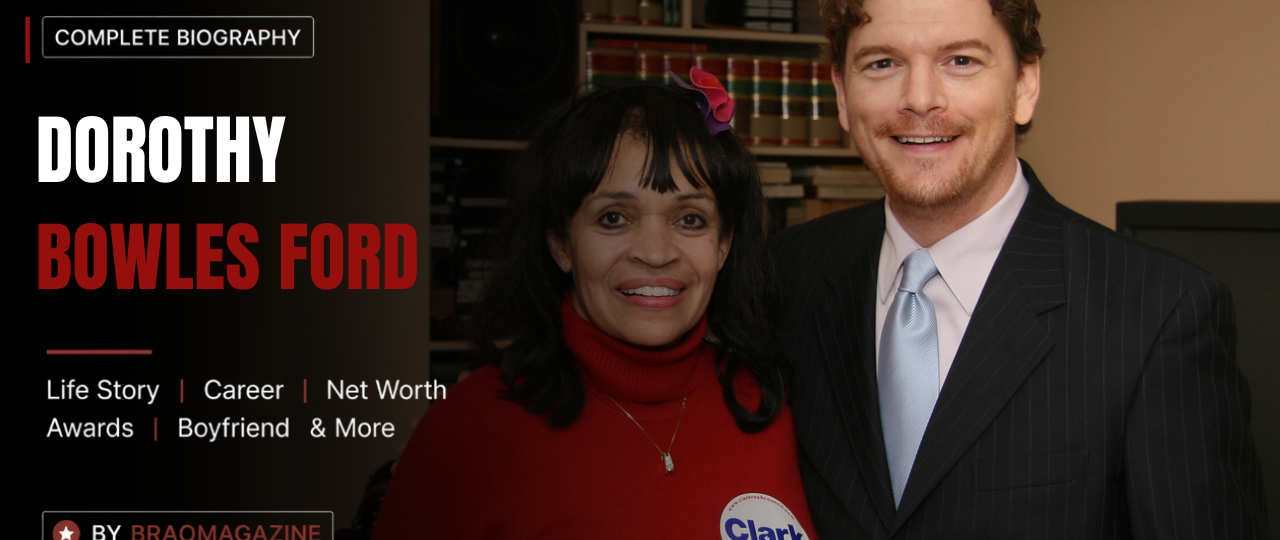

When people search for “Dorothy Bowles Ford ethnicity,” they’re usually looking for more than a simple one-line answer. Curiosity around public figures often begins with family background, but it rarely stops there. In Dorothy Bowles Ford’s case, interest has grown because of her connection to one of America’s most recognizable political families — the Ford family of Tennessee — and especially her son, Harold Ford Jr..
Yet the internet offers surprisingly little detailed information about Dorothy herself. That absence has only fueled more searches, speculation, and online discussions. People want to understand where she comes from, what role she played in the Ford political dynasty, and how her cultural identity shaped the family’s public image.
What makes the story fascinating is that Dorothy Bowles Ford has largely remained outside the spotlight despite being closely connected to American politics for decades. Unlike many political family members who embrace media attention, she maintained a quieter, more private presence. Still, her name continues to surface in biographies, interviews, and public records tied to the Ford family legacy.
This article takes a closer look at Dorothy Bowles Ford’s ethnicity, background, personal life, family history, and cultural significance. It also examines why interest in her identity continues to trend online years after the Ford family became nationally recognized.
Dorothy Bowles Ford Ethnicity
The most widely accepted understanding is that Dorothy Bowles Ford is African American. She became publicly known through her marriage to Harold Ford Sr., a pioneering political figure who made history as the first African American congressman elected from Tennessee in the 20th century.
Although Dorothy Bowles Ford herself has rarely spoken publicly about her ethnic background, numerous biographical references connected to the Ford family identify the family within the African American political and cultural experience in the United States.
Still, part of the public curiosity comes from the fact that detailed documentation about Dorothy’s ancestry has never been widely published. Unlike celebrities who openly discuss genealogy or cultural roots in interviews, Dorothy maintained a relatively reserved profile. Because of that, online searches frequently include questions like:
- “What is Dorothy Bowles Ford’s ethnicity?”
- “Is Dorothy Bowles Ford African American?”
- “Where is Dorothy Bowles Ford from?”
- “What nationality is Dorothy Bowles Ford?”
The lack of direct public commentary from Dorothy herself has created room for speculation, though credible historical associations consistently place her within the African American community connected to the Ford political family.
Who Is Dorothy Bowles Ford?
Dorothy Bowles Ford is best known as the former wife of Harold Ford Sr. and the mother of Harold Ford Jr. Though she was connected to one of Tennessee’s most influential political families, she stayed largely behind the scenes while her husband and son built high-profile careers.
Her public visibility increased as Harold Ford Jr. rose in politics and national media. Over time, people became curious about the family’s roots, especially because the Ford family represented a significant chapter in Black political leadership in the American South.
Quick Biography Table
| Detail | Information |
|---|---|
| Full Name | Dorothy Bowles Ford |
| Known For | Member of the Ford political family |
| Ethnicity | African American |
| Nationality | American |
| Former Spouse | Harold Ford Sr. |
| Children | Harold Ford Jr. and others |
| Public Recognition | Political family association |
| Birthplace | Not widely confirmed publicly |
| Religion | Not publicly documented |
| Media Presence | Limited/private |
Early Life and Family Background
One reason Dorothy Bowles Ford attracts so much online attention is the mystery surrounding her early life. Public records and mainstream biographies provide only limited details about her childhood, education, or upbringing.
That’s unusual in the digital age. Many relatives of political figures eventually become public personalities themselves. Dorothy took a different route. She remained mostly private even while connected to a nationally recognized political family.
Still, understanding the era she came from helps paint a clearer picture.
Dorothy lived through a transformative period in American history, particularly for African American families in the South. The civil rights movement, school integration, and the changing political landscape all shaped the environment surrounding the Ford family’s rise.
Her family background likely influenced the values later associated with the Ford household — education, political awareness, resilience, and community involvement. While many specifics remain unconfirmed publicly, the broader historical context matters when discussing her identity.
The Ford Family Legacy in American Politics
To understand why people search for Dorothy Bowles Ford ethnicity, it helps to understand the significance of the Ford family itself.
Harold Ford Sr. became a groundbreaking political figure in Tennessee during the 1970s. His election represented a major moment in Southern Black political representation after decades of racial barriers in American politics.
Later, Harold Ford Jr. continued that legacy, becoming one of the most recognizable young Democratic politicians of the early 2000s.
The family became symbolic of a new generation of African American political influence in the South. Because Dorothy Bowles Ford was part of that family structure, public interest naturally expanded toward her personal identity and heritage.
Why the Family Drew National Attention
Several factors pushed the Ford family into national conversation:
- Historic political achievements
- Representation of Black leadership in Tennessee
- Media visibility during congressional campaigns
- Harold Ford Jr.’s television appearances and commentary career
- Public fascination with political dynasties
As interest in the family grew, so did curiosity about the people connected to it — including Dorothy Bowles Ford.
Dorothy Bowles Ford and Harold Ford Sr.
Dorothy Bowles Ford’s marriage to Harold Ford Sr. became one of the defining associations of her public identity.
While Harold Ford Sr. handled the visible side of politics, Dorothy reportedly focused more on family life and maintaining stability away from the public eye. Political families often rely heavily on private emotional support systems that the public never fully sees. Observers of American political culture frequently note that spouses and mothers play an enormous role in shaping influential figures behind the scenes.
Although detailed interviews with Dorothy are scarce, her presence within the Ford family structure appears significant.
Marriage and Family Life
The couple raised children during a politically intense period. Public office comes with relentless scrutiny, long working hours, and media pressure. Families connected to politics often experience private sacrifices invisible to voters.
People who study political families often point out that mothers in these environments become anchors of consistency. Dorothy Bowles Ford appears to fit that pattern — a quieter but central figure supporting a highly public family.
Harold Ford Jr. and His Mother’s Influence
Much of the online interest in Dorothy Bowles Ford comes directly from the popularity of her son, Harold Ford Jr..
Harold Ford Jr. gained national attention for several reasons:
- His charismatic speaking style
- His congressional career
- Television appearances
- Political commentary
- Presidential speculation during the 2000s
As his public profile expanded, audiences naturally became curious about his upbringing and family roots.
A Strong Political Household
People close to politics often grow up immersed in conversations about policy, race, leadership, and public service. That environment shapes confidence and public identity from an early age.
Many observers believe the Ford family household emphasized discipline, education, and civic responsibility. While Harold Ford Jr. publicly discusses politics frequently, his mother has remained comparatively private, which ironically increased public curiosity about her.
The contrast is striking. One family member embraces cameras and political debate; another quietly avoids media exposure almost entirely.
That dynamic often fascinates internet audiences.
Why “Dorothy Bowles Ford Ethnicity” Became a Trending Search
Search trends around Dorothy Bowles Ford intensified because modern audiences increasingly research the backgrounds of political families and public figures.
Several factors explain the trend.
1. Interest in Political Family Heritage
People want to understand the cultural and ethnic roots of influential American families. Ethnicity often becomes part of broader conversations about representation, identity, and historical progress.
2. Harold Ford Jr.’s Media Presence
Whenever Harold Ford Jr. appears on television or in political discussions, online searches about his family tend to spike.
3. Limited Public Information
Scarcity creates curiosity. Since Dorothy Bowles Ford rarely gives interviews or public statements, audiences continue searching for details.
4. Genealogy and Ancestry Culture
The popularity of ancestry research websites and family-history content has made people more interested in public figures’ backgrounds than ever before.
Real Age Discussion and Public Curiosity
Another common search topic connected to Dorothy Bowles Ford involves her age.
The reality is that her exact birth date has not been consistently documented in major public biographies. Some websites speculate, but many lack verified sourcing.
That uncertainty reflects a broader issue with older public records, especially involving family members who intentionally stayed outside celebrity culture.
Unlike actors, musicians, or influencers whose birthdays are routinely publicized, Dorothy Bowles Ford belonged to a generation where private individuals could maintain significant anonymity even while connected to famous families.
Interestingly, internet curiosity often grows stronger when details remain unclear. Search behavior shows that mystery itself becomes part of the appeal.
Public Image and Media Presence
Dorothy Bowles Ford has never cultivated celebrity status. That alone separates her from many modern political relatives who build personal brands online.
She does not maintain a known public-facing social media profile, and there are very few widely circulated interviews featuring her directly.
The Power of Privacy
In today’s digital culture, privacy has become increasingly rare. Public audiences are accustomed to constant updates, personal photos, and public statements from people associated with fame.
Dorothy’s low-profile approach almost feels old-fashioned now.
Ironically, that restraint has made her more intriguing to online audiences. People often become more curious about individuals who refuse visibility than those constantly seeking attention.
Cultural Relevance and Representation
The discussion surrounding Dorothy Bowles Ford ethnicity also connects to broader conversations about Black political representation in America.
The Ford family emerged during an important period for African American leadership in Southern politics. Their visibility carried symbolic weight beyond elections alone.
Families like the Fords represented changing possibilities in states historically marked by racial exclusion in politics.
Why Representation Matters
When Harold Ford Sr. entered Congress, it signaled progress that extended beyond one political career. For many African American families, such milestones represented broader cultural change.
Dorothy Bowles Ford’s role within that family structure matters because political legacies are rarely built by public figures alone. Family networks, support systems, and cultural grounding often shape public leadership in powerful ways.
That’s one reason people remain interested in her story even decades later.
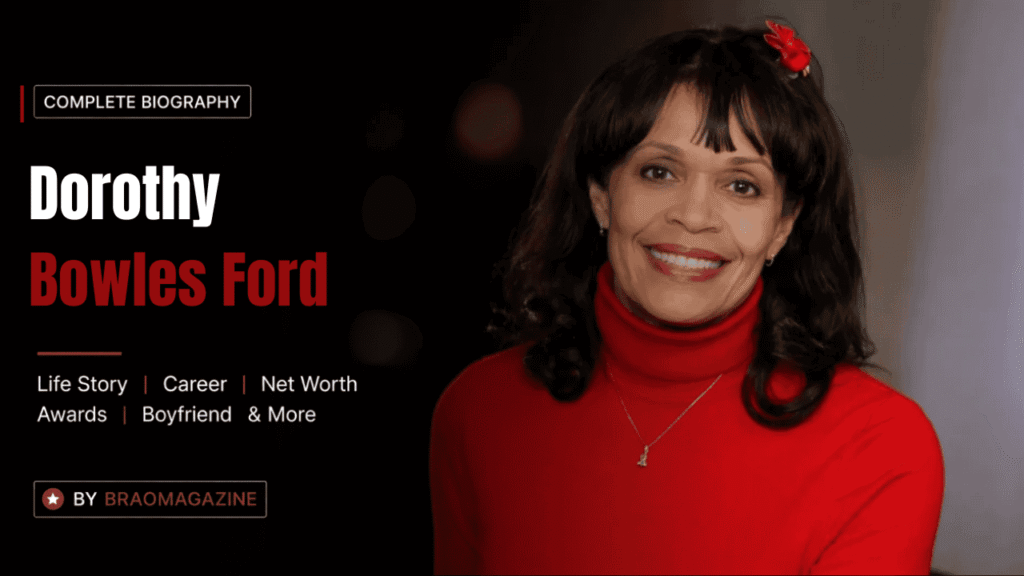
Interesting Facts About Dorothy Bowles Ford
She Maintained Extraordinary Privacy
Despite being connected to nationally recognized politicians, Dorothy revealed very little publicly about her personal life.
Her Name Continues Trending Online
Even years after the height of the Ford family’s political prominence, searches related to Dorothy Bowles Ford ethnicity continue appearing regularly online.
She Helped Raise a Major Political Figure
As the mother of Harold Ford Jr., she contributed to the upbringing of one of the most recognized Democratic political voices of his generation.
Limited Photos Increase Curiosity
Only a relatively small number of publicly circulated images of Dorothy exist online, which further adds to public intrigue.
Internet Speculation vs Verified Information
One challenge with topics like Dorothy Bowles Ford ethnicity is separating factual information from assumptions circulating online.
Some websites publish speculative claims without evidence. Others repeat unverified details copied from older blogs or forums.
A responsible approach requires acknowledging what is publicly confirmed versus what remains uncertain.
What Appears Consistently Supported
- Dorothy Bowles Ford is associated with the African American Ford political family.
- She was married to Harold Ford Sr.
- She is the mother of Harold Ford Jr.
- She maintained a largely private public identity.
What Remains Less Publicly Documented
- Detailed ancestry records
- Exact birth information
- Extensive interviews about personal heritage
- Public personal statements about ethnicity
That distinction matters because internet misinformation often spreads quickly around public figures connected to politics or celebrity families.
The Internet’s Fascination With Political Mothers
There’s another layer to this story that often goes unnoticed.
American audiences have long been fascinated by the mothers of influential public figures. From presidents to entertainers to athletes, people frequently search for the family members who shaped their personalities behind closed doors.
Political mothers especially attract attention because they’re often viewed as foundational influences on leadership qualities, discipline, and communication style.
Dorothy Bowles Ford fits that pattern closely.
Even without constant public appearances, her connection to a nationally recognized political family keeps public curiosity alive.
Timeline of the Ford Family Public Rise
| Year | Event |
|---|---|
| 1974 | Harold Ford Sr. elected to Congress |
| 1980s | Ford family influence expands in Tennessee politics |
| 1990s | Harold Ford Jr. rises in public visibility |
| 1997 | Harold Ford Jr. enters Congress |
| 2000s | National media attention on Ford family grows |
| Later Years | Continued online interest in family background and ethnicity |
Social Media and Online Discussions
Although Dorothy Bowles Ford herself is not publicly active online, discussions about her frequently appear across:
- Political discussion forums
- Celebrity biography websites
- Social media threads
- Genealogy searches
- YouTube political commentary sections
The modern internet tends to revisit political families repeatedly, especially those connected to cultural milestones or historic firsts.
That ongoing digital conversation keeps interest in Dorothy Bowles Ford ethnicity alive even among younger audiences who may not remember the Ford family’s peak political years firsthand.
Net Worth Discussions and Public Interest
Another common search trend involves Dorothy Bowles Ford’s net worth.
There is no verified public estimate specifically tied to her personal finances. Most online discussions instead focus on the broader Ford family’s political prominence and professional success.
It’s important to separate confirmed information from speculative celebrity-style reporting. Unlike entertainers or business moguls, political family members often do not disclose extensive financial details publicly unless required through official filings.
As a result, many websites offering precise estimates are largely speculative rather than evidence-based.
The Broader Meaning Behind Ethnicity Searches
Searches about ethnicity aren’t always about appearance alone. Often, they reflect deeper curiosity about identity, representation, and cultural history.
In Dorothy Bowles Ford’s case, the search trend reflects several overlapping interests:
- Black political history
- Southern political transformation
- Family legacy
- Public curiosity about influential mothers
- The intersection of privacy and fame
There’s also a modern tendency to humanize public figures by understanding where they come from culturally and personally.
That’s why even relatively private individuals connected to famous families continue attracting attention online.
Future Public Interest in Dorothy Bowles Ford
Interest in Dorothy Bowles Ford is unlikely to disappear anytime soon.
Political family legacies often remain culturally relevant long after active campaigns end. As long as Harold Ford Jr. remains visible in media and political commentary, people will continue searching for information about the family behind him.
Future documentaries, interviews, or political retrospectives could easily renew attention surrounding Dorothy Bowles Ford ethnicity and family background.
And because detailed public information remains limited, online curiosity may actually continue growing over time.
Conclusion: Why Dorothy Bowles Ford’s Story Still Resonates
Dorothy Bowles Ford may not be a celebrity in the traditional sense, but her story remains deeply connected to an important chapter of American political and cultural history.
Her ethnicity, widely understood to be African American, ties into the larger narrative of Black political progress in the American South and the rise of the influential Ford family. Yet what makes her especially fascinating is the balance between visibility and mystery. She was close to power and public attention, but never fully stepped into the spotlight herself.
That quiet presence has created lasting curiosity. People searching for “Dorothy Bowles Ford ethnicity” are often searching for something larger too — family legacy, cultural identity, political history, and the untold stories behind public figures.
Sometimes the most intriguing people in public history are the ones who spoke the least.
FAQ: Dorothy Bowles Ford Ethnicity
What is Dorothy Bowles Ford’s ethnicity?
Dorothy Bowles Ford is generally understood to be African American based on public associations with the Ford political family and historical biographical references.
Why is Dorothy Bowles Ford famous?
She is known primarily as the former wife of Harold Ford Sr. and the mother of Harold Ford Jr., both prominent American political figures.
Is Dorothy Bowles Ford related to Harold Ford Jr.?
Yes. Dorothy Bowles Ford is the mother of Harold Ford Jr..
Is Dorothy Bowles Ford active on social media?
There are no widely recognized public social media accounts associated with Dorothy Bowles Ford.
Why do people search for Dorothy Bowles Ford ethnicity?
Public interest stems from curiosity about the Ford family’s heritage, Black political history, and the personal background of influential political relatives.
Was Dorothy Bowles Ford involved in politics herself?
She is not widely known for holding political office personally. Her public recognition comes mainly through her connection to the Ford political family.
What nationality is Dorothy Bowles Ford?
She is American.
Is Dorothy Bowles Ford still alive?
Publicly available information has not widely documented recent updates about her private life, and reliable confirmations remain limited.