

Blockchain technology has evolved far beyond Bitcoin and Ethereum. Today, users interact with dozens of networks for decentralized finance (DeFi), NFTs, gaming, staking, and Web3 applications. While this multi-chain ecosystem creates exciting opportunities, it also introduces a common challenge: manually configuring blockchain networks inside MetaMask.
If you’ve searched for “Chainlist MetaMask Techedubyte,” you’re likely looking for a simple, trustworthy way to add blockchain networks to MetaMask without manually entering RPC URLs, Chain IDs, and other technical details. Many users discover this phrase through tutorials published by technology websites, including Techedubyte, that explain how Chainlist simplifies the entire process.
This guide explores what Chainlist is, how it works with MetaMask, why Techedubyte tutorials are frequently referenced, and what every crypto user should understand before connecting a wallet to any blockchain network. Whether you’re a beginner creating your first wallet or an experienced DeFi participant exploring new ecosystems, understanding these tools can help you avoid common mistakes while improving both convenience and security.
What Is Chainlist?
Chainlist is a community-maintained directory of blockchain networks designed to simplify the process of adding compatible networks to cryptocurrency wallets such as MetaMask.
Instead of manually searching for technical network information—including:
- RPC URL
- Chain ID
- Currency symbol
- Block explorer
- Network name
users can select a network from Chainlist and add it to MetaMask with only a few clicks.
The platform has become popular because many Ethereum Virtual Machine (EVM)-compatible blockchains require users to configure these settings before interacting with decentralized applications (dApps). Chainlist automates much of this process, reducing the likelihood of configuration errors.
Unlike wallet software, Chainlist doesn’t store cryptocurrency or private keys. Its primary function is to provide verified network configuration data that wallets can import after receiving user approval.
Understanding MetaMask
MetaMask is one of the world’s most widely used cryptocurrency wallets for interacting with Ethereum and other EVM-compatible blockchain networks.
Originally released as a browser extension, MetaMask has grown into a comprehensive wallet ecosystem supporting desktop browsers and mobile devices. It enables users to:
- Store digital assets
- Connect to decentralized applications
- Swap supported cryptocurrencies
- Manage NFTs
- Participate in decentralized finance
- Interact with smart contracts
- Access multiple blockchain ecosystems
One of MetaMask’s greatest strengths is its flexibility. Users aren’t limited to Ethereum—they can also connect to numerous compatible blockchains once those networks are added to the wallet.
This is where Chainlist becomes especially useful.
What Does “Chainlist MetaMask Techedubyte” Mean?
The phrase “Chainlist MetaMask Techedubyte” is not the name of a software product or blockchain service. Instead, it represents a search query commonly used by people looking for guidance on using Chainlist with MetaMask, often after encountering tutorials or blog posts published by Techedubyte.
In many cases, users search this exact phrase because:
- They read a Techedubyte tutorial explaining Chainlist.
- They want to reconnect to that guide.
- They’re troubleshooting MetaMask network issues.
- They’re looking for instructions on adding blockchain networks safely.
Rather than referring to a separate application, the phrase combines three distinct elements:
| Term | Meaning |
|---|---|
| Chainlist | A directory for blockchain network configurations |
| MetaMask | A cryptocurrency wallet supporting EVM networks |
| Techedubyte | A technology website that publishes educational tutorials |
Understanding this distinction helps avoid confusion, particularly for beginners who may assume “Chainlist MetaMask Techedubyte” is a standalone application.
Why Multi-Chain Wallet Support Matters
Only a few years ago, most decentralized applications operated exclusively on Ethereum. As blockchain adoption expanded, developers began launching alternative networks offering faster transaction speeds and lower fees.
Today, users regularly switch between networks such as:
- BNB Smart Chain
- Polygon
- Avalanche
- Arbitrum
- Optimism
- Base
- Fantom
- Linea
- Scroll
- Sonic
- Cronos
Each blockchain requires MetaMask to recognize its unique network settings before users can send transactions or interact with decentralized applications.
Without tools like Chainlist, users would need to manually copy network information from official documentation—a process that can be confusing for newcomers and prone to human error.
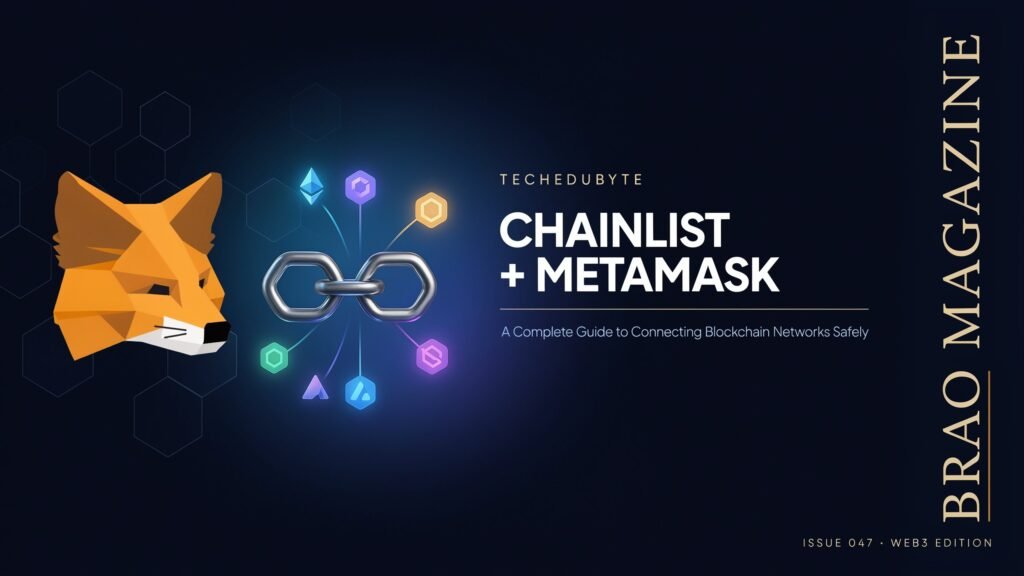
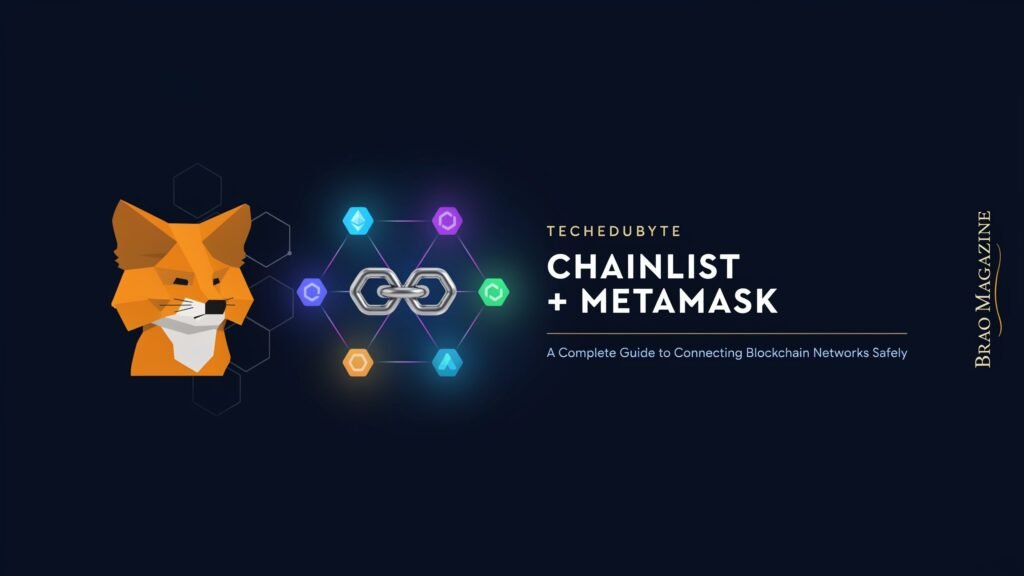
Image Suggestion: Diagram illustrating MetaMask connecting to multiple blockchain networks through Chainlist.
Alt Text: Multi-chain ecosystem showing MetaMask connected to Ethereum, Polygon, BNB Smart Chain, Arbitrum, and Avalanche using Chainlist.
Why People Search for Chainlist MetaMask Techedubyte
Search intent plays a significant role in understanding this keyword. Most users entering this phrase into Google aren’t conducting academic research—they’re trying to solve a practical problem.
Common user goals include:
Adding a New Blockchain Network
Many users have downloaded MetaMask but don’t know how to connect networks beyond Ethereum.
Chainlist offers a quicker alternative to entering network information manually.
Fixing Connection Problems
Sometimes a decentralized application asks users to switch networks.
If the required blockchain isn’t already installed in MetaMask, users often search for tutorials explaining how to add it.
Verifying Network Information
Security-conscious crypto users prefer confirming that they’re using legitimate RPC endpoints rather than copying information from unknown websites.
Chainlist helps centralize publicly available network information while allowing users to verify details before approving any changes.
Learning About Blockchain Networks
Some users are simply exploring newer ecosystems like Base or Arbitrum and want to understand how MetaMask connects with them.
Educational websites often publish beginner-friendly walkthroughs explaining this process.
How Chainlist Works with MetaMask
At its core, Chainlist acts as a bridge between publicly available blockchain configuration data and MetaMask’s network management system.
The workflow is surprisingly straightforward.
Connect Your Wallet
Users visit Chainlist and connect MetaMask through the browser.
The wallet requests permission to establish a connection.
Importantly, connecting a wallet does not give Chainlist access to private keys or funds.
Search for a Blockchain
Chainlist includes hundreds of supported EVM-compatible networks.
Users search by:
- Blockchain name
- Chain ID
- Network keyword
Popular networks usually appear at the top of search results.
Review Network Information
Before adding a network, users can inspect details such as:
- Chain ID
- Native currency
- RPC endpoint
- Explorer URL
Reviewing these details helps reduce mistakes and encourages safer wallet management.
Add the Network
Clicking “Add to MetaMask” prompts the wallet to display a confirmation window.
MetaMask lists:
- Network name
- Chain ID
- RPC URL
- Currency symbol
- Explorer
The user must manually approve the request.
This approval process ensures no website can silently modify wallet settings.
Begin Using the Network
Once approved, MetaMask switches to the selected blockchain.
Users can now:
- Visit compatible decentralized applications.
- Send supported assets.
- Interact with smart contracts.
- Bridge tokens.
- Participate in DeFi protocols.
- Mint NFTs.
The entire process usually takes less than a minute.
Why Manual Network Setup Can Be Challenging
Although MetaMask supports manual network configuration, beginners often encounter several obstacles.
Some of the most common include:
| Challenge | Why It Happens |
|---|---|
| Incorrect Chain ID | Copying outdated documentation or making typing errors |
| Invalid RPC URL | Using unofficial or broken endpoints |
| Wrong currency symbol | Confusion between similar blockchain ecosystems |
| Missing explorer URL | Prevents easy transaction lookup |
| Fake tutorials | Risk of phishing or malicious RPC endpoints |
Because blockchain transactions are irreversible, even small configuration mistakes can create confusion or expose users to unnecessary risk. Using trusted sources and carefully reviewing network details before approval is an important best practice.
Is Chainlist Safe to Use?
Safety is one of the first concerns users have when connecting any website to a cryptocurrency wallet.
Chainlist is widely used within the Ethereum ecosystem because it simplifies adding EVM-compatible networks, but users should still exercise caution. Before approving a new network in MetaMask, verify that the displayed RPC URL, Chain ID, and network name match information published by the blockchain project’s official documentation whenever possible.
It’s also worth remembering that connecting a wallet to a website is different from granting spending permissions. Adding a network does not authorize token transfers or provide access to your private keys. Even so, always double-check every wallet prompt and avoid interacting with unofficial or lookalike websites designed to imitate trusted services.
Step-by-Step Setup, Features, Benefits, Drawbacks, Security, and Best Practices
How to Add a Blockchain Network to MetaMask Using Chainlist
One of Chainlist’s biggest advantages is that it removes much of the manual work involved in configuring MetaMask. Instead of copying technical information line by line, users can import verified network details through a guided process.
While the interface is straightforward, understanding what happens behind the scenes helps you make safer decisions. Install and Set Up MetaMask
Before using Chainlist, you’ll need a working MetaMask wallet.
If you’re creating a wallet for the first time:
- Download MetaMask from the official source.
- Create a new wallet.
- Write down your Secret Recovery Phrase on paper.
- Never store your recovery phrase in screenshots, cloud storage, or email.
- Set a strong password for local device protection.
Your wallet should already be functioning before attempting to add additional blockchain networks.
Visit Chainlist
Open Chainlist in your browser.
You’ll see a searchable directory containing hundreds of EVM-compatible blockchain networks.
The homepage typically includes:
- Search bar
- Verified network listings
- Chain IDs
- RPC information
- Network popularity indicators
At this stage, nothing has been added to your wallet yet.
Connect Your MetaMask Wallet
Click Connect Wallet.
MetaMask opens a permission window asking whether you’d like to connect.
Review:
- Website URL
- Requested permissions
- Selected wallet account
After approval, Chainlist can recognize your wallet connection but cannot move your funds.
Search for the Desired Blockchain
Use the search bar to locate the network you need.
Examples include:
- Ethereum
- Polygon
- BNB Smart Chain
- Arbitrum One
- Base
- Optimism
- Avalanche C-Chain
- Fantom Opera
- Linea
- Scroll
Searching by Chain ID also works if you already know the network identifier.
Verify the Network Details
Before clicking Add to MetaMask, inspect the available information.
Check that the following matches the official blockchain documentation:
| Network Detail | Why It Matters |
|---|---|
| Network Name | Confirms you’re selecting the correct blockchain |
| Chain ID | Prevents wallet configuration errors |
| RPC URL | Ensures you’re connecting to the intended node |
| Native Currency | Displays balances correctly |
| Explorer URL | Allows transaction verification |
Experienced crypto users always spend a few extra seconds reviewing these details instead of approving requests automatically.
Approve the Network in MetaMask
When you select Add to MetaMask, your wallet opens a confirmation screen.
MetaMask displays:
- Network Name
- Chain ID
- Currency Symbol
- RPC Endpoint
- Block Explorer
Nothing changes until you manually approve.
This approval mechanism is one of MetaMask’s important security protections.
Switch Networks
After approval, MetaMask offers the option to switch immediately.
Once switched, the wallet begins interacting with the selected blockchain instead of Ethereum.
From this point onward, compatible decentralized applications can recognize the new network.
Popular Blockchain Networks Available Through Chainlist
Chainlist supports hundreds of EVM-compatible blockchains.
Some of the most commonly added networks include:
| Blockchain | Primary Use Case |
|---|---|
| Ethereum | Smart contracts and DeFi |
| BNB Smart Chain | Low-cost DeFi and gaming |
| Polygon | Scalable Ethereum applications |
| Arbitrum One | Layer-2 scaling |
| Optimism | Ethereum Layer-2 ecosystem |
| Base | Coinbase-supported Layer-2 network |
| Avalanche C-Chain | DeFi and enterprise applications |
| Fantom Opera | High-speed smart contracts |
| Cronos | Crypto.com ecosystem |
| Linea | Ethereum scaling |
| Scroll | zkEVM applications |
| Sonic | High-performance DeFi infrastructure |
The list continues growing as new EVM-compatible ecosystems launch.
Key Features of Chainlist
Although Chainlist appears simple on the surface, it provides several features that make blockchain onboarding significantly easier.
1. Community-Maintained Network Directory
Rather than requiring users to search multiple documentation pages, Chainlist centralizes publicly available blockchain configuration information.
This saves time while reducing manual typing errors.
2. One-Click MetaMask Integration
Perhaps the platform’s most recognizable feature is its ability to add supported networks directly into MetaMask after user approval.
Instead of copying several technical values, users simply confirm the wallet request.
3. Large Network Library
The platform supports hundreds of EVM-compatible networks.
As blockchain ecosystems continue expanding, new chains frequently become available.
4. Search by Name or Chain ID
Users can locate networks using:
- Network name
- Chain ID
- Partial keywords
This is especially useful when working with newer blockchains.
5. Open Community Contributions
Many blockchain communities submit or update network information.
This collaborative model helps keep listings current, although users should still verify important details independently.
Advantages of Using Chainlist
Chainlist has become popular for several practical reasons.
Faster Network Setup
Adding a blockchain takes seconds rather than several minutes of manual configuration.
Reduced Human Error
Typing mistakes in RPC URLs or Chain IDs are surprisingly common.
Automating these fields minimizes configuration problems.
Beginner Friendly
New cryptocurrency users often find blockchain terminology overwhelming.
Chainlist simplifies the experience without hiding important information.
Supports Rapidly Growing Ecosystems
As new Layer-2 solutions emerge, users can usually access them without waiting for wallet software updates.
Improved Convenience
Managing multiple blockchain networks becomes significantly easier.
Instead of repeatedly entering technical values, users approve standardized requests.
Potential Limitations
Despite its convenience, Chainlist isn’t perfect.
Understanding its limitations helps set realistic expectations.
Network Information May Change
Blockchain projects occasionally update RPC endpoints.
Although Chainlist aims to remain current, official documentation should always be considered the ultimate reference.
Community Contributions Require Verification
Since many listings originate from community submissions, users should verify unfamiliar networks before approving them.
Blind trust is never recommended in cryptocurrency.
EVM Compatibility Only
Chainlist focuses on Ethereum-compatible networks.
Non-EVM ecosystems generally require different wallet software.
Doesn’t Protect Against Scams
Chainlist simplifies configuration—but users remain responsible for:
- Avoiding phishing websites
- Protecting recovery phrases
- Reviewing wallet permissions
- Confirming transaction details
No network directory can replace good security habits.
Chainlist vs Manual Network Configuration
| Feature | Chainlist | Manual Setup |
|---|---|---|
| Speed | Excellent | Slower |
| Beginner Friendly | Yes | Moderate |
| Typing Required | Minimal | Extensive |
| Risk of Typing Errors | Low | Higher |
| Verification Needed | Yes | Yes |
| Supports Many Networks | Yes | Yes |
Manual configuration still has its place, particularly when developers are testing custom networks.
However, for everyday users, Chainlist provides a smoother experience.
Common Mistakes Beginners Make
Even with tools like Chainlist, mistakes still happen.
Here are the most frequent ones.
Connecting to Fake Websites
Scammers often imitate legitimate crypto services.
Always double-check the website address before connecting your wallet.
Ignoring Wallet Prompts
Many users approve MetaMask requests without reading them.
Every approval window should be reviewed carefully.
Assuming Every RPC Is Safe
Different RPC providers may have varying privacy practices and performance levels.
Whenever possible, compare RPC details with official blockchain documentation.
Confusing Networks
Some blockchain names sound similar.
Always verify:
- Chain ID
- Currency
- Explorer
- RPC endpoint
before approving.
Sharing Recovery Phrases
No legitimate support representative, website, wallet provider, or blockchain project should ever request your Secret Recovery Phrase.
Anyone asking for it is attempting to compromise your wallet.
Security Best Practices
Convenience should never replace security.
Experienced cryptocurrency users follow several habits consistently.
Bookmark Trusted Websites
Avoid searching for wallet tools every time.
Bookmarks reduce the likelihood of landing on phishing websites.
Verify RPC Information
If you’re adding an unfamiliar blockchain, compare the displayed network information with the project’s official documentation.
Keep MetaMask Updated
Wallet updates frequently include:
- Security improvements
- Compatibility enhancements
- Bug fixes
Running outdated software increases unnecessary risk.
Use Hardware Wallets for Large Holdings
If you’re managing significant cryptocurrency assets, consider connecting MetaMask to a hardware wallet.
This keeps private keys offline while allowing interaction with decentralized applications.
Review Connected Websites
Periodically inspect which websites have permission to connect with your wallet.
Disconnect services you no longer use.
Be Skeptical of Unexpected Requests
If a website suddenly asks to:
- Import your wallet
- Reveal your recovery phrase
- Approve unlimited token spending
stop immediately and investigate further.
These requests often indicate phishing attempts or malicious smart contracts.
Best Practices for Managing Multiple Networks
As users become more active in Web3, it’s common to interact with several blockchains in the same week. A few organizational habits can make that experience smoother.
- Keep only the networks you actively use in MetaMask to reduce clutter.
- Label wallet accounts if you separate assets for trading, staking, or testing.
- Confirm you’re on the correct network before sending tokens, as assets sent to the wrong chain may not appear where expected.
- Check gas fees before confirming transactions, since costs vary widely between networks.
- Stay informed about official announcements from blockchain projects, especially when networks undergo upgrades or change infrastructure.
These simple practices help minimize confusion and reduce the chance of avoidable mistakes.
Real-World Applications, Alternatives, Future Outlook, FAQs, and SEO Assets
Real-World Use Cases of Chainlist with MetaMask
Chainlist is more than just a convenience tool. It plays an important role in helping users navigate today’s increasingly multi-chain blockchain ecosystem. Whether you’re a beginner experimenting with decentralized applications or a seasoned crypto enthusiast managing assets across several networks, quick access to reliable network configurations can save time and reduce errors.
Below are some of the most common scenarios where Chainlist proves valuable.
1. Exploring Decentralized Finance (DeFi)
Many DeFi protocols operate on networks beyond Ethereum due to lower transaction fees and improved scalability.
After adding the required blockchain through Chainlist, users can:
- Swap cryptocurrencies
- Provide liquidity
- Stake digital assets
- Borrow and lend tokens
- Participate in yield farming
Without the correct network configuration, these platforms may not function properly within MetaMask.
2. Accessing NFT Marketplaces
NFT ecosystems have expanded well beyond Ethereum. Many collections are now launched on Polygon, Base, Avalanche, and other EVM-compatible networks.
Adding these networks allows collectors to:
- Mint NFTs
- Buy and sell digital collectibles
- View NFT assets
- Connect to marketplace applications
The process becomes much smoother when network settings are imported correctly.
3. Blockchain Gaming
Modern Web3 games often operate on dedicated blockchain networks optimized for faster transactions and lower costs.
Players frequently need to:
- Connect MetaMask
- Switch blockchain networks
- Purchase in-game assets
- Claim rewards
- Interact with gaming marketplaces
Chainlist reduces the setup time, allowing players to focus on the gaming experience rather than technical configuration.
4. Token Bridging
Moving assets between blockchain networks has become increasingly common.
For example, a user may transfer tokens from Ethereum to a Layer-2 network to reduce transaction costs.
Before interacting with bridge applications, MetaMask must recognize both the source and destination networks.
Chainlist simplifies this preparation.
5. Testing New Blockchain Projects
Developers and blockchain enthusiasts regularly explore emerging ecosystems.
Instead of manually entering network settings each time, they can quickly add compatible chains and begin testing decentralized applications, wallets, or smart contracts.
Who Should Use Chainlist?
Chainlist is suitable for a wide range of blockchain users, but its value differs depending on experience level.
| User Type | Why Chainlist Is Helpful |
|---|---|
| Beginners | Simplifies network setup and reduces manual errors |
| DeFi Users | Makes switching between supported networks faster |
| NFT Collectors | Enables access to multiple blockchain marketplaces |
| Web3 Gamers | Helps connect to gaming-focused blockchain ecosystems |
| Developers | Speeds up testing across EVM-compatible chains |
| Crypto Investors | Simplifies management of assets on multiple networks |
Chainlist Alternatives
Although Chainlist is one of the most widely recognized tools for adding blockchain networks, it is not the only option. Depending on your needs, several alternatives may be worth considering.
1. Manual Configuration
Some experienced users prefer entering network details themselves.
Advantages
- Complete control
- No third-party directory required
- Useful for private or custom networks
Disadvantages
- Time-consuming
- Higher chance of typing mistakes
- Requires technical knowledge
2. Official Blockchain Documentation
Many blockchain projects publish their own MetaMask setup instructions.
Advantages
- Usually the most authoritative source
- Often includes updated RPC endpoints
- Provides additional technical guidance
Disadvantages
- Documentation quality varies
- Some guides are written for developers rather than beginners
3. WalletConnect-Enabled Applications
Some decentralized applications automatically request network switching when a compatible wallet is connected.
Advantages
- Convenient
- Requires fewer manual steps
Disadvantages
- Limited to supported applications
- Doesn’t replace general network management
Chainlist vs Other Network Management Methods
| Feature | Chainlist | Manual Setup | Official Docs |
|---|---|---|---|
| Beginner Friendly | Excellent | Moderate | Moderate |
| Speed | Very Fast | Slow | Moderate |
| Risk of Typing Errors | Low | High | Medium |
| Technical Knowledge Needed | Low | High | Medium |
| Best For | Everyday users | Developers | Verification |
Expert Tips for Safer Multi-Chain Wallet Management
As the blockchain ecosystem continues to expand, managing multiple networks responsibly becomes increasingly important. The following practices are widely recommended by experienced users and security professionals.
Keep Your Wallet Organized
If you frequently switch between networks, consider creating separate wallet accounts for different purposes, such as:
- Daily transactions
- Long-term investments
- NFT collections
- Testing new projects
This can help reduce confusion and make asset management easier.
Verify Before You Approve
Never approve a wallet request simply because it appears familiar.
Always confirm:
- Network name
- Chain ID
- Website address
- Transaction details
A few extra seconds of review can prevent costly mistakes.
Monitor Connected Applications
Over time, many users forget which decentralized applications have access to their wallet.
Regularly review and revoke unnecessary permissions to minimize exposure.
Stay Informed
Blockchain ecosystems evolve quickly. Networks may upgrade infrastructure, introduce new RPC endpoints, or deprecate older services.
Following official project announcements helps ensure you’re using accurate and up-to-date information.
Common Misconceptions About Chainlist
Despite its popularity, several misunderstandings persist.
“Chainlist Stores My Cryptocurrency”
It does not.
Your cryptocurrency remains in your wallet, not on Chainlist.
“Connecting My Wallet Gives Away My Private Keys”
False.
Connecting a wallet allows a website to interact with your public wallet address after your approval. Your private keys and Secret Recovery Phrase remain under your control unless you voluntarily disclose them.
“Every Listed Network Is Automatically Safe”
Not necessarily.
While Chainlist is widely used, users should still verify network details and rely on official blockchain documentation whenever possible.
“Adding a Network Means Approving Transactions”
No.
Adding a blockchain network simply enables MetaMask to communicate with that blockchain.
Every transaction still requires its own approval.
The Future of Chainlist and Multi-Chain Wallets
The blockchain industry continues moving toward a future where users interact with many networks rather than relying on a single blockchain.
Several trends are shaping this evolution.
Greater Layer-2 Adoption
Ethereum scaling solutions continue attracting developers due to lower fees and faster transaction processing.
As these ecosystems mature, users will likely manage more Layer-2 networks within MetaMask.
Improved Wallet Automation
Future wallet software may automatically detect supported blockchain networks without requiring manual setup.
While tools like Chainlist remain valuable today, wallet experiences are expected to become even more seamless.
Better Security Features
Wallet developers are investing heavily in:
- Transaction simulation
- Scam detection
- Permission management
- Improved phishing protection
These improvements aim to reduce user error while maintaining decentralization.
Cross-Chain Experiences
The distinction between individual blockchains may gradually become less noticeable to everyday users.
Applications are increasingly designed to abstract network complexity, allowing users to focus on functionality rather than infrastructure.
Frequently Asked Questions
1. What is Chainlist used for?
Chainlist helps users add EVM-compatible blockchain networks to MetaMask and other supported wallets without manually entering network configuration details.
2. Is Chainlist free?
Yes. Users can browse supported blockchain networks and add them to compatible wallets without paying a fee. Standard blockchain transaction fees may still apply when interacting with networks.
3. Does Chainlist support every blockchain?
No. Chainlist primarily focuses on Ethereum Virtual Machine (EVM)-compatible networks. Blockchains that use different architectures generally require separate wallet solutions.
4. Can I remove a network after adding it?
Yes. MetaMask allows users to remove or hide many custom networks through its network management settings.
5. Is manually adding a network safer?
Neither approach is inherently safer. The important factor is verifying that the network information comes from a trustworthy source and reviewing every approval request carefully.
6. Why can’t I find a specific blockchain on Chainlist?
Some newer or less common networks may not be listed immediately. In such cases, refer to the project’s official documentation for configuration details.
7. Does Chainlist have access to my funds?
No. Connecting your wallet does not give Chainlist control over your assets or private keys.
8. Can beginners use Chainlist?
Absolutely. In fact, many newcomers find it much easier than manually configuring blockchain networks, provided they understand the importance of verifying network information.
Final Thoughts
As blockchain technology expands beyond a single network, tools that simplify wallet management have become increasingly valuable. Chainlist fills an important role by making it easier to add EVM-compatible networks to MetaMask, helping users save time while reducing the risk of manual configuration errors.
The search phrase “Chainlist MetaMask Techedubyte” often reflects a desire for clear, beginner-friendly guidance on this process. While tutorials and directories can make onboarding more convenient, users should remember that security remains a shared responsibility. Verifying network details, protecting wallet credentials, and relying on official project documentation whenever possible are habits that matter far more than any single tool.
Whether you’re exploring decentralized finance, collecting NFTs, testing blockchain applications, or simply learning about Web3, understanding how Chainlist and MetaMask work together provides a stronger foundation for navigating the multi-chain ecosystem with confidence.