


Few heavyweight boxers have experienced a career quite like Peter McNeeley. For some fans, his name instantly brings back memories of the electric atmosphere surrounding Mike Tyson’s return to professional boxing in 1995. Others remember him as a fearless fighter who never backed away from a challenge, regardless of the odds. Yet beyond that iconic moment lies a much broader story—one involving family tradition, determination, financial highs and lows, and a career that continues to spark curiosity decades later.
Interest in Peter McNeeley net worth has grown steadily as boxing fans revisit memorable heavyweight eras and search for updates on former fighters. Unlike many modern athletes whose finances are documented through endorsement deals and social media, McNeeley’s financial story is far less straightforward. His wealth has been shaped primarily by professional boxing purses, public appearances, and the lasting recognition earned from one of the most-watched fights in heavyweight history.
Understanding his net worth requires looking beyond a single payday. It means examining the career that brought him into the spotlight, the opportunities that followed, and the realities faced by many professional boxers after the cameras stop rolling.
This first part explores Peter McNeeley’s background, his family roots in boxing, how he developed into a professional heavyweight, and the journey that eventually placed him opposite Mike Tyson on one of boxing’s biggest stages.
Peter McNeeley Biography
| Full Name | Peter McNeeley |
|---|---|
| Nickname | The Hurricane |
| Date of Birth | October 6, 1968 |
| Age | 57 (as of 2026) |
| Birthplace | Medfield, Massachusetts, United States |
| Nationality | American |
| Profession | Former Professional Boxer |
| Division | Heavyweight |
| Height | Approximately 6 ft 2 in (188 cm) |
| Reach | Around 78 inches |
| Father | Tom McNeeley (Former Heavyweight Boxer) |
| Professional Debut | 1991 |
| Best Known For | Fighting Mike Tyson in Tyson’s comeback bout (1995) |
| Years Active | 1991–2001 |
A Boxing Legacy Began at Home
Long before Peter McNeeley stepped under the bright lights of international boxing, the sport was already part of his family’s identity.
His father, Tom McNeeley, was a respected heavyweight boxer who fought during one of boxing’s most competitive eras. Tom’s biggest moment came in 1961 when he challenged Floyd Patterson for the world heavyweight championship. Although he lost that fight, his willingness to compete against the very best left a lasting impression on boxing fans in New England.
Growing up around that environment meant Peter understood boxing from an early age. Conversations about training, discipline, preparation, and championship ambition weren’t unusual—they were everyday life.
Unlike athletes who discover sports later, McNeeley was raised in a household where boxing represented both opportunity and responsibility.
Early Life and Childhood
Peter McNeeley was born on October 6, 1968, in Medfield, Massachusetts, a town not typically associated with producing heavyweight contenders.
Despite growing up in suburban Massachusetts, his childhood was heavily influenced by athletics. Football, physical conditioning, and boxing all played important roles during his formative years.
Friends and trainers often described him as energetic and naturally aggressive in competition. Those characteristics would later become defining features of his boxing style.
His upbringing also instilled a blue-collar work ethic. Rather than relying on flashy techniques, McNeeley developed a straightforward approach built around pressure, stamina, and relentless offense.
That mentality helped shape the fighter fans would eventually know as “The Hurricane.”
How Old Is Peter McNeeley?
As of 2026, Peter McNeeley is 57 years old.
Age remains one of the most searched aspects of his biography because younger boxing fans often discover his name through historical Tyson documentaries or classic fight footage.
Although retired from professional competition for many years, McNeeley’s legacy continues through interviews, documentaries, podcasts, and discussions surrounding heavyweight boxing history.
His age also highlights an interesting point: the fighters who dominated headlines during the early 1990s now represent an important chapter in modern boxing history rather than the current generation.
Growing Up Under High Expectations
Being the son of a heavyweight contender brought advantages—but it also created expectations.
Peter wasn’t simply another amateur boxer trying to build a career. Many people naturally compared him with his father from the beginning.
Those comparisons motivated him but also created pressure. Every victory, every loss, and every career decision carried additional attention because of the McNeeley family name.
Rather than avoiding those expectations, Peter embraced them.
He frequently spoke about honoring his family’s boxing tradition while creating his own identity inside the ring.
Discovering His Fighting Style
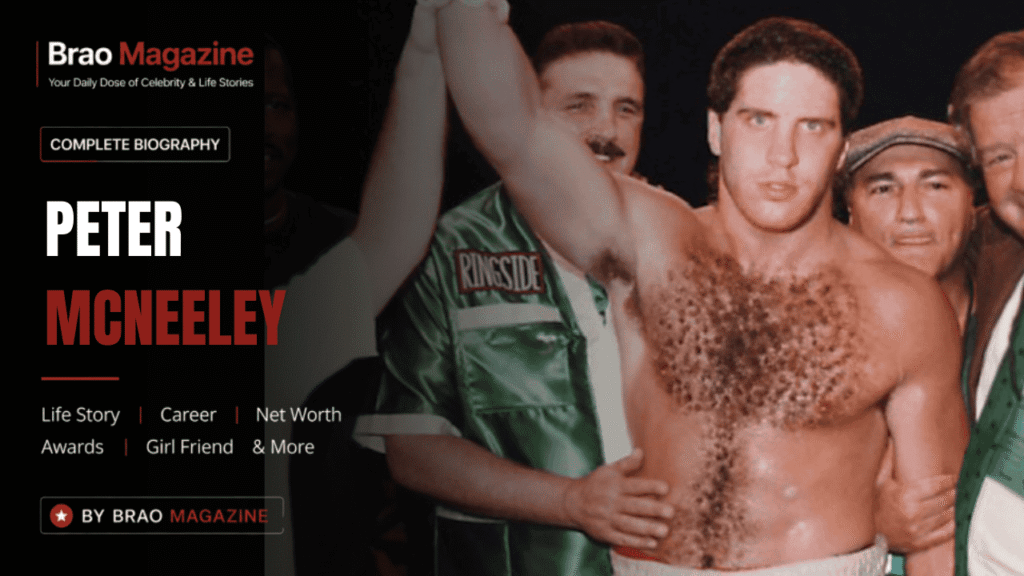
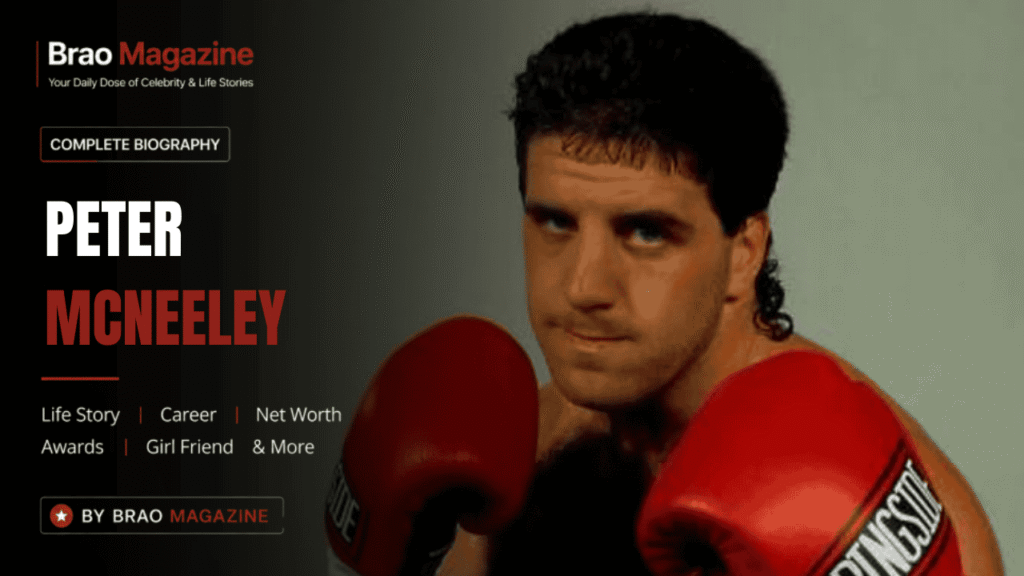
Every successful heavyweight develops a recognizable identity. For Peter McNeeley, that identity revolved around relentless aggression.
He rarely entered the ring looking to outpoint opponents over many rounds.
Instead, his strategy emphasized:
- Constant forward pressure
- Heavy combinations
- Early knockouts
- High work rate
- Physical intimidation
This entertaining style made him popular with regional boxing audiences.
Fans appreciated fighters willing to exchange punches instead of relying solely on defensive movement.
While critics sometimes questioned his defensive skills, few doubted his willingness to engage.
Amateur Development
Compared with many Olympic-level heavyweights, McNeeley’s amateur résumé was relatively modest.
Instead of spending years collecting amateur championships, he chose to transition into professional boxing fairly quickly.
That decision reflected confidence in his physical strength and punching power.
Professional boxing also offered financial opportunities that many young heavyweights found difficult to ignore.
Although skipping an extensive amateur career carries risks, McNeeley believed his aggressive style would translate effectively to the professional ranks.
Turning Professional
Peter McNeeley officially entered professional boxing in 1991, joining a heavyweight division that remained one of sports’ biggest attractions.
The division still featured legendary names, rising contenders, and tremendous public interest.
From the beginning, McNeeley approached fights with urgency.
Many of his early victories ended before the final bell.
Quick knockouts generated excitement among promoters, local fans, and television audiences looking for entertaining heavyweight prospects.
Building Momentum
Every young fighter hopes to establish credibility through consistent victories.
McNeeley accomplished exactly that during his early professional years.
He assembled an impressive winning streak while defeating opponents through aggressive offense and knockout power.
Although many early opponents were developing professionals themselves, the victories increased his visibility within American boxing circles.
Promoters recognized that McNeeley possessed qualities audiences enjoyed watching:
- Confidence
- Fearlessness
- Knockout ability
- Charisma
- A recognizable family background
Those elements made him marketable beyond his official record.
The Nickname “The Hurricane”
Nicknames often become inseparable from boxing careers.
For Peter McNeeley, “The Hurricane” reflected the way he fought.
Rather than patiently waiting for openings, he attacked immediately.
From the opening bell, he attempted to overwhelm opponents with nonstop offense.
Even when facing technically stronger fighters, McNeeley rarely abandoned his aggressive instincts.
That commitment to entertaining fights earned respect among many fans despite the risks it created.
Career Record Before Global Recognition
Before becoming internationally famous, McNeeley had already developed a respectable professional résumé.
His victories established him as a legitimate heavyweight contender on the regional circuit.
Key characteristics of his early career included:
- Numerous knockout victories
- Strong winning percentage
- Active fight schedule
- Growing popularity in New England
- Increasing media coverage
While he had not yet reached championship level, he had become one of the better-known American heavyweights outside the elite rankings.
Why Fans Connected With Peter McNeeley
Not every boxer becomes popular solely because of championships.
McNeeley’s appeal came from something different.
He represented the type of fighter who genuinely believed he could defeat anyone.
His confidence felt authentic rather than manufactured.
Whether speaking with reporters or entering the ring, he projected enthusiasm and determination.
That authenticity resonated with boxing audiences.
Even people who questioned his chances against elite opponents admired his willingness to accept difficult fights.
A Heavyweight Division Ready for a New Story
By the mid-1990s, heavyweight boxing stood at a fascinating crossroads.
Several champions competed for recognition, while public attention remained fixed on one man serving a prison sentence: Mike Tyson.
When Tyson prepared for his long-awaited return, promoters searched for an opponent capable of generating excitement while embracing the enormous spotlight.
Peter McNeeley emerged as an unexpected but compelling choice.
His fearless personality, aggressive fighting style, and gift for promotion made him an ideal figure to headline one of boxing’s most anticipated comeback events.
That single opportunity would permanently change the course of his career—and become the defining chapter in discussions about Peter McNeeley’s legacy and net worth.
On August 19, 1995, Peter McNeeley walked into one of the biggest sporting events of the decade. The venue was the MGM Grand Garden Arena in Las Vegas, and the occasion was unlike any ordinary heavyweight bout. After spending more than three years away from boxing following his imprisonment, Mike Tyson was making his long-awaited return to the ring.
The anticipation was extraordinary. Millions of fans purchased the pay-per-view broadcast, making it one of the highest-selling boxing events of its era. Tyson remained one of the most recognizable athletes in the world, and his comeback attracted attention far beyond regular boxing audiences.
McNeeley accepted the challenge knowing the odds were heavily against him. Few analysts believed he could defeat Tyson, but he never approached the fight as someone simply collecting a paycheck. In interviews before the bout, he confidently declared that he intended to attack Tyson from the opening bell.
That confidence became part of the event’s lasting legacy.

The First Few Minutes That Boxing Fans Never Forgot
When the opening bell rang, McNeeley did exactly what he had promised.
Rather than circling cautiously or trying to survive the early rounds, he rushed directly toward Tyson and threw aggressive punches. The strategy created immediate excitement inside the arena.
Tyson, however, remained one of boxing’s most explosive punchers.
Within seconds, McNeeley was knocked down for the first time. He climbed back to his feet and continued pressing forward, refusing to abandon his aggressive approach. A second knockdown followed shortly afterward.
Before the fight could continue much longer, McNeeley’s manager entered the ring to protect his fighter, resulting in a disqualification. Officially, Tyson won by disqualification in the opening round.
Although the contest lasted less than two minutes, it became one of the most replayed comeback fights in boxing history.
Why the Tyson Fight Still Defines Peter McNeeley’s Career
Professional athletes often spend years building impressive résumés, yet one event can overshadow everything that came before or after.
For Peter McNeeley, facing Mike Tyson became that defining moment.
The fight introduced him to millions of viewers worldwide. Even people who rarely followed boxing recognized his name because of Tyson’s enormously publicized return.
Decades later, documentaries, sports networks, YouTube highlight compilations, and boxing podcasts continue revisiting that night. Whenever Tyson’s comeback is discussed, McNeeley’s name almost always enters the conversation.
Ironically, losing the biggest fight of his career also made him one of the most recognizable heavyweight boxers of the 1990s.
Peter McNeeley’s Biggest Career Payday
Whenever people search for Peter McNeeley net worth, one question appears repeatedly:
How much did he earn for fighting Mike Tyson?
Public reports from the time generally estimate that McNeeley received around $500,000 for the bout. While exact contractual details have never been fully disclosed, this figure has been widely reported by sports media over the years.
For comparison, many heavyweight contenders of the period earned only a fraction of that amount in ordinary fights.
The Tyson purse represented a life-changing opportunity financially.
Still, one large payday doesn’t necessarily translate into long-term wealth. Professional athletes often face taxes, management fees, training expenses, travel costs, and other financial obligations that significantly reduce their take-home income.
That’s one reason estimates of Peter McNeeley’s overall wealth vary considerably today.
Peter McNeeley Net Worth: What Is Known?
Unlike active athletes whose endorsement deals and investments are frequently publicized, Peter McNeeley’s finances have remained largely private.
No verified financial statements or official disclosures reveal his exact assets.
Because of that, any published net worth figure should be viewed as an estimate rather than confirmed fact.
Estimated Net Worth
Most publicly available estimates place Peter McNeeley’s net worth between approximately $300,000 and $1 million.
These estimates are based on several factors:
- Professional fight purses
- Television appearances
- Boxing-related events
- Autograph signings
- Speaking engagements
- Licensing and media appearances connected to his boxing career
It’s worth stressing that none of these estimates have been confirmed by McNeeley himself.
Responsible reporting means distinguishing informed estimates from verified financial information.
Breaking Down His Possible Income Sources
While the Tyson fight remains his most famous payday, it wasn’t his only source of income.
Professional Boxing Earnings
Throughout the 1990s, McNeeley competed regularly.
Each professional bout generated purse money, although earnings varied depending on the opponent, television coverage, and promotional agreements.
Earlier regional fights paid significantly less than nationally televised contests.
Appearance Fees
Former heavyweight fighters frequently attend:
- Sports conventions
- Boxing expos
- Fan meet-and-greet events
- Charity functions
- Memorabilia signings
Recognizable athletes from memorable boxing eras often continue earning appearance income years after retirement.
McNeeley’s connection to Tyson’s historic comeback has helped maintain public interest.
Media Interviews
Whenever documentaries or sports networks revisit heavyweight boxing history, McNeeley is occasionally invited to share his perspective.
Interview appearances generally provide additional income while helping preserve his visibility among boxing fans.
Memorabilia
Autographed boxing gloves, photographs, and event memorabilia remain popular collectibles.
Although this isn’t likely to represent a major revenue stream, memorabilia contributes to long-term earning opportunities for retired athletes.
Why Estimating a Boxer’s Wealth Is Difficult
Fans sometimes assume every famous boxer becomes wealthy.
Reality is usually much more complicated.
Professional boxing lacks guaranteed salaries. Fighters earn based on negotiations, popularity, rankings, and television demand.
Expenses also consume a large percentage of earnings.
Typical costs include:
- Training camps
- Coaches
- Managers
- Promotional fees
- Travel
- Medical care
- Taxes
A headline purse can sound enormous, but the amount ultimately retained by the athlete may be considerably lower.
That context helps explain why Peter McNeeley’s reported net worth remains relatively modest despite participating in one of boxing’s biggest events.
Life After Professional Boxing
Peter McNeeley retired from professional competition in the early 2000s.
Retirement didn’t erase public interest.
Instead, he became something of a nostalgic figure among boxing enthusiasts.
Fans frequently revisit heavyweight history, and McNeeley’s willingness to discuss his career openly has helped preserve his reputation.
Unlike some retired fighters who disappear from public view, he has remained connected to boxing through interviews and special appearances.
Peter McNeeley’s Personal Life
Compared with many modern sports personalities, Peter McNeeley has maintained a relatively private personal life.
Most public attention has focused on his boxing career rather than his family relationships.
He has generally avoided constant celebrity exposure and social media-driven publicity.
That privacy has contributed to the limited availability of verified information regarding his personal finances and daily life.
Responsible reporting means acknowledging those gaps rather than filling them with speculation.
Is Peter McNeeley Active on Social Media?
One reason fans continue searching for updates is the absence of a major social media presence.
Unlike many retired athletes who regularly post on Instagram, X, or Facebook, McNeeley has maintained a relatively low online profile.
As a result, much of the available information comes from:
- Boxing interviews
- Documentary appearances
- Archived sports coverage
- Fan communities
- Historical boxing publications
That limited online activity has only added to the curiosity surrounding his life after boxing.
Peter McNeeley Career Timeline
| Year | Career Milestone |
|---|---|
| 1968 | Born in Medfield, Massachusetts |
| 1991 | Turned professional as a heavyweight boxer |
| 1991–1994 | Built an impressive early winning record with multiple knockout victories |
| 1995 | Selected to face Mike Tyson in Tyson’s highly anticipated comeback fight |
| 1995 | Received worldwide recognition following the Tyson bout |
| Late 1990s | Continued competing professionally against various heavyweight opponents |
| 2001 | Retired from professional boxing |
| 2000s–Present | Appeared in interviews, documentaries, boxing events, and fan conventions |
Career Statistics Snapshot
While records may vary slightly across historical databases, Peter McNeeley’s professional career is generally summarized as follows:
| Category | Information |
|---|---|
| Professional Career | 1991–2001 |
| Division | Heavyweight |
| Fighting Style | Aggressive Pressure Fighter |
| Nickname | The Hurricane |
| Most Famous Opponent | Mike Tyson |
| Most Recognized Event | Tyson’s 1995 comeback fight |
His record reflects a career built around activity and entertainment. McNeeley wasn’t known as a defensive technician. Instead, he earned a reputation for bringing action into the ring from the opening bell.
The Financial Legacy of a Memorable Career
When discussing Peter McNeeley’s finances, it’s easy to focus solely on estimated dollar amounts. Yet his career illustrates another kind of value: lasting recognition.
Many boxers compile respectable records but fade from public memory after retirement. McNeeley, by contrast, remains part of heavyweight boxing history because he played a role in one of the sport’s most iconic comeback events.
That enduring recognition continues to create opportunities through interviews, memorabilia, and appearances—benefits that extend beyond prize money alone.
Why Is “Peter McNeeley Net Worth” Trending?
Search interest in Peter McNeeley net worth has remained surprisingly consistent over the years, and it often spikes when Mike Tyson returns to the spotlight. Whether Tyson appears in a documentary, gives a high-profile interview, or competes in an exhibition match, fans naturally revisit the careers of the fighters who helped shape his legacy.
Streaming platforms have also played a role. Classic heavyweight fights are now easier to access than ever, introducing McNeeley to younger audiences who weren’t around when he stepped into the ring in 1995. After watching Tyson’s comeback fight, many viewers head straight to search engines with questions such as:
- What happened to Peter McNeeley?
- How much money did he make fighting Tyson?
- What is Peter McNeeley’s net worth today?
- Is Peter McNeeley still involved in boxing?
- Where is Peter McNeeley now?
These searches reflect more than simple curiosity. They show how memorable sporting moments continue to resonate long after the final bell.
Peter McNeeley’s Place in Boxing History
Not every boxer needs a world championship belt to leave a lasting mark on the sport.
Peter McNeeley occupies a unique place in heavyweight history because he became the first opponent Mike Tyson faced after returning from prison. That event was watched by millions and generated enormous media attention, making McNeeley part of one of boxing’s most significant modern storylines.
His willingness to accept the challenge also reinforced his reputation as a fearless competitor. While many analysts predicted Tyson would win comfortably, McNeeley never entered the fight with a defeatist mindset. His aggressive opening attack, though brief, remains one of the most replayed moments from Tyson’s comeback.
In that sense, McNeeley’s legacy isn’t built solely on wins and losses. It’s built on his readiness to step into the spotlight when the entire sporting world was watching.
Public Perception Over the Years
Athletes are often remembered in different ways as time passes.
Immediately after the Tyson fight, many fans viewed McNeeley primarily as Tyson’s comeback opponent. Over time, however, public opinion became more balanced.
Today, boxing enthusiasts often recognize him for:
- His entertaining fighting style.
- His willingness to take difficult fights.
- His connection to a respected boxing family.
- His role in one of boxing’s biggest pay-per-view events.
- His openness when discussing his career in interviews.
That shift reflects a broader appreciation for the challenges professional fighters face throughout their careers.
The Lasting Impact of the Tyson Fight
Some sporting events fade into history. Others become permanent reference points.
Tyson’s return to boxing belongs firmly in the second category, and Peter McNeeley’s name will always be attached to that chapter.
The bout helped launch a new era of heavyweight boxing while reminding audiences of Tyson’s extraordinary drawing power. For McNeeley, it provided global recognition that extended well beyond his active career.
Even people with only a casual interest in boxing often remember the fight because it marked the return of one of the sport’s biggest stars.
Lessons From Peter McNeeley’s Career
Looking back at McNeeley’s journey offers several insights into the realities of professional sports.
First, opportunity can arrive unexpectedly. McNeeley spent years building his career before receiving the chance to face the most famous heavyweight in the world.
Second, visibility doesn’t always equal lasting wealth. A single high-profile payday can transform a career, but long-term financial security depends on many factors, including financial planning, career longevity, and post-retirement opportunities.
Finally, legacy isn’t measured solely by championships. Courage, determination, and memorable performances often leave a lasting impression on fans.
What Could the Future Hold?
Although Peter McNeeley has been retired from professional boxing for many years, interest in his story is unlikely to disappear.
As documentaries, streaming services, and sports podcasts continue revisiting the heavyweight division of the 1990s, his career remains relevant. Boxing historians frequently reference Tyson’s comeback when discussing the evolution of the sport, ensuring McNeeley’s name continues to appear in conversations about one of boxing’s defining eras.
He may also continue participating in:
- Boxing conventions.
- Fan autograph sessions.
- Documentary interviews.
- Podcast appearances.
- Sports history projects.
These opportunities allow retired athletes to stay connected with fans while preserving their place in sporting history.
Peter McNeeley’s Enduring Legacy
Peter McNeeley’s professional record tells only part of the story.
His greatest contribution to boxing may be his willingness to embrace one of the toughest assignments imaginable. Stepping into the ring against a returning Mike Tyson required confidence, resilience, and a genuine belief in his own abilities.
Although he never captured a world heavyweight title, he achieved something many fighters never do—he became part of a moment that generations of fans still remember.
That enduring recognition explains why searches for Peter McNeeley net worth continue decades after his retirement. People aren’t simply interested in a financial figure; they’re revisiting the remarkable career of a heavyweight who became part of boxing history.
Frequently Asked Questions About Peter McNeeley Net Worth
1. What is Peter McNeeley’s estimated net worth?
While Peter McNeeley has never publicly confirmed his finances, most publicly available estimates place his net worth between $300,000 and $1 million. These figures are estimates rather than verified financial disclosures.
2. How did Peter McNeeley make his money?
His primary sources of income include professional boxing purses, appearance fees, autograph signings, interviews, and participation in boxing-related events after retirement.
3. How much did Peter McNeeley earn for fighting Mike Tyson?
Widely reported estimates suggest McNeeley earned around $500,000 for facing Mike Tyson in 1995. The exact contractual amount has not been officially confirmed.
4. Is Peter McNeeley still alive?
Yes. As of 2026, Peter McNeeley is alive and occasionally appears in boxing interviews, documentaries, and fan events.
5. How old is Peter McNeeley?
Peter McNeeley was born on October 6, 1968, making him 57 years old in 2026.
6. Why is Peter McNeeley famous?
He is best known for fighting Mike Tyson in Tyson’s highly anticipated comeback bout on August 19, 1995. The event became one of the most memorable moments in modern heavyweight boxing.
7. Did Peter McNeeley win any major championships?
No. Although he enjoyed success during his professional career, McNeeley did not win a world heavyweight championship.
8. Is Peter McNeeley active on social media?
He maintains a relatively low public profile and is not known for having a highly active presence on major social media platforms.
9. What was Peter McNeeley’s nickname?
Throughout his boxing career, he was known as “The Hurricane”, a nickname that reflected his aggressive, forward-moving fighting style.
10. Why do people keep searching for Peter McNeeley net worth?
Interest often increases whenever Mike Tyson appears in the news, documentaries, or exhibition events. Fans revisit Tyson’s comeback fight and become curious about McNeeley’s career, earnings, and life after boxing.
Final Thoughts on Peter McNeeley Net Worth
Peter McNeeley’s career reminds us that sports history isn’t written only by champions. Sometimes, it’s shaped by athletes who seize extraordinary opportunities and leave behind unforgettable moments.
His estimated net worth may not rival that of heavyweight legends who collected multiple world titles, but his place in boxing history is secure. The 1995 showdown with Mike Tyson transformed him into a recognizable figure around the world, and decades later, fans are still eager to learn more about the man who stood across the ring during one of the sport’s most anticipated comebacks.
Behind every search for Peter McNeeley net worth is a deeper story—one about family legacy, determination, resilience, and the unpredictable path of a professional athlete. Those qualities continue to make his journey worth revisiting, proving that lasting recognition often extends far beyond financial success.